
Part 1 — Why do I feel like I’ve got nothing left?
“I used to love meeting friends. Now I find myself looking for reasons to stay at home.”
“I enjoy being with people… but afterwards I feel completely drained.”
“Nothing’s wrong. I just don’t seem to have the energy I used to.”
If you’ve ever found yourself thinking those things, you’re certainly not alone.
For a long time, I thought I was becoming less sociable.
The truth was something quite different.
I wasn’t running out of enthusiasm.
I was running out of energy.
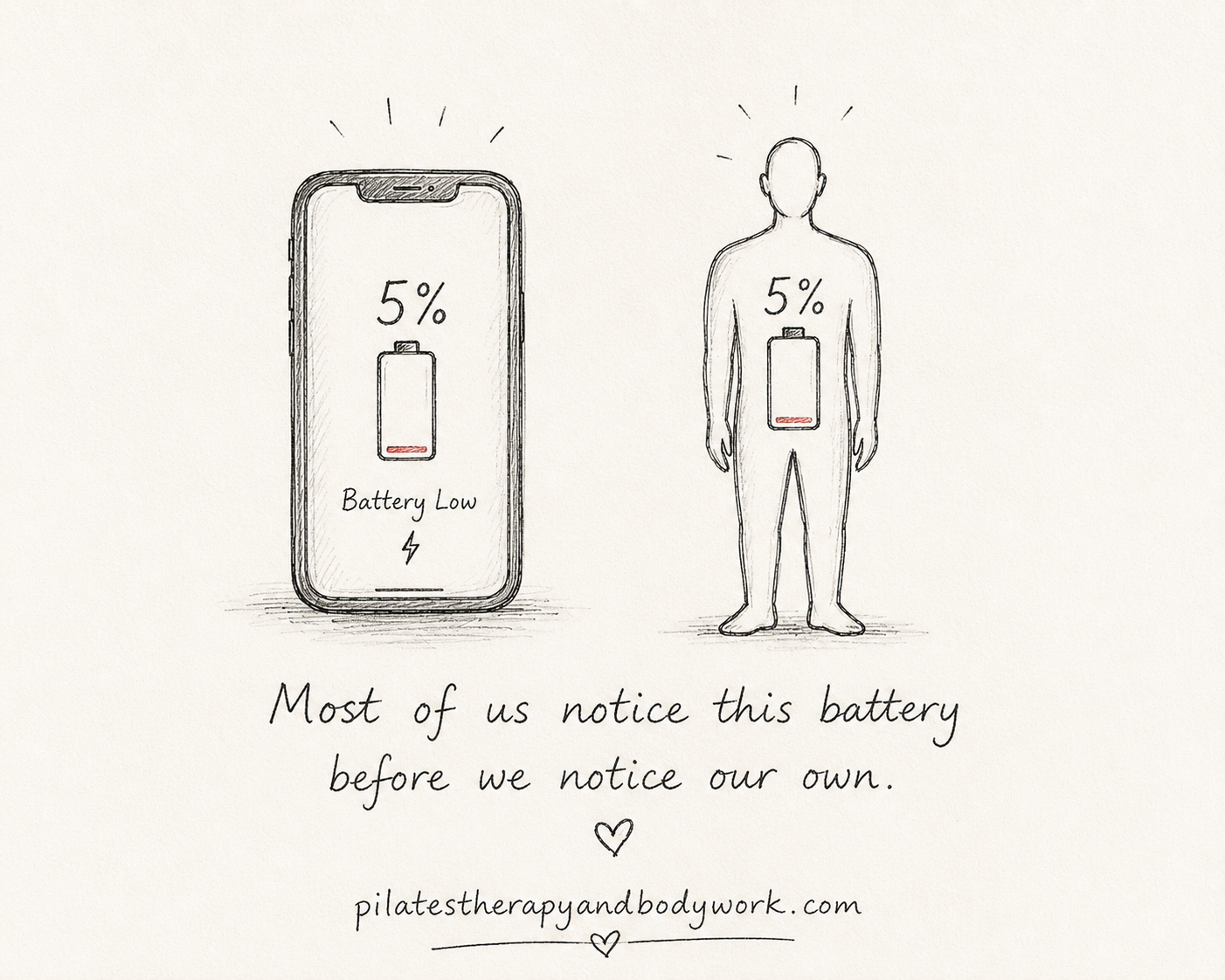
We notice our phone battery before we notice our own.
When your phone reaches 20%, it gives you a warning.
At 10%, you start looking for a charger.
At 1%, you’re hoping it lasts long enough to send one final message.
Our bodies are often much less obvious.
Instead of flashing a warning light, they whisper.
You become quieter.
You stop replying to messages.
You cancel plans.
Little things start to feel like hard work.
You tell yourself you’ll feel better tomorrow.
Sometimes you do.
Sometimes you don’t.
It’s not weakness. It’s physiology.
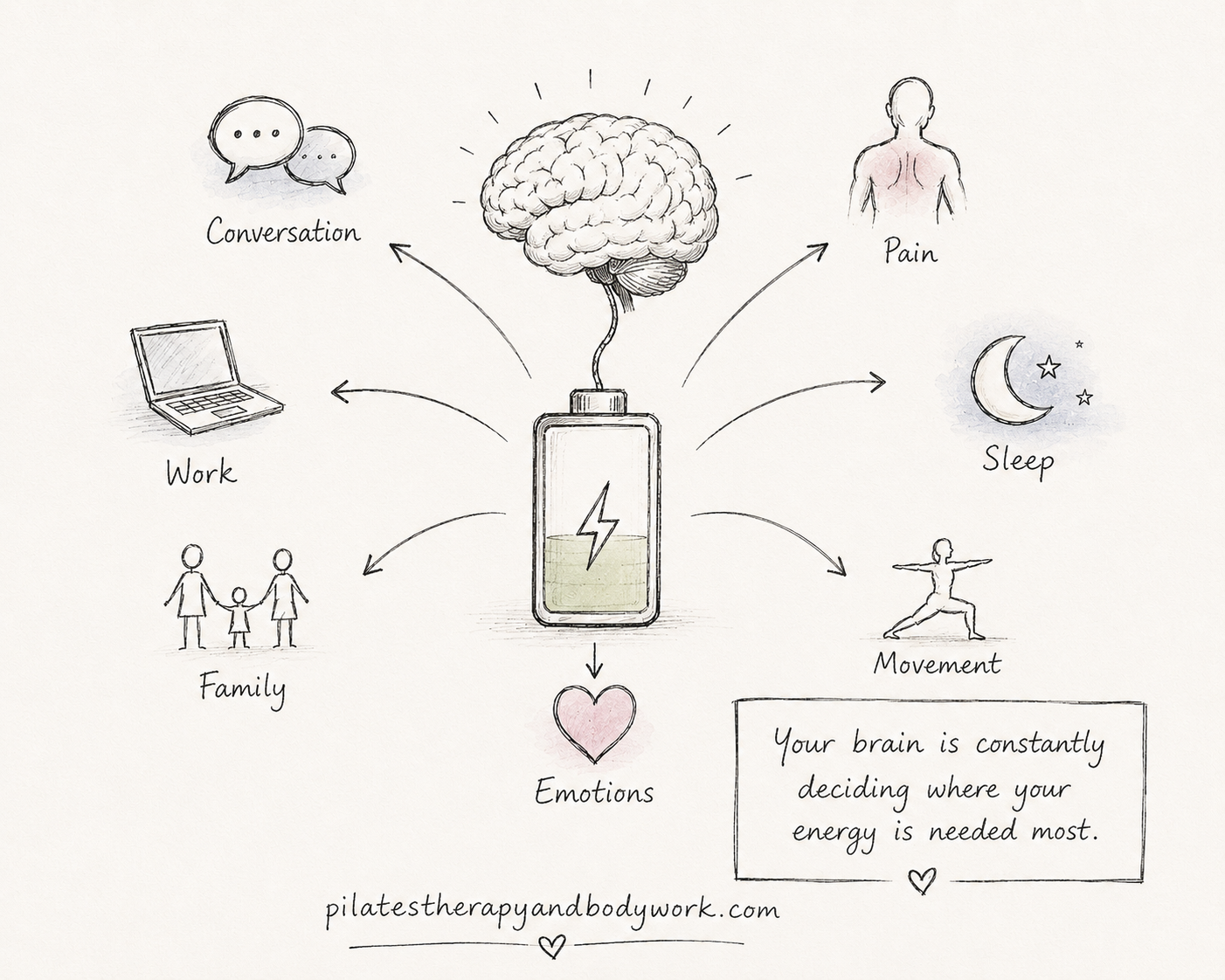
Our brains are remarkable organs, but they’re expensive to run.
Every conversation asks your brain to process facial expressions, body language, tone of voice, memories, emotions, attention and decision making—all while your body is quietly managing breathing, posture, balance, circulation and countless other jobs in the background.
For some people this happens almost effortlessly.
For others—particularly during times of stress, illness, menopause, cancer recovery, chronic pain or caring for someone else—it requires far more energy than people realise.
That doesn’t mean you’re broken.
It means your body is prioritising where its energy goes.
And sometimes socialising falls lower down the list.
Clinical Pearl
One of the biggest misconceptions I hear is:
“If I stay home, I must be becoming antisocial.”
Often, that’s not what’s happening at all.
Fatigue changes how the brain manages attention, emotions and decision making. Research consistently shows that physical and mental fatigue can reduce our desire for social interaction—not because we don’t care about people, but because our brain is trying to conserve energy.
Understanding that difference can remove a huge amount of guilt.
A Fi Field Note
One of the biggest lessons I’ve learned over the past year is that my social battery doesn’t suddenly become empty. “Actually it took a social catch up with friends to recognise my battery was flat.” They saw I didn’t have the energy. I had to think about it for a bit and write myself some notes. My energy had been consumed in work and family illness.”
It gives me little clues first.
I become less chatty.
I start looking forward to going home.
Small decisions feel harder.
I know now that these aren’t signs of failure.
They’re simply early warning lights.
And if I ignore them, eventually my battery runs flat.
Learning to notice those quieter signals has probably been one of the most useful things I’ve ever done.
Fi’s Recharge Point
This week’s recharge isn’t about changing anything.
It’s simply about becoming curious.
The next time you’re with people, ask yourself:
“How full is my battery right now?”
Not to judge yourself.
Just to notice.
Awareness nearly always comes before change.
If our phones warn us before they run out of battery…
Why don’t we notice our own warning signs?
In Part 2 we’ll explore how we can slowly recharge before we’re running on 1%—using movement, food, nature, music, boundaries, community and a few surprisingly powerful habits that don’t take very much time at all.