
Hands on Therapies and Massage
Hands-On Therapy
Supporting the Body Through Skilled Therapeutic Touch
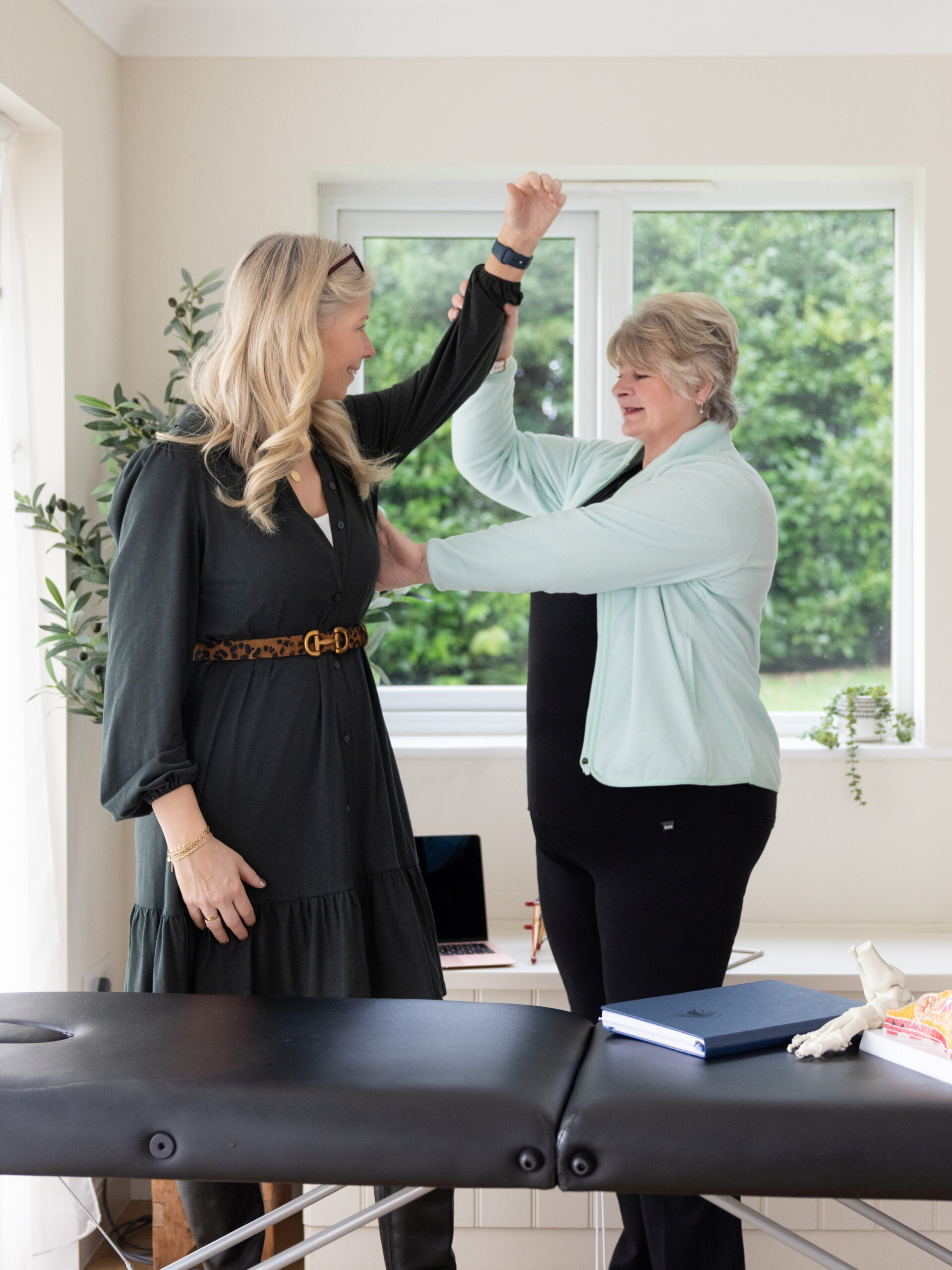
Hands-on therapy is exactly what it sounds like — skilled therapeutic touch used to support the body’s natural recovery and regulation.
Many people arrive here because something in their body doesn’t feel quite right. It might be swelling that won’t settle, scar tissue that feels tight, persistent discomfort, or simply the feeling that movement is no longer as easy as it used to be.
At times like these, the body often needs more than exercise or stretching. It may benefit from gentle, skilled touch that helps tissues soften, fluids move, and the nervous system settle.
Why Touch Matters
The body works as a connected system of fluid, connective tissue and movement.
After surgery, illness, injury or periods of stress, these systems can lose their natural balance. Fluid may build up, tissues can become tight, and the body may start protecting itself by limiting movement.
Hands-on therapy can help to support this process by:
• encouraging lymphatic and fluid movement
• softening and mobilising scar tissue
• reducing swelling and congestion
• calming the nervous system
• improving comfort and mobility
Many people experience treatments as deeply relaxing, but there is also a strong foundation of anatomical and clinical knowledge guiding every session.
My Approach
I have spent over 28 years working in the health, movement and bodywork field, and my hands-on work draws on training in several complementary approaches, including:
• Manual Lymphatic Drainage
• Oncology Scar Therapy
• Reflexology
• Anatomy Trains Structural Integration
• Oncology Massage
• Clinical Pilates and movement rehabilitation
This combination allows me to look at the body as a whole system, rather than focusing on one isolated symptom.
Sometimes the aim is to reduce swelling.
Sometimes it is to support recovery after surgery.
And sometimes it is simply helping someone feel more comfortable in their body again.
Treatments Available
Within my practice, hands-on therapy may include:
Manual Lymphatic Drainage (MLD)
Gentle, specialised techniques designed to support lymphatic flow and help manage swelling. ➡️ See more
Oncology Scar Therapy
A specialised approach to improving the mobility and comfort of scar tissue following surgery or cancer treatment. ➡️ See more
Reflexology
A therapeutic foot treatment that can support relaxation, circulation and overall wellbeing. ➡️ See More
Soft tissue bodywork
Techniques that help release tension and improve tissue mobility.
Structural Integration – Fascial bodywork to improve posture, ease deep tension and support whole-body alignment ➡️ See more
Oncology Massage – Gentle, adaptive touch to support comfort, sleep and emotional wellbeing during and after treatment ➡️ See more
Prescriptive Massage – Therapeutic massage tailored to your body and needs. Sport, deep tissue, myofascial release, relaxing, menopause, cupping ➡️ See more
Indian Head Massage – Calming, nurturing head treatment. Soothe away head, neck and shoulder tension ➡️ Read more
Sessions are always tailored to the individual, and treatments can sometimes be combined depending on what the body needs.
Who This May Help
Hands-on therapy may be particularly helpful for people experiencing:
• swelling or fluid retention
• recovery after surgery
• scar tightness or discomfort
• fatigue or nervous system overload
• lymphatic congestion
• long-standing tension patterns
It can also provide valuable support for people recovering from cancer treatment or surgery, where the body often benefits from a slower, more considered approach.
A Gentle First Step
If you’re not quite sure which treatment might be right for you, that’s completely normal.
You are always welcome to get in touch and we can talk through what is going on and whether hands-on therapy may be helpful.
Sometimes the first step is simply understanding what the body is asking for.