Steady on Your Feet: How Foot Care Supports Balance in Older Adults and Cancer Recovery
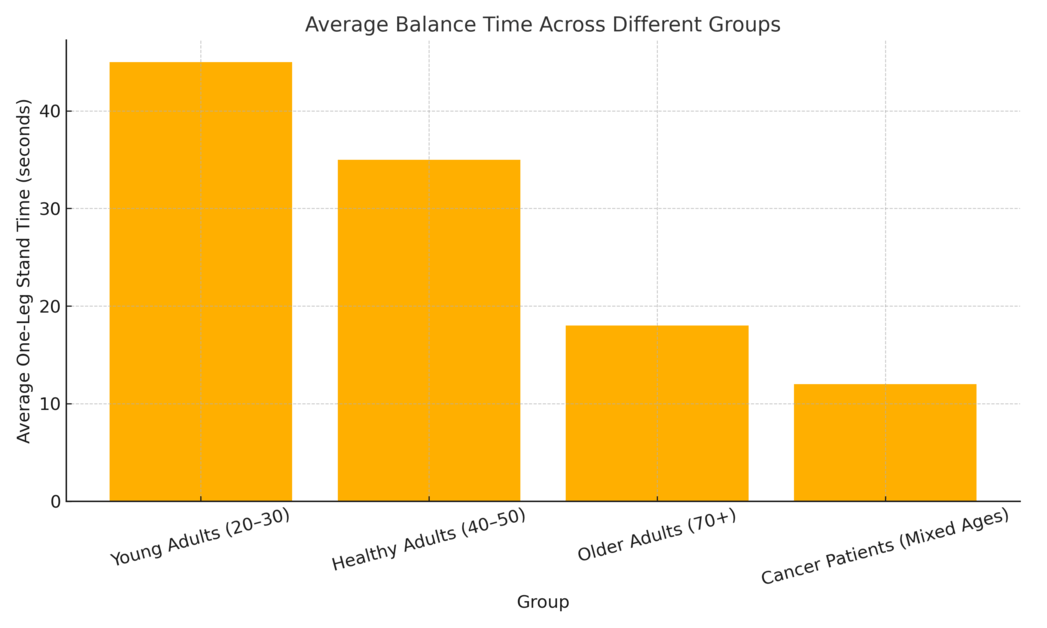
Why do so many people lose their balance as they get older?
It’s a question I hear a lot in clinic.
People often assume balance problems come from weak legs or ageing muscles. But one of the biggest factors sits somewhere we rarely think about…
our feet.
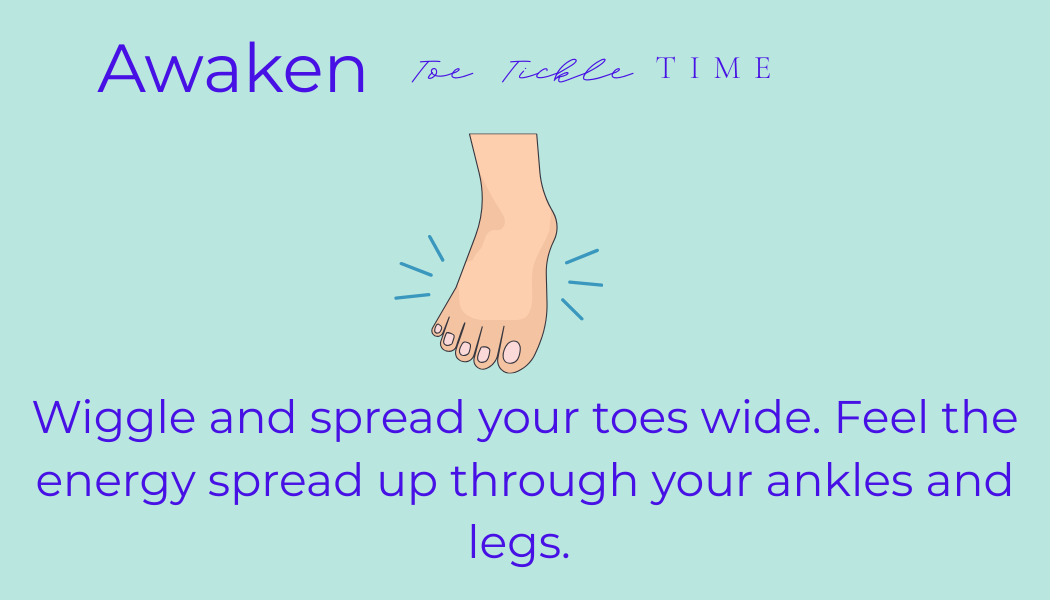
The feet are not just structures that hold us up. They are incredibly sensitive communication centres that constantly send information to the brain about pressure, movement and where we are in space.
When this communication becomes less clear, balance can start to suffer.
Anatomy Nugget: The Feet Are Packed With Sensory Receptors
The soles of the feet contain thousands of mechanoreceptors — specialised nerve endings that detect:
-
pressure
-
vibration
-
stretch
-
movement
These receptors constantly feed information to the brain so we know whether we are:
-
standing evenly
-
leaning forward
-
shifting weight
-
walking on uneven ground
This system is part of proprioception, the body’s ability to sense position and movement.
As we age, these receptors can become less responsive. Reduced sensation in the feet means the brain receives less accurate information about balance.
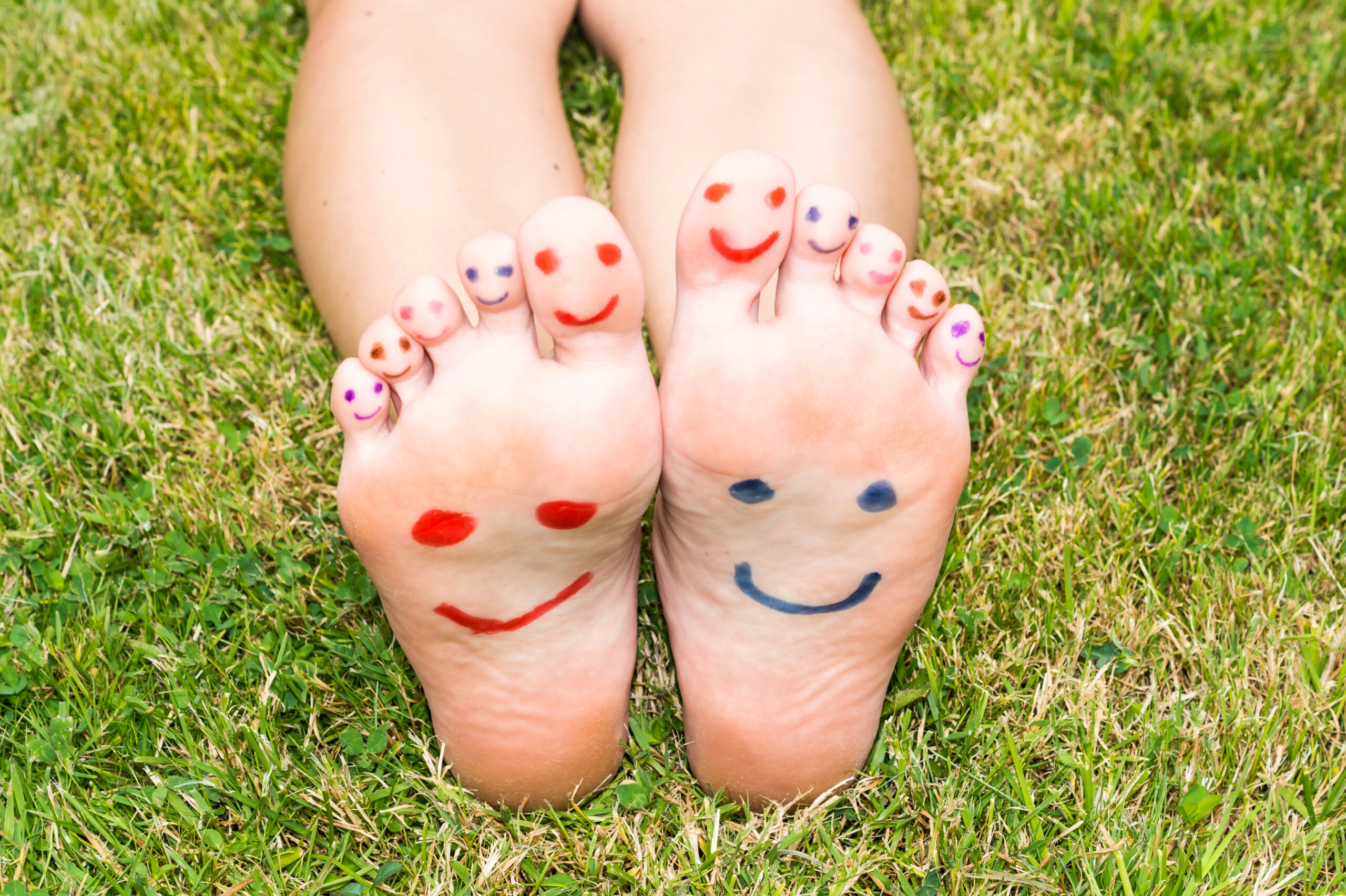
Why Feet Matter More Than You Think
As we age– or recover from serious illness like cancer– our relationship with the ground subtly shifts. Tasks like getting up from a chair, walking on uneven surfaces, or turning while standing become more challenging. This can be due not only to muscle weakness or joint stiffness but also because our sensory system isn’t receiving the same quality of information from our feet.
The Feet-Brain-Balance Connection
Mechanoreceptors in the feet are essential to something called proprioception– our ability to sense where our body is in space. When these signals are clear and strong, the brain can adjust muscle activity in real-time, keeping us steady and reactive to changes underfoot.
But with age, these receptors can become less responsive, especially if circulation is reduced, mobility is limited, or neuropathy (often linked to diabetes or chemotherapy) is present.
The good news? These receptors can be stimulated and reawakened.
Research Insight: Feet and Fall Risk
Falls are one of the most common health risks for older adults.
According to the NHS and UK fall prevention research:
-
Around one in three adults over 65 experience a fall each year.
-
Foot pain, poor sensation and reduced foot strength significantly increase fall risk.
Research has also shown that improving foot strength and sensory stimulation can help improve stability and confidence when walking.
You can find information from the NHS here:
NHS fall prevention guidance
Fun Body Fact
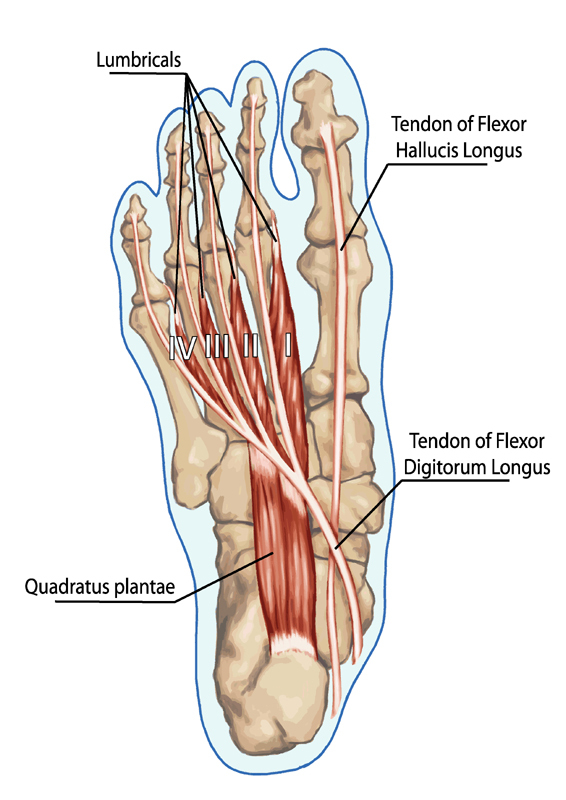
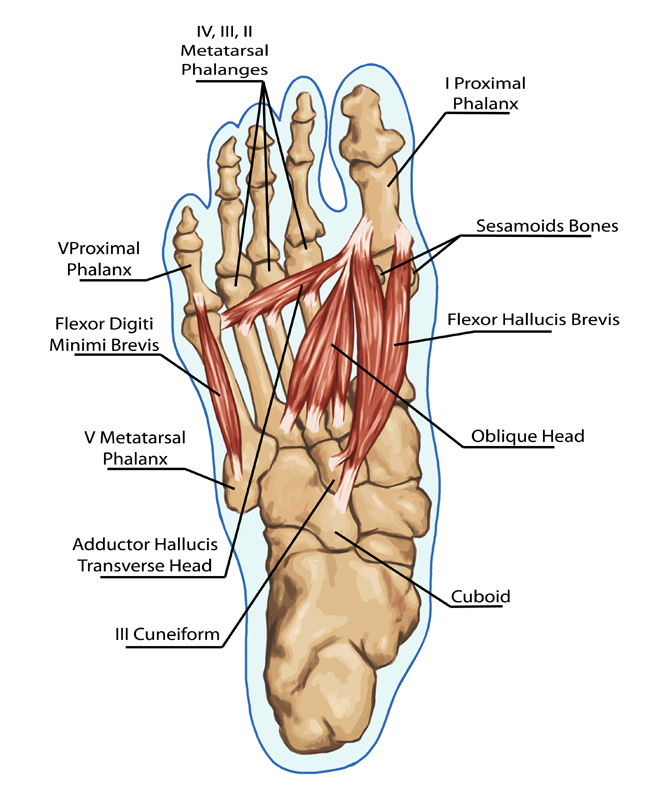
The human foot contains 26 bones, 33 joints and over 100 muscles, tendons and ligaments.
That’s almost a quarter of the bones in the entire body sitting in two small structures that we often squeeze into shoes all day.
Why Foot Sensation Changes
Several factors can reduce foot sensitivity over time:
-
ageing
-
reduced activity
-
diabetes
-
peripheral neuropathy
-
certain medications
-
cancer treatments such as chemotherapy
When nerve signals from the feet become less clear, the brain has to work harder to keep us balanced.
This is why many people begin to feel less confident walking, particularly on uneven ground.
Where Reflexology Can Help
One of the reasons I love reflexology is that it gently stimulates the sensory system in the feet.
The treatment involves slow, rhythmic pressure across different areas of the foot, which can:
-
stimulate nerve endings
-
increase awareness of the feet
-
encourage relaxation of the nervous system
-
improve circulation
For some people this helps them reconnect with their feet again, particularly if sensation has reduced through illness, stress or inactivity.
You can read more about reflexology here:
A Simple Self-Help Tip
You can stimulate the feet at home with a very simple exercise.
Try this:
-
Stand or sit with a soft ball under one foot.
-
Slowly roll the ball from heel to toes.
-
Explore different pressures and directions.
-
Spend around one minute on each foot.
This gentle stimulation can wake up sensory receptors and improve awareness of the feet.
A Wider View of Balance
Balance is never just about one thing.
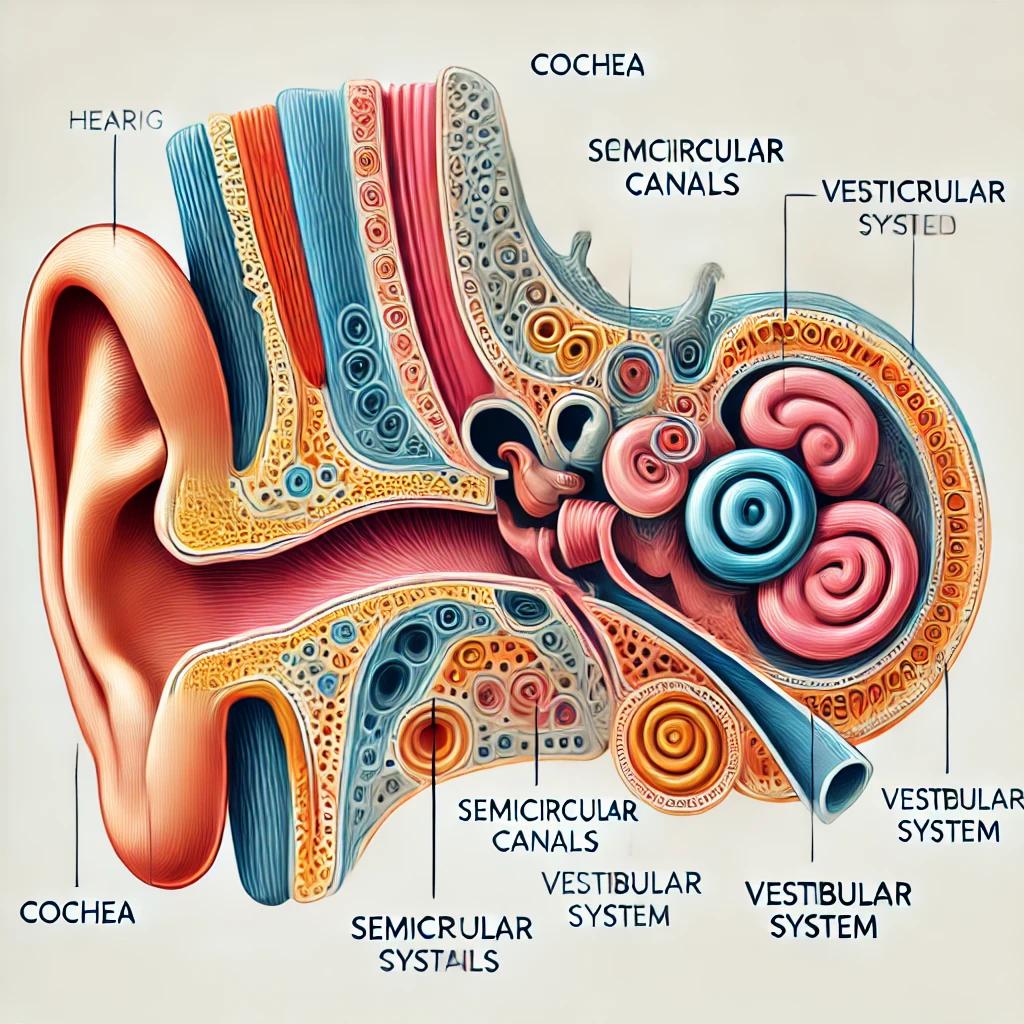
It involves a combination of systems working together:
-
sensory receptors in the feet
-
vision
-
muscle strength
-
coordination
-
nervous system responses
When these systems work together well, movement feels effortless.
When one part becomes less responsive — such as sensation in the feet — the body may feel less steady.
A Note for Health Professionals
For colleagues working with older adults, cancer recovery or neurological conditions, foot stimulation and sensory work can be a valuable addition to rehabilitation programmes.
Reflexology and simple sensory exercises can complement:
-
physiotherapy
-
strength and balance training
-
oncology rehabilitation
-
neuropathy support programmes
Helping people reconnect with their feet often improves both confidence and movement quality.
The Bigger Picture
One of the things I see regularly is that people stop trusting their bodies when balance becomes uncertain.
Reconnecting with the feet is often a gentle way to rebuild that trust.
Sometimes something as simple as waking up the sensory system in the feet can make walking feel more confident again.
Curious About Reflexology?
If you are experiencing reduced sensation in your feet, balance concerns, neuropathy or simply feel your body needs a gentle reset, reflexology may help.
Sessions are available in Clacton-on-Sea and Bury St Edmunds, supporting clients across Essex and Suffolk, particularly those navigating recovery after illness, cancer treatment or surgery.