
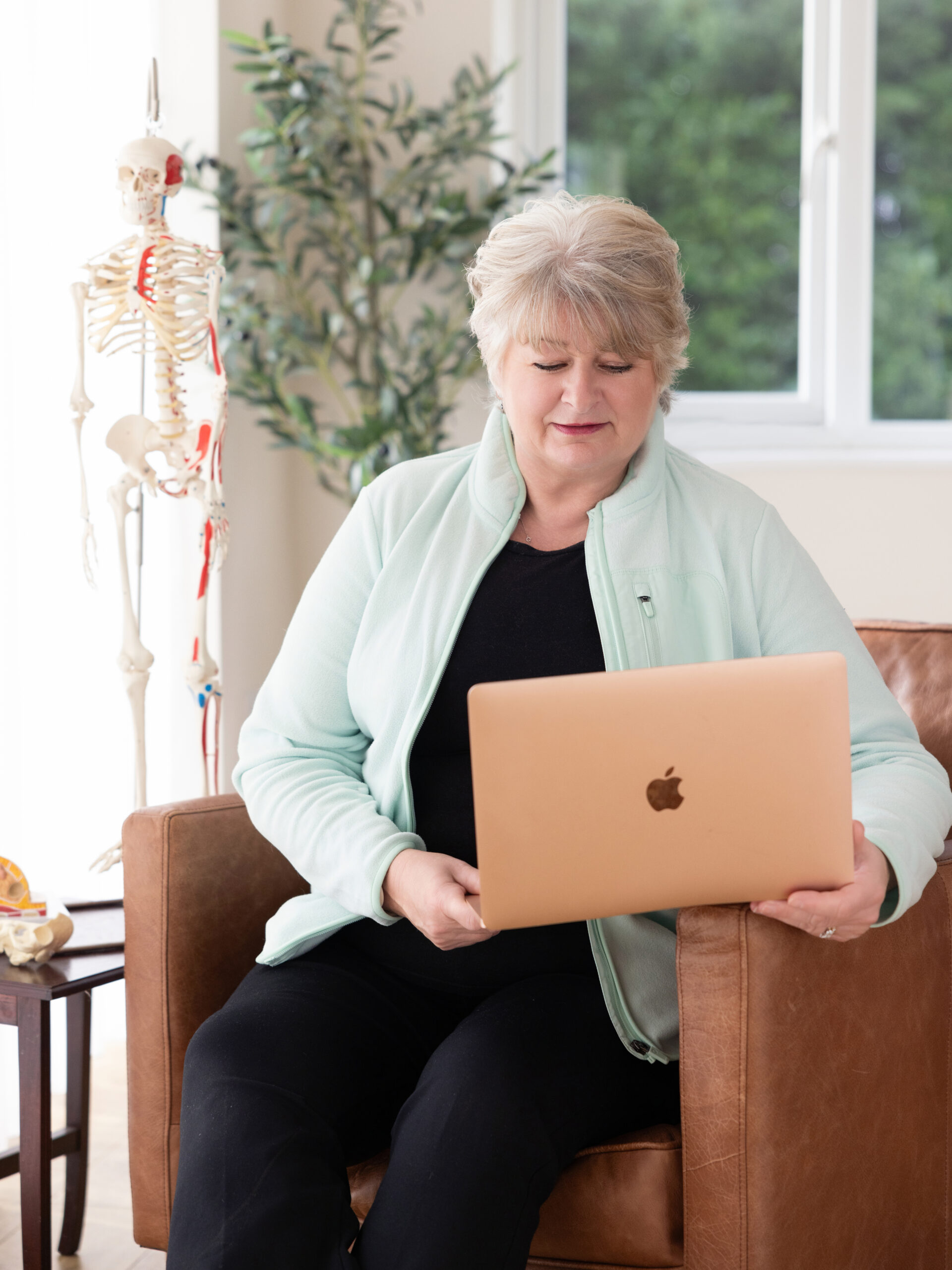
And Recovering Well Afterwards.
How lymphatic drainage, scar therapy and movement can support recovery
When we think about surgery, most of the focus quite understandably goes on:
• the procedure itself
• the surgeon
• the hospital
• and the outcome we’re hoping for.
People often spend weeks preparing for the operation.
But very few people think about something equally important:
How their body will recover afterwards.
As someone who works with the lymphatic system, scar tissue and rehabilitation movement, I often meet people after surgery, when swelling, tightness or discomfort has already become frustrating.
And quite often the conversation starts with:
“I wish I had known I could prepare my body beforehand.”
The truth is — in many cases, you can.
see article about lymphatic massage in cosmetic procedures
What happens to your lymphatic system during surgery?
Any surgical procedure — whether medically necessary or elective — involves some degree of:
• tissue trauma
• vascular disruption
• inflammatory response.
And because the lymphatic system sits within your connective tissue network, it is often affected too.
Research has shown that disruption to superficial lymphatic pathways during procedures such as liposuction or abdominoplasty can increase the likelihood of:
• lymphatic stasis
• swelling (oedema)
• tissue fibrosis
• and discomfort during recovery.
This isn’t a complication.
It’s a normal physiological part of healing.
But for some people swelling and heaviness can persist longer than expected — particularly if fluid clearance is slower or tissue mobility becomes restricted.
How long does swelling last after surgery?
This is one of the most common questions people ask during recovery.
The honest answer is: it depends on the procedure and the individual.
For many people swelling is most noticeable during the first 1–2 weeks after surgery as the body responds to inflammation and tissue trauma.
However, milder swelling can sometimes last several weeks or even a few months while the lymphatic system gradually clears fluid and tissues remodel.
Factors that influence recovery include:
• the type of surgery
• how the lymphatic vessels were affected
• overall circulation and movement
• scar tissue formation
• general health and healing capacity.
This is why many surgeons recommend supportive strategies such as:
• compression garments
• early gentle movement
• breathing exercises
• and sometimes lymphatic drainage therapy.
Understanding that swelling is a normal part of healing often helps people approach recovery with more patience and less worry.
What helps reduce swelling after surgery?
Swelling after surgery is a normal part of healing, but it can be supported with gentle strategies such as movement, breathing exercises, compression garments and sometimes manual lymphatic drainage. These approaches help encourage circulation and lymphatic flow while the body gradually clears fluid and repairs tissues.
Where does Manual Lymphatic Drainage (MLD) fit?
Manual Lymphatic Drainage (MLD) is one of the conservative therapies sometimes used within post-operative rehabilitation.
Clinical studies have shown that MLD — particularly when combined with physiotherapy and rehabilitation — may help reduce:
• swelling
• tissue fibrosis
• discomfort during recovery from procedures such as liposuction or abdominal surgery.
It’s important to say honestly:
MLD is not a miracle cure.
But for some people it can be a helpful piece of the recovery puzzle by supporting:
• fluid movement
• tissue comfort
• scar mobility
• circulation.
In clinical lymphoedema care, MLD is often used as part of Complete Decongestive Therapy, which combines manual therapy, compression, exercise and skin care.
This is one reason why specialist training matters when working with swelling and lymphatic conditions.
Why specialist training matters when working with swelling
Manual lymphatic drainage is often mentioned online in relation to wellness treatments or beauty therapies.
But when swelling is linked to surgery, injury or medical conditions, the lymphatic system needs to be approached carefully.
Specialist lymphatic training focuses on understanding:
• lymphatic anatomy and drainage pathways
• how fluid moves through the tissues
• how surgery may affect lymph vessels
• when treatment is helpful — and when medical referral is needed.
Clinical MLD methods, such as those taught through the Dr. Vodder Academy, involve detailed training in these areas and are widely used in lymphoedema management.
The techniques themselves are also very specific. MLD uses gentle, rhythmic movements designed to support lymphatic flow rather than deep pressure.
Because swelling can sometimes be connected to underlying health conditions, it’s important that treatments are carried out by practitioners who understand both the lymphatic system and the wider picture of recovery.
Why preparation before surgery can help recovery
This is something people are often surprised by.
Many of the strategies that support recovery can actually begin before surgery happens.
Think of it a bit like preparing the soil before planting.
Preparation may include:
• supporting lymphatic flow
• improving breathing mechanics
• improving tissue mobility
• calming the nervous system.
One of the most powerful tools is breathing.
Your diaphragm acts like a natural pump for the lymphatic system, helping move fluid through the thoracic duct and back into circulation.
Learning simple breathing strategies before surgery often makes them easier to use during recovery — when swelling, fatigue and discomfort can make movement feel harder.
Scar tissue is part of healing — but it shouldn’t restrict you
Scars are not just skin-deep.
This is something women notice after abdominal surgery such as caesarean section with, where the scar can affect surrounding connective tissues and abdominal wall – read a full blog on c-section recovery here (In England, NHS data shows that around 45% or births now involve a caesarean section). Many women are told their scar will “fade with time”, but the deeper connective tissues underneath can still influence how the abdomen and pelvic floor work together.
They involve complex changes including:
• collagen remodelling
• connective tissue adaptation
• altered glide between tissue layers
• sometimes adhesion between fascia and surrounding structures.
Over time this can influence:
• movement
• circulation
• lymphatic flow
• posture and joint mechanics.
Research looking at physical scar management techniques has shown improvements in:
• scar thickness
• tissue pliability
• pain
• and movement comfort.
Gentle scar therapy — introduced at the appropriate stage of healing — may help restore:
• tissue glide
• comfort
• and movement.
Movement matters more than most people realise
One of the biggest challenges after surgery is finding the balance between:
doing too much too soon
and
doing too little.
Movement plays an important role in recovery because muscle activity helps stimulate circulation and lymphatic flow.
Even simple things like:
• breathing exercises
• walking
• gentle mobility work
• guided rehabilitation exercises
can support fluid movement and tissue recovery.
This is where therapeutic movement approaches such as clinical Pilates can help people gradually rebuild confidence in their bodies again.
Support after cosmetic surgery
In recent years there has been a steady rise in cosmetic procedures.
Data from the British Association of Aesthetic Plastic Surgeons shows thousands of procedures such as breast surgery, liposuction and abdominoplasty are carried out in the UK each year.
While these procedures are elective, the body still responds in the same biological way as it does after any surgery — with inflammation, swelling and tissue repair.
It’s common for people to experience:
• swelling that fluctuates during recovery
• areas that feel firm or “lumpy” as tissues heal
• tightness around scars
• fluid pockets or heaviness in surrounding tissues.
Many surgeons recommend compression garments and gentle movement to support healing. Some people also seek specialist lymphatic therapy to help manage swelling and improve tissue comfort while recovery continues.
Because the lymphatic system sits within the connective tissue layers affected by procedures such as liposuction or abdominal surgery, gentle lymphatic techniques and scar therapy can sometimes help tissues settle more comfortably as healing progresses.
Common procedures where swelling and scar tissue can affect recovery
Many of the people who contact me after surgery have had procedures where swelling and connective tissue healing play a significant role.
These can include:
• breast surgery (augmentation, reduction or reconstruction)
• tummy tuck (abdominoplasty)
• liposuction
• caesarean section (C-section)
• abdominal or pelvic surgery
• orthopaedic surgery
• cancer-related surgery.
Procedures that involve larger areas of tissue change — particularly around the abdomen or chest — can temporarily affect lymphatic flow and connective tissue mobility.
During recovery people sometimes notice:
• areas that feel firm or “lumpy”
• swelling that fluctuates throughout the day
• tightness around scars
• heaviness or pressure in surrounding tissues.
For women recovering from a caesarean birth, the abdominal scar and surrounding connective tissues can sometimes feel tight or numb for quite some time as healing continues.
In many cases these changes gradually improve as tissues remodel. Gentle movement, breathing exercises, scar care and supportive therapies may help restore comfort and mobility as recovery progresses.
Recovery is rarely as simple as social media makes it look
If you scroll social media you might think surgery recovery is quick and easy.
In reality, healing is a biological process that unfolds over weeks and months.
Swelling can fluctuate.
Scar tissue remodels slowly.
Tissues adapt to new pressures and loads.
Sometimes people simply need a bit of guidance to help things settle.
That might involve:
• lymphatic support
• scar therapy
• movement rehabilitation
• education around pacing and recovery.
Supporting your recovery
Many people contact me a few weeks after surgery when swelling, heaviness or tightness isn’t settling as expected.
If that sounds familiar, you are very welcome to get in touch.
My clinic sessions combine:
• specialist manual lymphatic drainage
• scar therapy
• breathing and gentle rehabilitation movement.
These approaches aim to support the body while it heals and help people feel more comfortable returning to everyday movement.
fi@therapyinmotion.co
07767 384983
Related reading
You might also find these helpful:
• Why does my body swell more than others?
• Why does swelling come and go?
• Why does my arm feel heavy after cancer treatment?
Frequently asked questions about swelling after surgery
Can lymphatic drainage help swelling after surgery?
Manual lymphatic drainage may help some people manage swelling and tissue discomfort during recovery. It works by encouraging fluid movement through the lymphatic system and is often used alongside movement, compression and rehabilitation strategies.
When can you have lymphatic drainage after surgery?
This depends on the procedure and your surgeon’s guidance. In many cases lymphatic therapy is introduced once the initial healing stage has passed and surgical wounds are stable.
Is swelling normal after surgery?
Yes. Swelling is part of the body’s natural healing response. It occurs as blood flow increases to the surgical area and tissues repair themselves. In most cases swelling gradually settles over several weeks.
Can scar tissue affect swelling?
Scar tissue can sometimes influence circulation and lymphatic flow in surrounding tissues. Gentle scar therapy and rehabilitation exercises may help restore tissue mobility and comfort during recovery.
If you’d like to understand what might be happening in your own body, you’re very welcome to get in touch.
If you are local to Clacton, Essex or Bury St Edmunds and need support with swelling or recovery, I offer treatments in these locations.
Sometimes a short conversation can bring a lot of clarity.