
Can working on the feet really influence the rest of the body?
It’s one of the questions I hear most often.
People are curious. Sometimes sceptical. Occasionally amazed when they realise just how much information our feet are sending to the brain every second.
Reflexology is often described as a relaxing foot treatment. And yes, it absolutely is that. But beneath the relaxation sits something far more interesting: the feet are one of the body’s richest sensory maps.
Thousands of nerve endings, pressure receptors and connective tissue pathways gather here. When we stimulate the feet in specific ways, we are not just touching the skin — we are interacting with the nervous system, circulation and sometimes even the lymphatic system.
What is Reflexology?
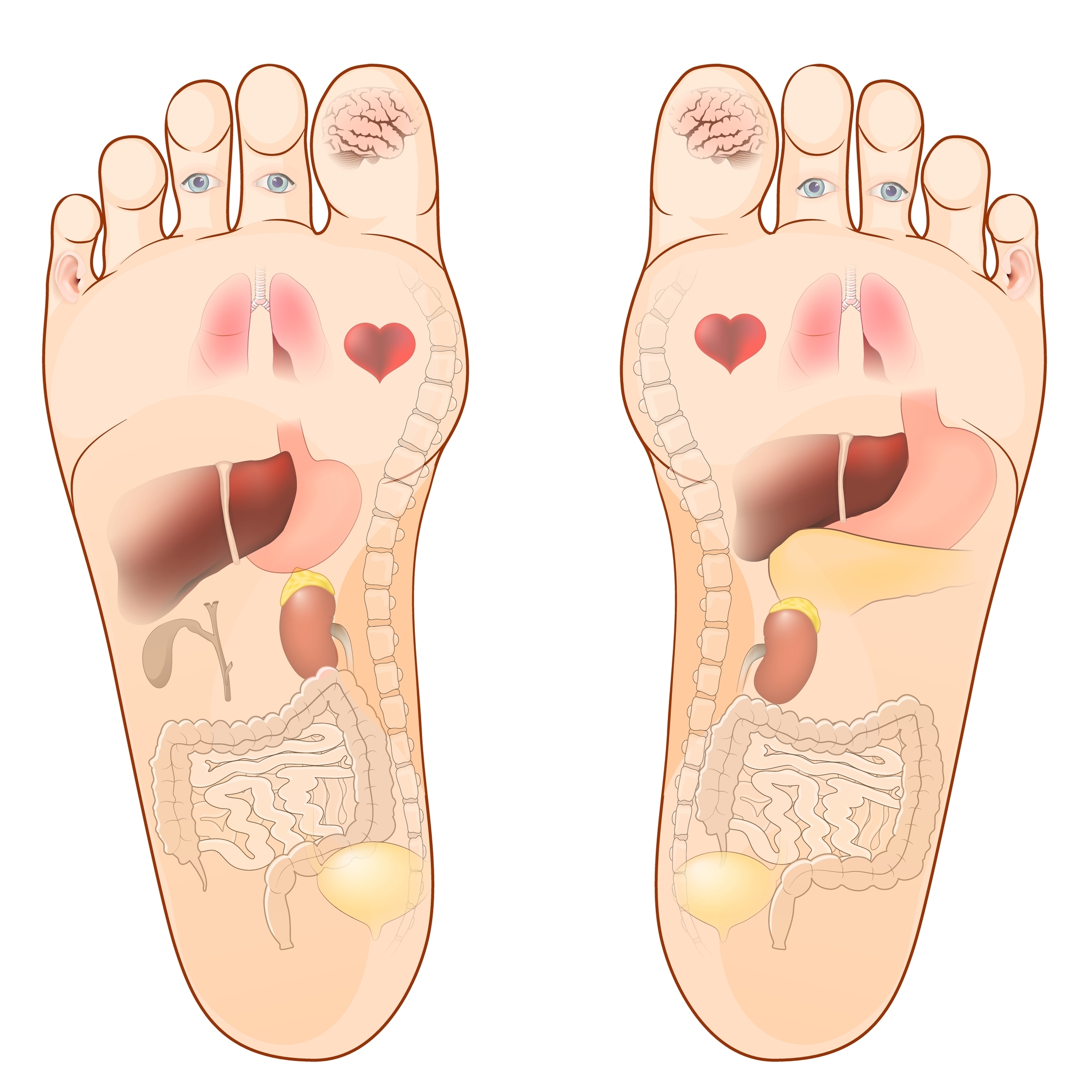
At its heart, reflexology is a deeply relaxing therapy that involves applying gentle pressure to specific points on the feet, hands or face. These points known as reflexes, are believed to correspond to different parts of the body– a bit like a beautifully intricate map.
The idea is simple: by nurturing these reflexes, we support the body’s natural ability to rebalance, restore, and heal itself. Sessions are usually calming, quiet, and non invasive– many people describe it as a “reset” for both mind and body.
A Little History of Reflexology
Reflexology might feel like a modern luxury, but its roots reach far back through human history. Ancient Egyptian tomb paintings, dating around 2330 BC, show people receiving hand and foot treatments– suggesting that the idea of pressure points has been with us for thousands of years.
In traditional Chinese medicine, similar concepts of energy flow (or Qi) and pressure work have been part of healing practices for centuries. Indigenous cultures across the world also used foot and hand massage intuitively to ease discomfort and bring balance.
Modern reflexology, as we recognise it today, began to take shape in the early 20th century. An American ear, nose, and throat specialist, Dr William Fitzgerald, introduced the idea of “zone therapy”– mapping the body into ten vertical zones. He found that applying pressure to certain parts of the hands and feet could relieve pain elsewhere in the body.
In the 1930s and 40s, a physiotherapist Eunice Ingham developed and refined Fitzgerald’s work, creating detailed foot maps and helping reflexologybecome the therapy we know today. Thanks to her dedication, reflexology moved from a niche practice into respected complementary and integrative therapies found in clinics, spas, hospitals, and cancer care centres worldwide.
Today, reflexology continues to evolve, supported by growing research and a deepening understanding of its potential to aid physical, emotional and energetic wellbeing.
Anatomy Nugget: Why the Feet Are So Important
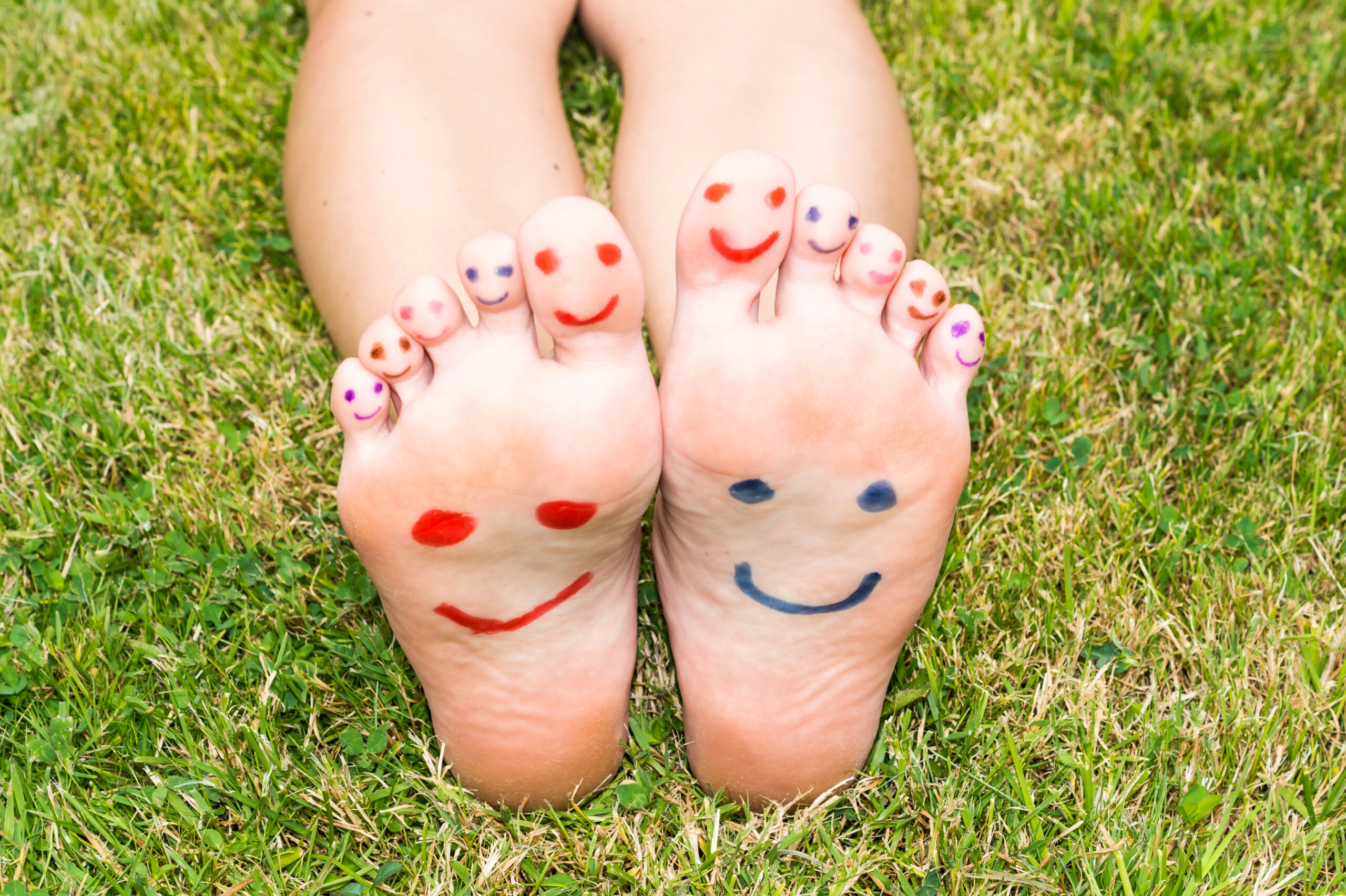
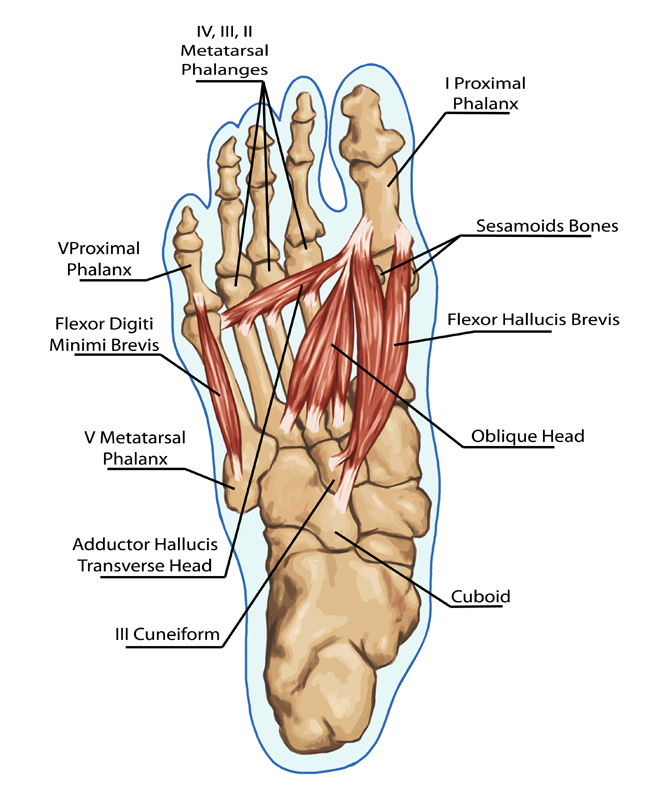
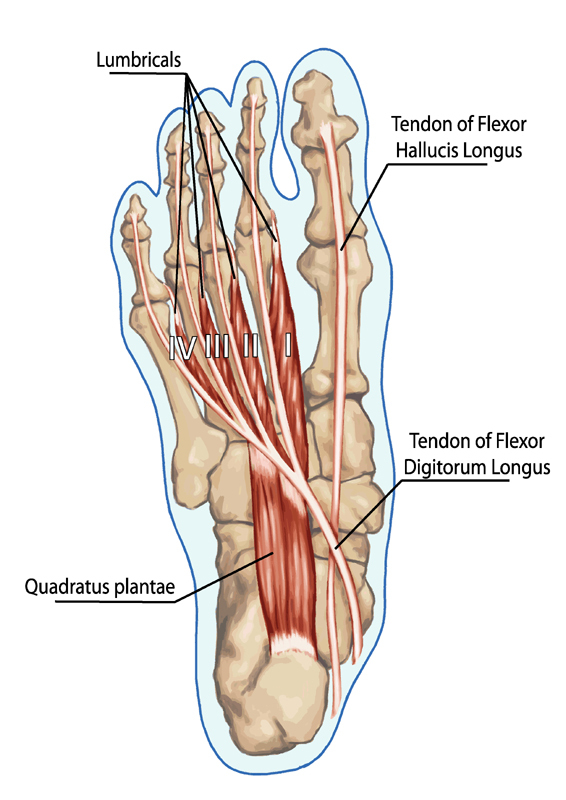
The feet contain over 7,000 nerve endings and a huge number of mechanoreceptors — tiny sensory structures that detect pressure, vibration and movement.
These receptors constantly send information to the brain about:
-
balance
-
pressure distribution
-
movement
-
body position in space
This is called proprioception, and it is one of the reasons stimulation of the feet can influence relaxation, posture and stability.
For many people recovering from illness, surgery or simply the effects of ageing, the feet can become less responsive. Reflexology helps gently wake up this sensory communication again.
You may find these articles interesting:
Research Insight
Research into reflexology has been growing steadily.
A systematic review published in the journal Complementary Therapies in Clinical Practice found reflexology may help support pain reduction, relaxation and improvements in quality of life in cancer patients.
Another study exploring reflexology in people undergoing cancer treatment reported improvements in fatigue and anxiety levels following treatment sessions.
While reflexology should never replace medical care, research increasingly suggests it can be a supportive therapy alongside conventional treatment.
Fun Body Fact
Your feet contain more sensory receptors per square centimetre than almost anywhere else in the body.
This is why stepping on a tiny stone can feel enormous — and why gentle stimulation through reflexology can feel surprisingly powerful.
A Simple Self-Help Tip
Even a small amount of foot stimulation can wake up the nervous system.
Try this simple exercise:
-
Sit comfortably.
-
Roll a soft ball or tennis ball under your foot.
-
Spend one minute exploring different pressure points.
-
Notice changes in warmth, sensation or relaxation.
Many people are surprised how quickly the body responds.
Why Reflexology Can Be Helpful During Recovery
Many of my clients come to reflexology during times when the body has been through a lot.
For example:
-
cancer treatment
-
surgery
-
chronic illness
-
stress and burnout
-
fatigue
-
neuropathy affecting the feet
Sometimes they are not ready for stronger treatments or exercise yet. Reflexology offers a quiet starting point, helping the body settle, reconnect and gradually regain balance.
A Note for Health Professionals
For colleagues working in healthcare, rehabilitation or movement therapy, reflexology can be a useful adjunct therapy.
Because the treatment is gentle and adaptable, it can often be integrated alongside:
-
oncology rehabilitation
-
lymphatic drainage
-
physiotherapy
-
Pilates-based rehabilitation
-
stress management approaches
Like many hands-on therapies, its benefits often sit in the space between physical and nervous system regulation.
Reflexology and the Lymphatic System
Because of my background in Manual Lymphatic Drainage, many people ask whether reflexology can help swelling or fluid retention.
While reflexology does not replace medical lymphatic treatments, stimulation of the feet may encourage:
-
circulation
-
nervous system relaxation
-
gentle fluid movement
For clients dealing with swelling, lymphatic congestion or post-treatment fatigue, reflexology can sometimes work beautifully alongside lymphatic drainage and gentle movement work.
You can read more about this in my article:
Why Does My Swelling Come and Go
And also here:
The Bigger Picture: Touch, Nervous System and Recovery
One of the most overlooked aspects of recovery is the role of safe, therapeutic touch.
The nervous system responds strongly to slow, rhythmic pressure and touch signals. These can help shift the body from a constant “fight-or-flight” state into a more restorative mode.
For people who have been through illness or long periods of stress, this shift can be incredibly valuable.
Sometimes the body simply needs a reminder that it can slow down again.
Curious to Try Reflexology?
If you are experiencing fatigue, swelling, neuropathy or simply feel your body needs a gentler approach to recovery, reflexology may be a helpful place to begin.
I offer reflexology sessions in Clacton-on-Sea and Bury St Edmunds, supporting clients across Essex and Suffolk, particularly those navigating recovery after illness, surgery or cancer treatment.
I had heard of reflexology but never taken the step of trying it first myself. Knowing Fiona was now adding this to her treatments gave me an incentive to try it out. I knew I would be in safe hands and she explains what she is doing and why. I found it very relaxing and uplifting and being able to ask questions along the way gave me a better understanding and more depth to the treatment. At the end of my session I felt relaxed and learned a few things about my body I didn’t know. Highly recommended.
Thank you Marilyn. Reflexology is rather nice x