
How Do You Manage Lymphorrhoea Safely? (Without Making It Worse)
If you’ve noticed fluid leaking from your skin, it can feel unsettling.
Damp patches.
Dressings that won’t stay dry.
Skin that just doesn’t feel right.
And the natural instinct is to deal with what you can see.
Wipe it. Cover it. Hope it settles.
But lymphorrhoea isn’t really about the fluid you can see.
It’s about what’s happening underneath.
You can find out about lymphorrhoea here
or at British Lymphology Society
Before we go further — a quick, important note
If you are noticing fluid leaking from your skin, it’s worth getting it checked sooner rather than later.
You don’t need to panic — but you also don’t need to sit on it.
A good place to start is:
-
your GP
-
a district nurse
-
a lymphoedema service (if you are already under one)
Especially if the area is:
-
red or warm
-
sore or changing
-
increasing in size
-
or just doesn’t feel right
This isn’t about overreacting
It’s about getting the right support early
What are we actually trying to manage?
Lymphorrhoea means lymph fluid leaking through the skin.
That fluid isn’t just water.
It contains:
-
proteins
-
waste products
-
immune cells
When it builds up in the tissues, it increases pressure.
When it leaks, it tells us:
the system is overloaded
the skin is struggling
So the aim is not just to “stop the leak”.
It’s to:
-
reduce the swelling
-
protect the skin
-
support the lymphatic system
Research nugget — why early support matters
This is one of those areas where timing really matters.
Studies show that chronic oedema and lymphoedema significantly increase the risk of cellulitis, with some research suggesting around one-third of people will experience it at some point.
We also know that longer-standing swelling leads to tissue changes — including fibrosis (thickening and hardening of tissues), which makes swelling harder to reverse.
And in cancer care, early management of lymphatic issues is consistently linked to better long-term outcomes and fewer complications.
So while waiting might feel easier in the moment…
early support is almost always simpler, more effective, and less stressful in the long run
My colleague Kerry is one of the Lymphoedema specialists at Clacton Hospital – Kerry kindly agreed to an interview, you can read about Kerry and her services here
It was Kerry who inspired me to take my training further, you can read more here



First priority — protect the skin
When skin is constantly exposed to fluid, it softens and becomes fragile.
Think “over-soaked”.
That’s when small problems become bigger ones.
So we start simple:
-
gentle cleansing (no scrubbing)
-
patting dry, not rubbing
-
applying a simple, non-irritating moisturiser
Some people find products like MooGoo Skincare (You can read about MooGoo here) helpful because they are designed to support sensitive skin — but the key is:
keep it simple
keep it tolerated
Always be guided by your gp or medical practitioner – they might not have heard of some products and may welcome you asking their advice.
Dressings — get the right support here
If fluid is leaking, dressings may be needed.
But not all dressings are equal.
The goal is to:
-
absorb fluid
-
protect the skin
-
avoid sticking or trauma
And this is where professional input really helps.
District nurses and tissue viability teams deal with this every day — and the right dressing choice can make a huge difference to comfort and healing.
Compression — often the turning point
This is the bit people are unsure about.
Compression is not about squeezing or forcing fluid away.
It’s about supporting the body’s natural movement of fluid
When used appropriately, it can:
-
reduce swelling
-
reduce leakage
-
support skin recovery
But it needs:
-
proper assessment
-
correct level
-
the right timing
This is not a guess-and-try situation.
Movement — small things done often
The lymphatic system doesn’t have a pump.
It relies on:
-
muscle activity
-
breathing
-
gentle pressure changes
So movement helps.
Not intense exercise.
Not pushing through discomfort.
just small, regular, supported movement
This is often where people start to feel a bit more in control again.
Bring in the right people (this is not a solo job)
A lymphoedema specialist like Kerry (Lymphoedema Specialist) can:
-
assess the type of swelling
-
guide compression
-
support skin care decisions
-
reduce complications
Your GP or nurse supports the medical side.
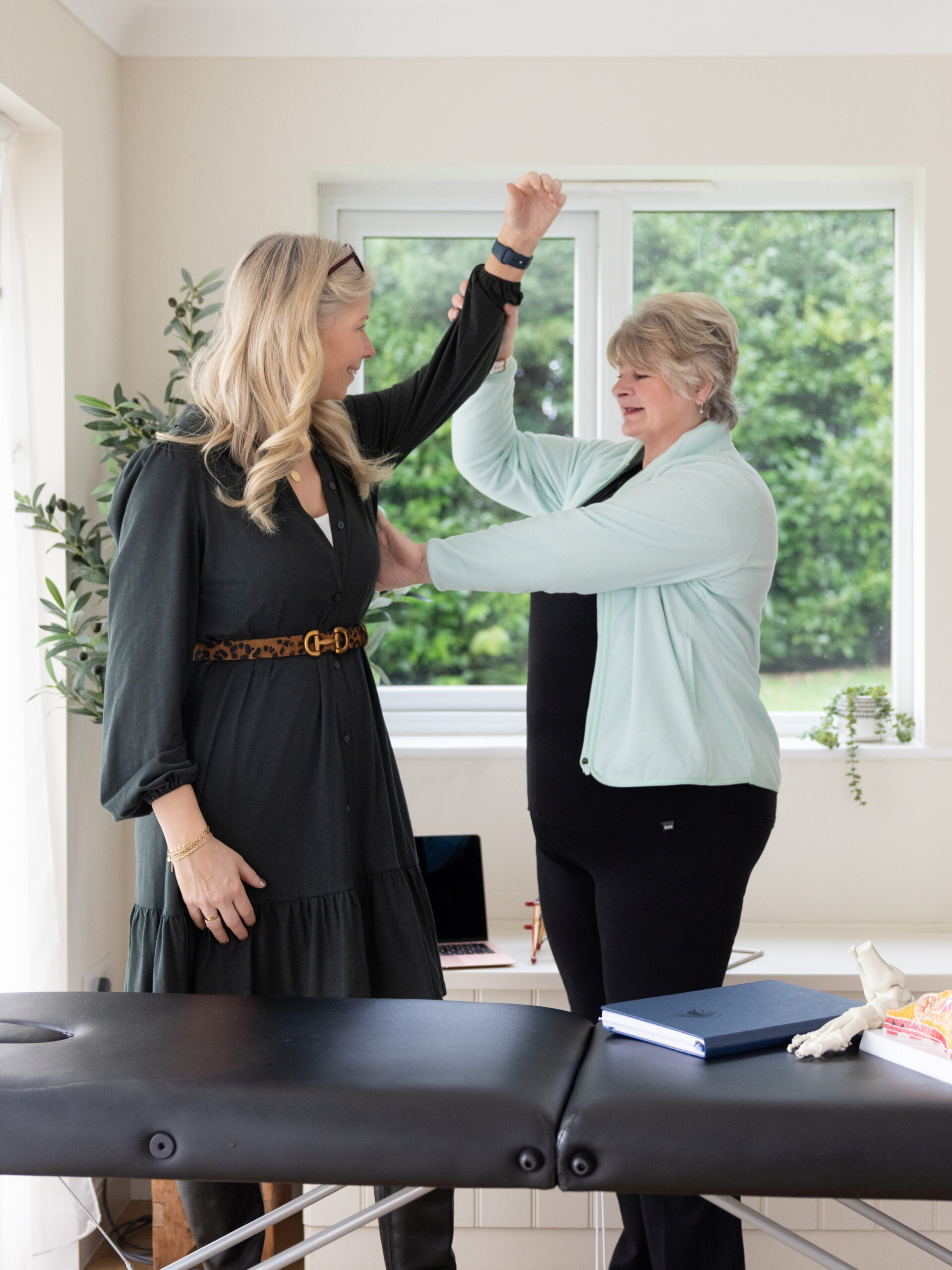
And my role sits alongside that — helping you understand what’s happening and supporting movement and recovery.
This is a team approach
What not to do
-
don’t ignore it and hope it settles
-
don’t keep switching products
-
don’t wrap tightly without guidance
-
don’t assume it’s “just fluid”
Because if lymphorrhoea is present, the body is already working hard.
My take (and this matters)
When fluid starts leaking, it can feel like things have gone too far.
I don’t see it like that.
I see it as a point where the body is asking for support.
not failure
not something you’ve caused
just a system under pressure
And with the right support, things can often settle more than people expect.
If this is you
If you’re dealing with:
-
swelling that feels heavy or tight
-
skin changes
-
fluid leaking or damp patches
please don’t sit with it.
Start with your GP or nurse — and if you want support alongside that, I offer gentle, recovery-focused work around swelling, lymphatic health, scar care and movement in:
Clacton-on-Sea, Bury St Edmunds, Essex and Suffolk
You can read more
Fluid retention vs Lymphoedema