
There’s something deeply appealing about heat.
A hot bath at the end of the day.
A sauna after a swim.
A hot tub on holiday.
It feels like self-care.
It feels like we’re doing something good for our bodies.
And in many ways… we are.
But — and this is where it gets important — when the lymphatic system has been compromised (whether through cancer treatment, surgery, or chronic swelling), heat becomes something we need to understand a little more deeply.
Not fear.
Not avoid completely.
But respect.
The Good
Let’s start with what can be helpful.
Heat can:
- Encourage relaxation
- Reduce muscle tension
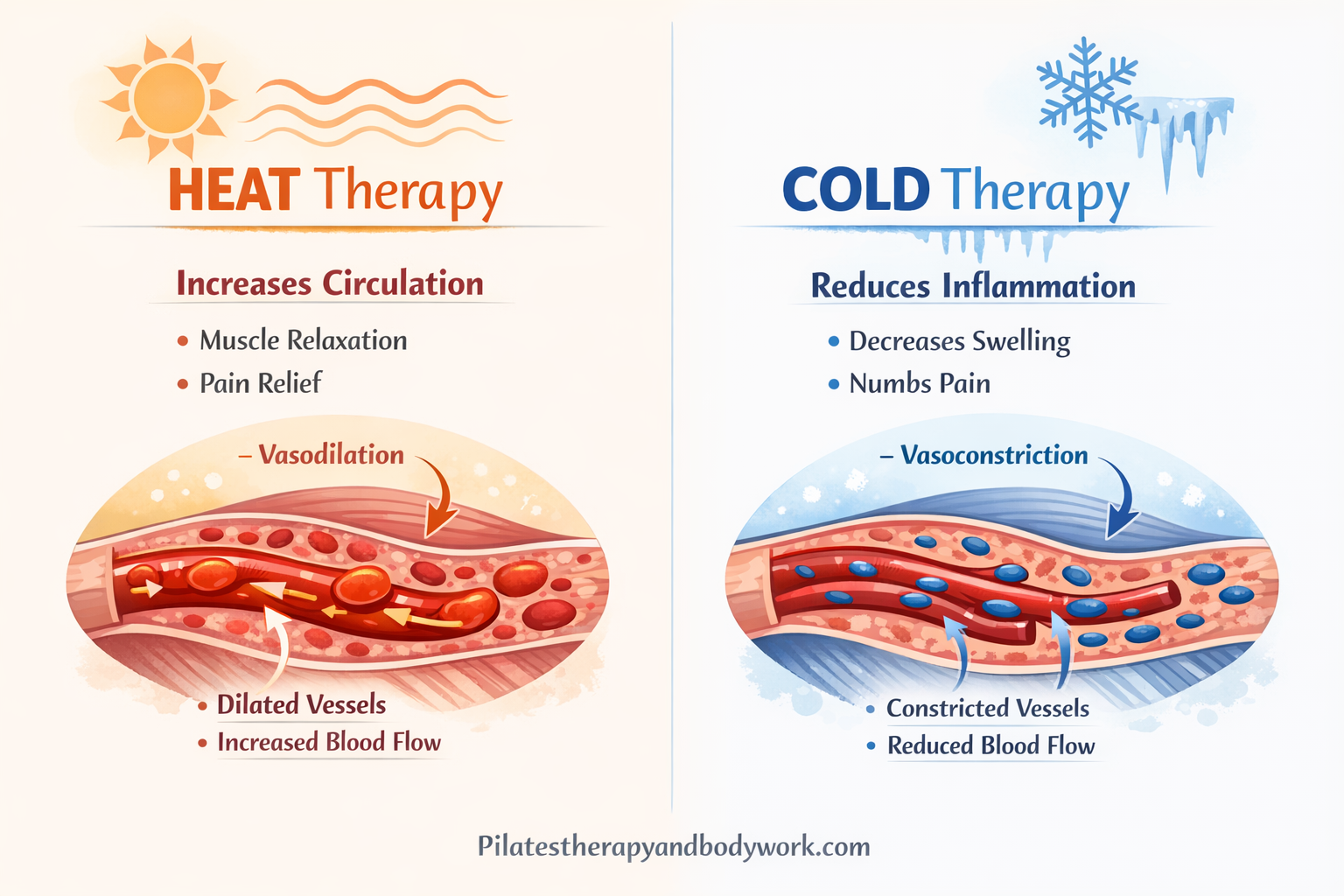
- Increase circulation
- Support a sense of wellbeing
Warmth can also gently stimulate superficial circulation, which can assist fluid movement in some cases — especially when the system is functioning well.
There’s a reason people feel better after a warm bath.
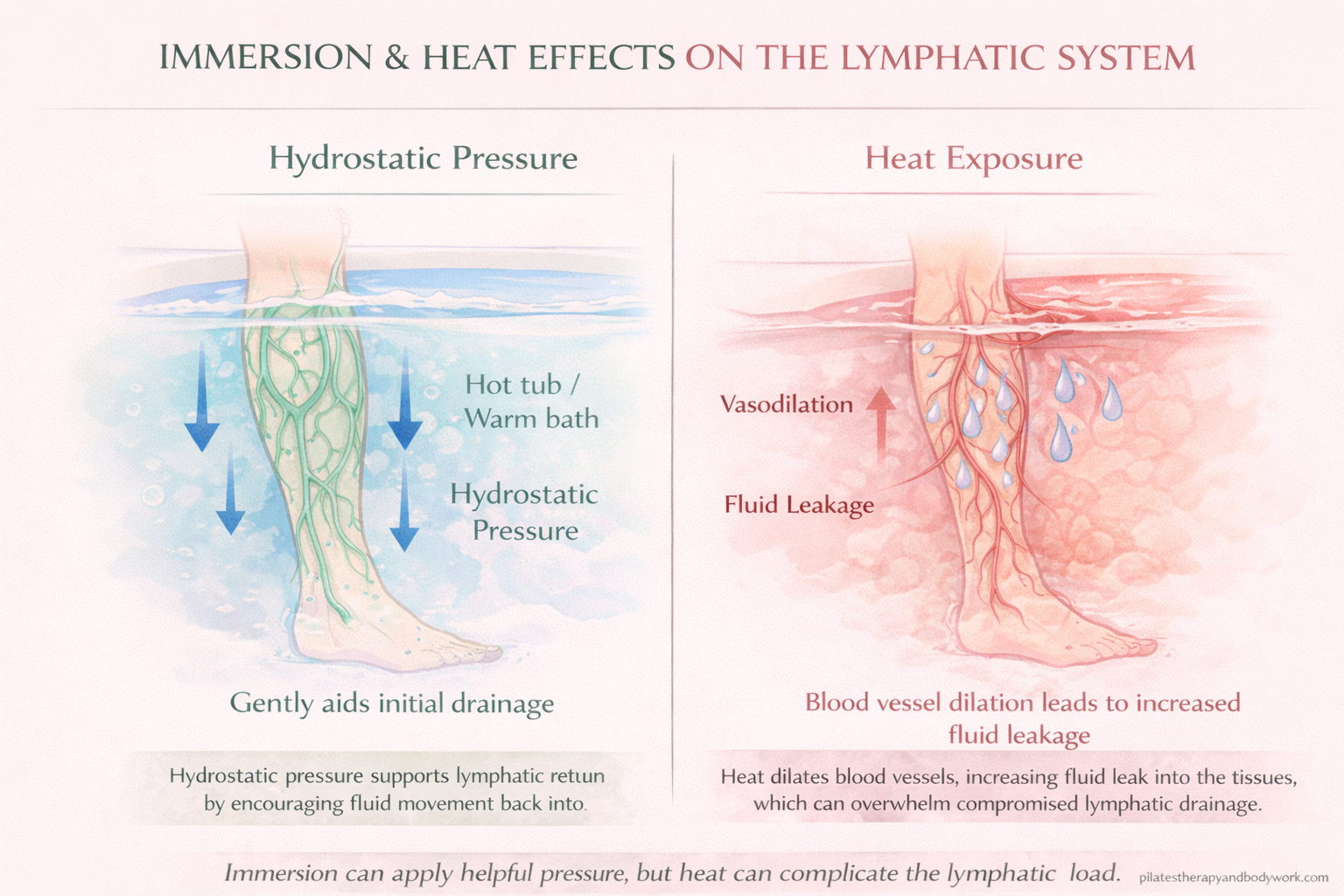
– Water’s hydrostatic pressure can assist fluid return. Being immersed (especially deeper water) gently compresses the limbs and can aid venous/lymph return– one reason water based exercise is often helpful for oedema when water is thermoneutral (the range of ambient temperatures where the body can maintain its core temperature. Heat Production and Heat Loss are in Equilibrium/Balanced), to mildly warm, not hot.
(for more information on water-based exercise for upper and lower limb lymphoedema visit – https://doi.org/10.1016/just.jvsv.2022.08.002)
– Relaxation and pain relief– Gentle warmth reduces muscle guarding and can make movement easier– movement itself is a lymphatic booster. (See below for the BAD)
Takeaway – Pool exercise in temperate water can be great; it combines movement, hydrostatic pressure without the vasodilatory hit of very hot water.
The Bad
Here’s where things begin to shift.
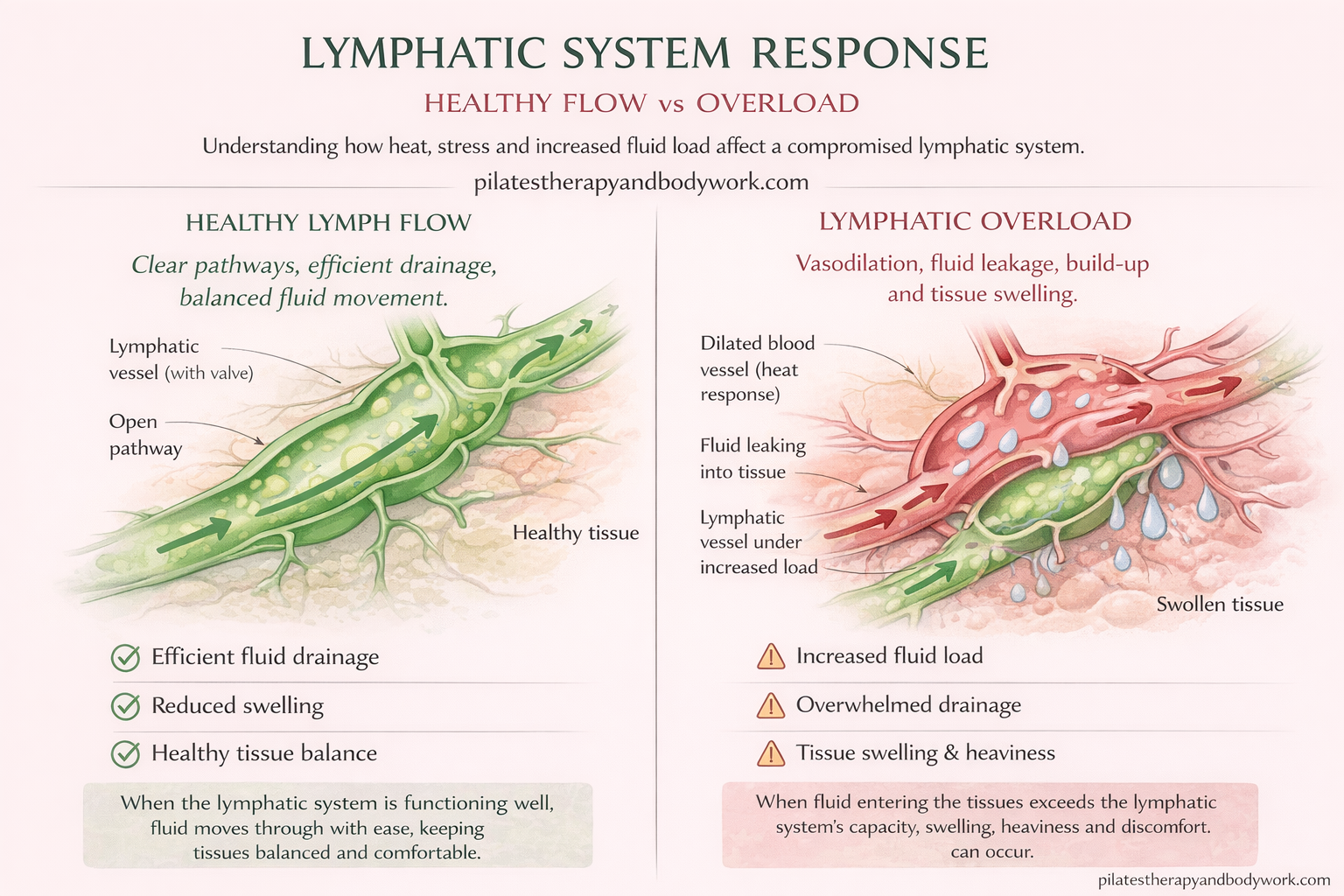
Heat causes vasodilation — blood vessels widen.
This sounds positive (and it can be), but it also means:
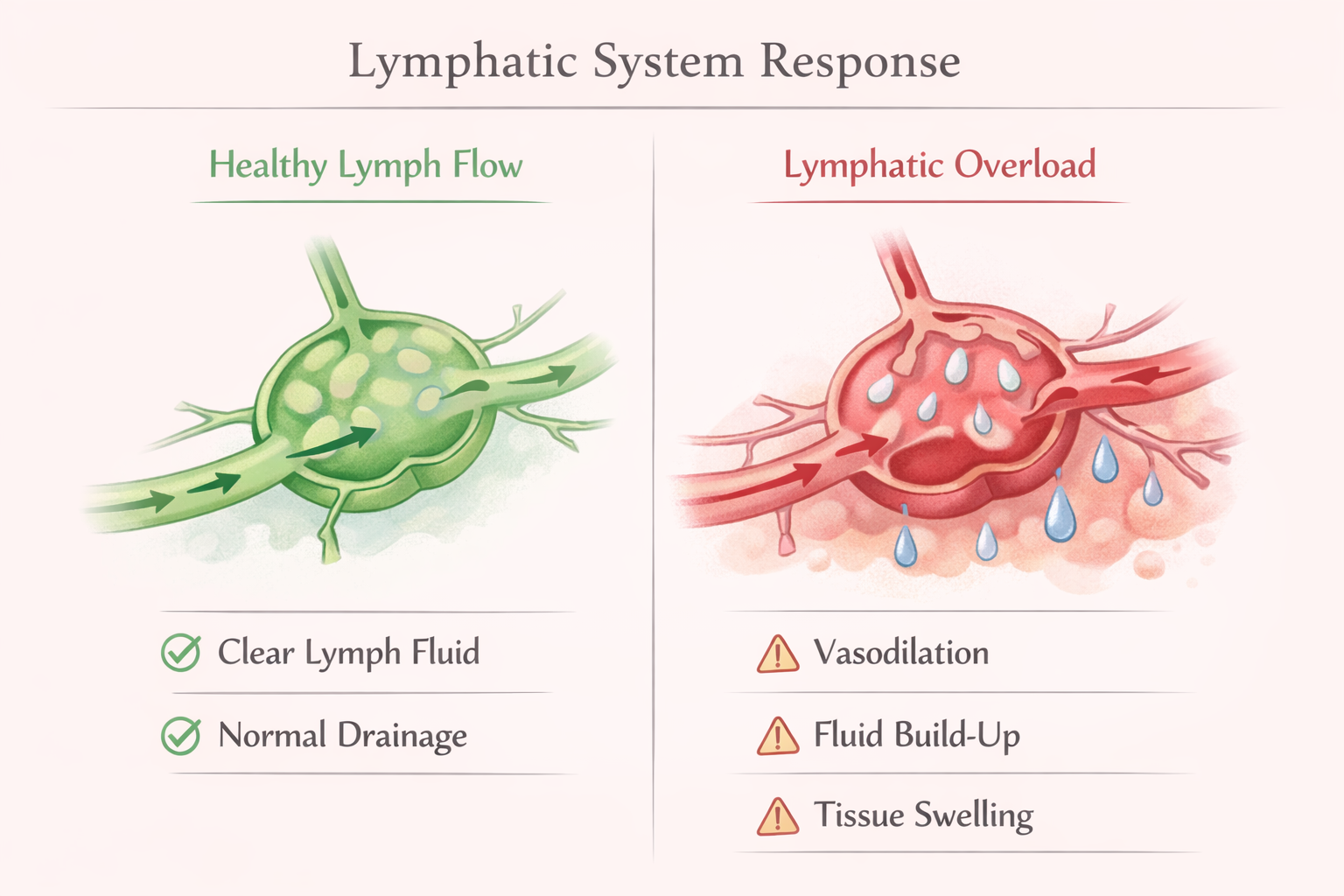
- More fluid moves out of the capillaries into the tissues
- The lymphatic system has more fluid to manage
- The overall load on the system increases
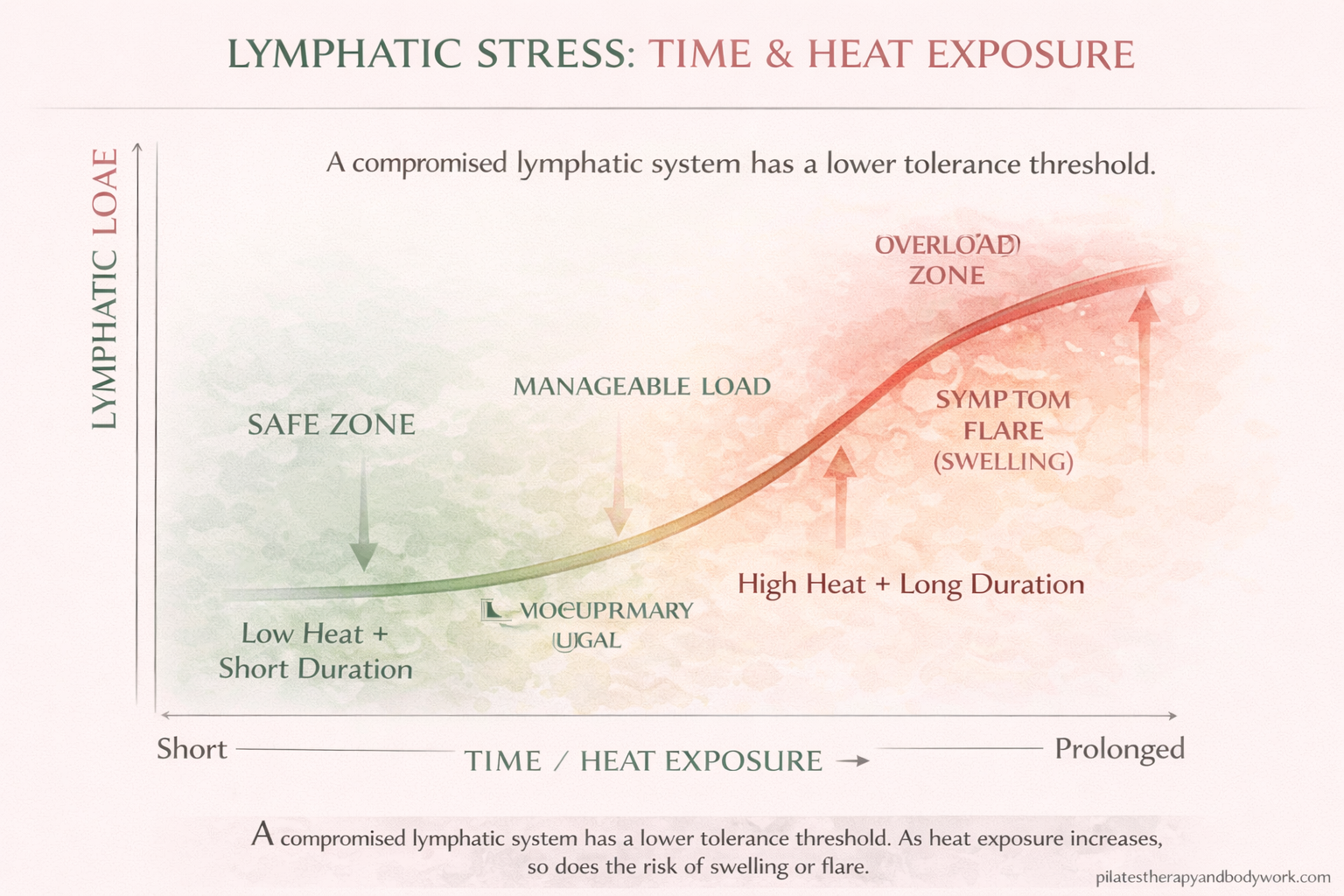
If your lymphatic system is already working close to its limit, this extra demand can tip things over.
Research shows that heat exposure increases capillary filtration due to vasodilation, placing a greater fluid load on the lymphatic system. In a healthy system this is manageable — but in a compromised system, this increased demand can exceed lymphatic transport capacity, leading to swelling.
– This is the key concept:
It’s not just about flow — it’s about load vs capacity.
Geeks deep dive
– Vasodilation = more fluid leaking out! Hot environments (hot tubs, saunas, very hot baths, steam rooms, sunbeds) dilate skin blood vessels. That raises capillary filtration, increasing the load your already– compromised lymphatics must clear– so swelling can rise. UK guidance consistently cautions against high heat for people with or at risk of lymphoedema.
– Time and temperature matter. Risk climbs with hotter temps and longer exposure.
– Jets can be too aggressive. Strong spa jets directed at a swollen area can irritate the tissues and may worsen the congestion.
The Ugly
This is the part that often catches people out.
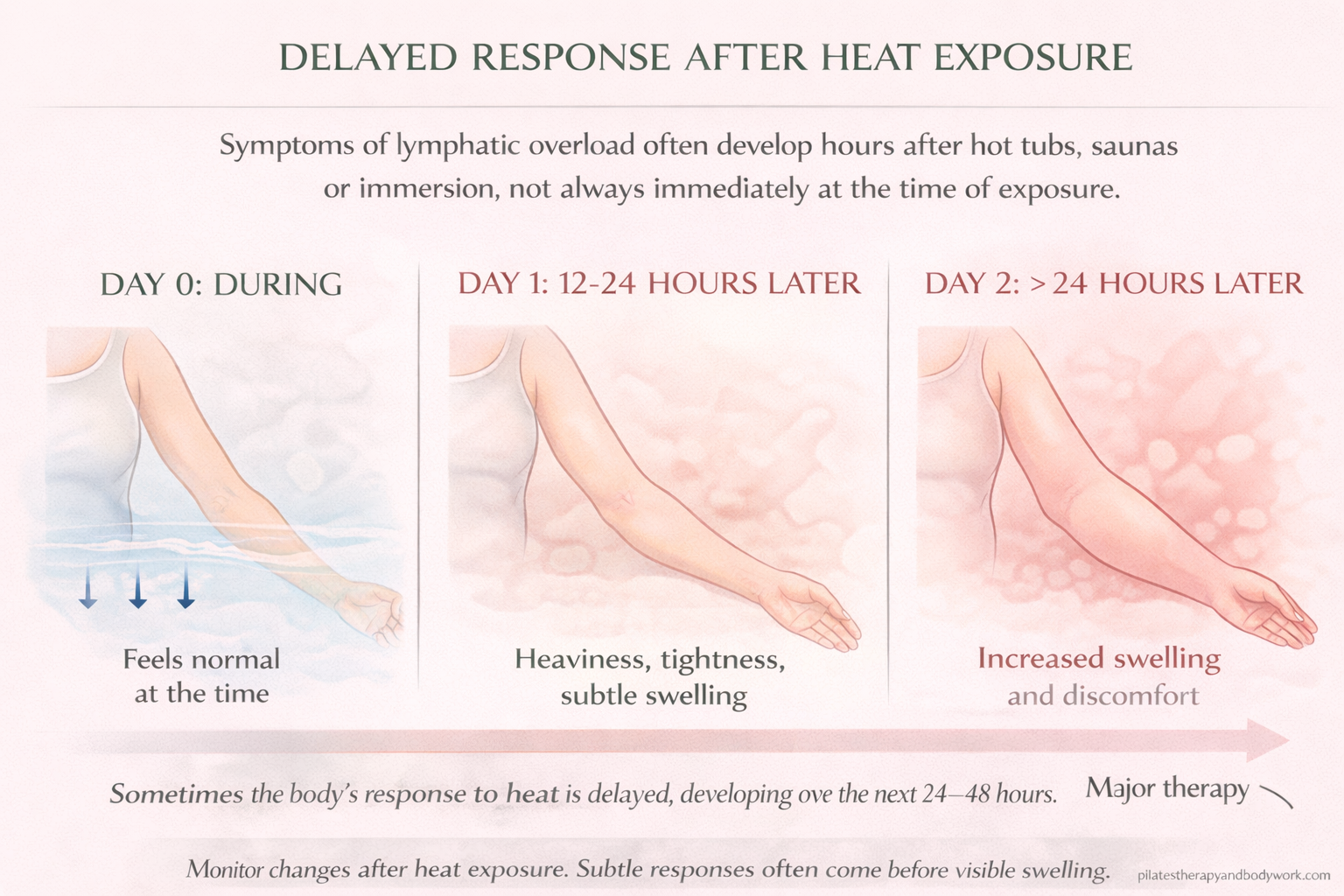
Because it doesn’t always happen immediately.
You may feel fine in the moment.
Relaxed. Looser. Even lighter.
But later that day… or the next day… you might notice:
- Heaviness
- Tightness
- A subtle increase in swelling
- A change in how your clothes or jewellery feel
— What I see in clinic
What I often see in clinic is not an immediate reaction, but a delayed one. Clients feel absolutely fine during the heat exposure — and then notice a shift 12–48 hours later. This is where people often don’t connect the dots.
So… can you ever use a hot tub or sauna?
Short answer: be cautious, and many people with lymphoedema decide they are not worth it. If you do choose to try:
A sensible, safety-first plan
1) Skip it if: you have any open skin, signs of infection, a current cellulitis/erysipelas history, or your swelling is already up that day.
2) Choose cooler and shorter: Keep water low (under 39*) and limit your time (10-15 suggested). I would suggest no more than 3-5 mins on your first try, and make sure you time it. It is very easy to lose track of time when chatting or feeling relaxed with the warmth. Stay away from the jets, as they may be too strong.
3) Compression timing: Remove compression garments in hot water, reply once you are cool and dry. Elevate the limb for 20-30 mins afterwards
4) Hydrate & cool down: Rinse & Cool the limb with a tepid shower, moisturise to protect and then pop your compression garment back on. (If you are joining your friends for a spa day, avoid alcohol around the session as it is a vasodilator)
5) Monitor “your dose response”– measure and visually compare before and after. A tight watch strap, a limb feeling a bit heavy, your rings feeling a bit tighter, these are signs of swelling. If you notice even a mild response in the hours and even the next day, it would be safer to avoid in future.
You can find lots of information
Lymphoedema Support Network – Cancer Research UK
Why this matters more than people realise
There’s something I think is really important to say here.
Many people move further away from treatment and begin to feel like things are “back to normal”.
And in many ways, they are.
But the lymphatic system doesn’t always return to full capacity.
Instead, what often happens is:
- The body adapts
- Other pathways help compensate
- The system functions — but with less reserve
– Which means:
It works… but it’s working closer to its limit than you realise.
This is why things like heat, travel, illness, or overuse can suddenly trigger a response — even years later.
Not because something has gone wrong.
But because something has tipped the balance.
A simple way to understand it
Think of your lymphatic system like a bucket.
- A healthy system = a large bucket with lots of capacity
- A compromised system = a smaller bucket
Now add heat.
Heat increases the amount of fluid entering the tissues — it’s like turning the tap on faster.
If the bucket can’t keep up… it overflows.
Hot tubs vs saunas — are they the same?
Not quite.
Full-body immersion (like a hot tub) creates both heat exposure and hydrostatic pressure, which can initially support fluid movement. However, the combined effect of heat and prolonged exposure can increase overall fluid load more significantly than dry heat alone (such as a sauna).
– In simple terms:
- Sauna = heat load
- Hot tub = heat + pressure + longer exposure risk
Both can be helpful.
Both can also be too much.
Infection risk — something we don’t talk about enough
Hot tubs, in particular, are shared environments.
Warm water + multiple users = increased bacterial exposure.
The lymphatic system plays a key role in immune defence.
So when it’s compromised:
- Skin integrity matters more
- Small cuts or breaks matter more
- Infection risk can be higher
– This isn’t about fear — it’s about awareness.
So what can you do?
This is where we bring it back to practical, real-life choices.
- Keep exposure short
- Avoid very high temperatures
- Stay well hydrated
- Monitor how your body responds (especially the next day)
- Be cautious if you already have swelling
Think in terms of dose, not just activity.
It’s not “can I use a sauna?”
It’s “how much, how hot, and how often can my system tolerate?”
The takeaway
Heat isn’t the enemy.
But it is a load on the system.
And when the lymphatic system has been compromised, that load matters more.
– The goal isn’t avoidance.
– The goal is understanding.
So you can enjoy things…
without unknowingly tipping your system into overload.
This is a conversation I’m having more and more in clinic — particularly with people who are years beyond treatment and feeling well.
As I continue to deepen my specialist knowledge in Manual Lymphatic Drainage and lymphoedema management, what becomes clearer is this:
– It’s not about restriction.
– It’s about recognising how your body works now.
And… A bit more science. Lymphangions & lymphangiomotoricity– a quick 1 paragraph dive
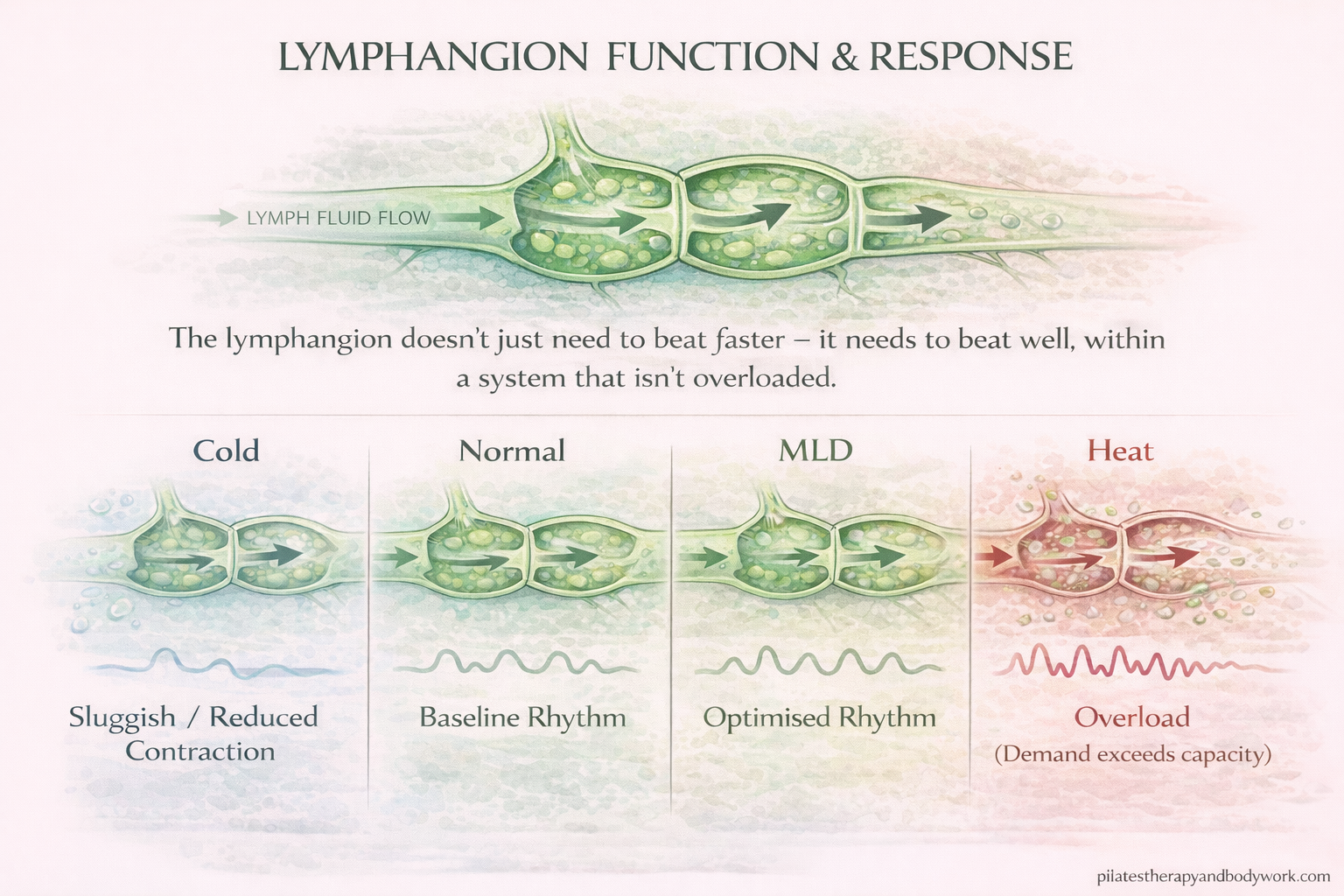
A lymphangion is a short segment of a collecting vessel bounded by valves (these form a line with nodes interspersed, like a beaded necklace). It’s smooth muscle generates automatic, rhythmic contractions that pump lymph– this pump quality (frequency + strength) is your lymphangiomotoricity (a clinical term you will also see as contractility/pumping). It’s tuned by temperature, stretch and shear– mild warming, can speed the “beat”, but excessive heat or cold and certain mechanical loads, like too much pressure and even pain can disrupt this, so flow becomes inefficient.
If you’re unsure how your lymphatic system is responding — or you’ve noticed changes after things like heat, travel, or activity — you’re not alone.
I work with people navigating swelling, recovery, and lymphatic health every day, helping you understand what your body is telling you and how to support it.
– Clinics in Clacton-on-Sea and Bury St Edmunds, supporting clients across Essex and Suffolk.

So… What do official guidelines say?
– Macmillan – “Be careful using saunas, hot tubs and steam rooms… Only spend short amounts of time… Check swelling does not get worse.”
– NHS (England & Scotland) – Avoid very hot baths/showers; heat from saunas/steam rooms/sunbeds may increase swelling.
If swelling does flare up after heat
Back to basics: rest, elevate, breathe, gentle movement, and consistent compression until baseline returns.
Watch for infection: heat, redness, tenderness, flu-like symptoms– seek medical attention promptly; cellulitis guidelines for people with lymphoedema stress early antibiotics.
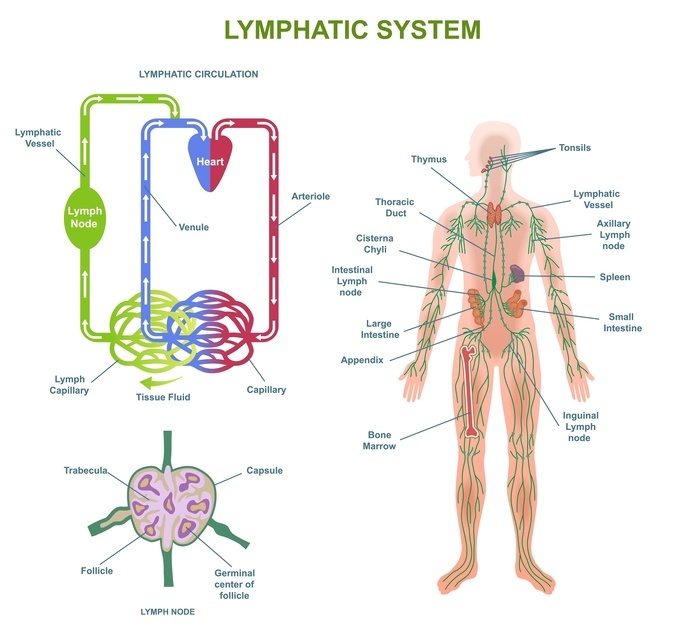
You can find a simple guide to your lymphatic system here https://pilatestherapyandbodywork.com/the-lymphatic-system-and-you/
Please get in touch if you would like to book an appointment for a consultation fi@therapyinmotion.co