
Many people come for reflexology because they feel stressed, overwhelmed or simply exhausted.
Sometimes they can’t quite explain it. They just know their body feels tight, their mind won’t switch off, and sleep isn’t what it used to be.
Often the first thing they say after a reflexology session is something like:
“I didn’t realise how tense I was until I relaxed.”
And that’s the interesting part.
Reflexology is often described as a foot treatment, but what many people experience is actually a shift in the nervous system.
Anatomy Nugget: Your Nervous System Has Two Modes
Your nervous system is constantly balancing between two main states.
The sympathetic nervous system prepares the body for action. It increases alertness, heart rate and readiness to respond.
The parasympathetic nervous system does the opposite. It allows the body to rest, digest and repair.
In modern life many of us spend long periods in a low-level stress response, even when we’re not aware of it.
Gentle therapies like reflexology may help the body shift back toward a more relaxed state, allowing recovery systems to work more effectively.
Research Insight
Several studies exploring reflexology have found it may help reduce stress, anxiety and fatigue, particularly in people recovering from illness or cancer treatment.
One reason may be that relaxing touch therapies encourage the body to move into a parasympathetic (rest-and-repair) state, which supports recovery processes.
External reference example:
Cancer Research UK complementary therapies information.
Fun Body Fact
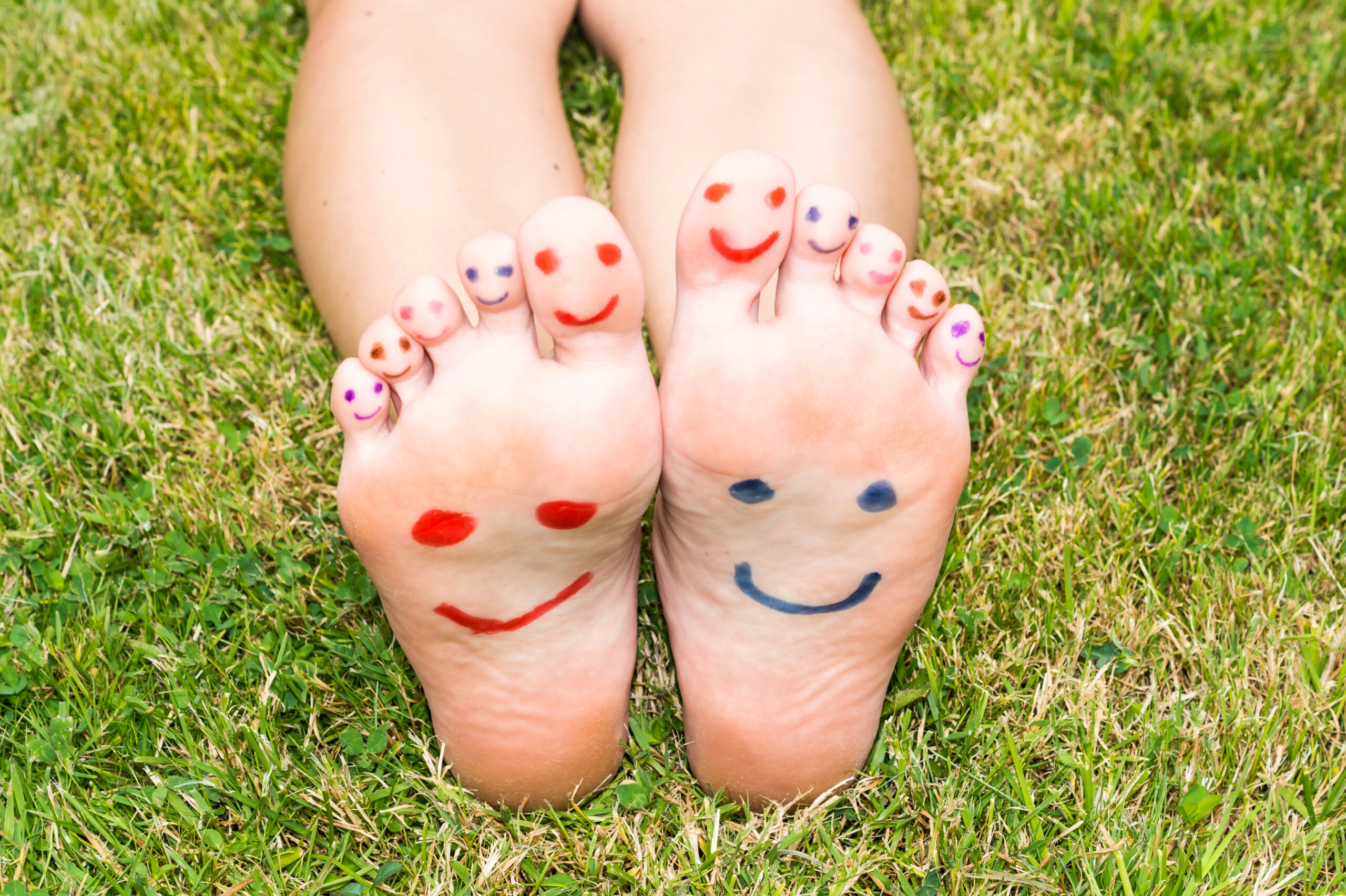
Your feet contain over 7,000 nerve endings and a dense network of sensory receptors that constantly send information to the brain.
When the feet are stimulated through gentle pressure and rhythm, those signals travel through the nervous system and can influence how relaxed or alert the body feels.
A Simple Self-Help Tip
If your nervous system feels overloaded, try this simple exercise.
Sit comfortably and place one hand on your abdomen.
Take five slow breaths, allowing the abdomen to expand gently as you inhale.
Then roll a small ball under the foot for one minute.
The combination of breathing and foot stimulation can help calm the nervous system surprisingly quickly.
When Stress Shows Up in the Body
Stress doesn’t just live in the mind.
Over time it can show up as:
• muscle tension
• poor sleep
• fatigue
• digestive changes
• headaches
• feeling disconnected from the body
Sometimes the body simply needs permission to slow down again.
Gentle therapies such as reflexology, breathing work and movement can help create the conditions for that shift.
A Note for Health Professionals
For colleagues working in rehabilitation or oncology support, therapies that encourage nervous system regulation can play an important supportive role.
Stress responses influence inflammation, sleep quality and recovery capacity. Supporting relaxation alongside movement and rehabilitation can help people feel safer and more confident in their bodies again.
Curious About Reflexology?
If you feel your body has been running on empty for a while, reflexology can offer a quiet space for the nervous system to settle.
Reflexology sessions are available in Clacton-on-Sea and Bury St Edmunds, supporting clients across Essex and Suffolk, including those recovering from illness, surgery or cancer treatment.
You may find these articles interesting:
Boost or Balance – the immune system blog
Foot Work
You may find Manual Lymphatic Drainage also useful for relaxation and stress relief
Manual Lymphatic Drainage page