
Holding the Whole Person – One piece of the puzzle in lifelong lymphoedema support
There are some people who quietly change the direction of your work.
Kerry is one of those for me.
It was Kerry who inspired me to deepen my lymphatic training — not because she was loud about it, but because of the steady, grounded way she works. Clinical. Honest. Real about the system. And deeply committed to the people in front of her.
Lymphoedema is not simple. It is lifelong. It can be misunderstood, misdiagnosed, and emotionally exhausting. And yet, in clinics across the country, small teams are holding very big caseloads and doing their absolute best.
This conversation is one piece of the puzzle — a look inside NHS lymphoedema care, what’s possible, what’s stretched, and where collaboration truly matters.
Kerry’s Journey Into Lymphoedema
Kerry’s introduction to lymphoedema was personal before it was professional.
Her mother was diagnosed with malignant melanoma in 2011 and developed lymphoedema following lymph node clearance to her groin. Attending appointments with her mother led to a conversation with the lymphoedema nurse running the West Suffolk service at the time. That nurse encouraged Kerry to complete her Vodder training — and in 2012 she began working within the service.
She worked in Bury St Edmunds and surrounding areas for three years before moving to Colchester Lymphoedema Service in 2016.
What’s kept her there?
Helping patients.
Advocating self-management.
And yes — the honesty of job security in an unpredictable healthcare world.
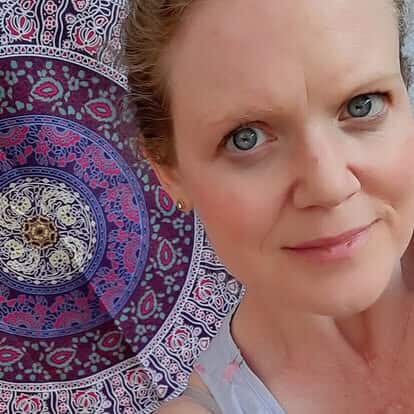

What do you hold in mind when you meet someone who’s overwhelmed or newly diagnosed?
I offer plenty of reassurance but also am clear that the condition is chronic and cannot be cured. I allow them to ask questions and try to be honest, approachable and informative.
What does ‘good care’ look like to you, even when time is limited?
Assessing each patient on an individual basis and offering appropriate care dependent on patients’ diagnosis, ability to self-manage and outcomes.
Patients with head and neck lymphoedema or breast swelling are usually offered MLD. Those concordant with their self-care and able to wear garments are reviewed after assessment at three months and then six-monthly appointments going forward, and then discharged if stable.
What are the realities of working with lymphoedema at scale, particularly within public healthcare?
We are a small team of four (three who see patients). We are limited in terms of clinic space, and we all work part-time hours. The caseload is now between 800–900, and the wait times for new assessments are usually 6–10 weeks. Our clinics get very booked up and I am now booking into May for new appointments.
How do you prioritise when demand is high and resources are stretched? What do you find hardest about wanting to offer more than the system allows?
I try and offer treatment to those most in need at assessment. For example, patients with an end-of-life diagnosis and head and neck lymphoedema.
We offer all patients the opportunity to attend the support group in Lawshall, and I also make onward referrals to other services and supply as much information as possible to help patients feel informed and aware of the importance of self-management.
I have accepted that the emphasis is on patient self-management and that while we can offer garments, advice and help with onward referrals, the responsibility is on the patient to maintain their condition on a day-to-day basis.
We are limited by room restrictions and number of clinic days worked per week.
Complementary Care & Collaboration
How do you see movement, yoga and self-management fitting alongside clinical care?
I emphasise the importance of movement and exercise at every appointment. I show patients SLD and educate them on deep breathing, stress reduction and healthy eating.
The holistic approach is what inspires me most about my role — treating the whole person, not just the condition.
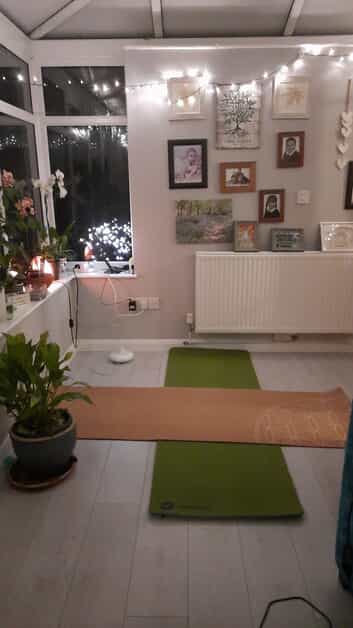
You will find Yoga classes with Kerry here
You can also find Kerry @justflowyogakerry@gemail.com
What role do private practitioners and community-based therapists play in supporting NHS services?
It is important for us to be able to offer onward referrals. I also make patients aware that while MLD is beneficial, it is expensive and may help short term but is unrealistic long term as lymphoedema is a lifelong condition. I always push self-management first or the purchase of a pump to use long term.
Together Against Breast Cancer is a local peer lead support group in Frinton
You will also find a cancer support group in:
Harwich – Contact Kelly Flatt 07585559761
Frinton – at McGrigor Hall on the last Monday afternoon 2-4
What helps referrals work well between clinics and practitioners?
To know who to refer to, costs and professional qualifications.
The wellbeing centre in Colchester can often be helpful in finding services funded and private
Healthwatch Essex might also be able to help you find services. They also have a trauma card you can apply for
Professional Boundaries
You work within clear professional boundaries — how do you hold your personal passion for this work within those structures?
I can stagnate at times and feel overwhelmed with admin and patient demands. We have all suffered with burnout from dealing with oncology and end-of-life patients, so it is important we support each other and seek support from East Suffolk and North Essex NHS Foundation Trust.
What helps you stay grounded and ethical in such a demanding field?
Knowing I do an important job and make a difference in patients’ lives. Seeing the lightbulb moment when patients feel listened to and heard after many years of being misdiagnosed or ignored by health professionals.
What gives you hope in this work?
Some days that is hard with all the bureaucratic changes, lack of room space and time restrictions. But I get hope from knowing that each day I go to work there will be at least someone I can help and maybe offer hope to.
What would you love patients to know about lymphoedema care?
That management is not just dependent on the four cornerstones (skin care, MLD, exercise, compression therapy). Other aspects should also be discussed or considered such as nutrition, mental health, social status, weight control, Kinesio taping, psychosocial factors, intermittent pneumatic therapy, genetics, wraps and liposuction.
What makes collaboration between practitioners feel genuinely supportive rather than fragmented?
Team meetings, team building, knowing where to go for support and onward referrals. The British Lymphology Society is a good resource. We used to have monthly meetings, but these have now stopped. The BLS conference and study days are good for networking and re-kindling important relationships. Reps visit us regularly for updates with garments.
This is why I believe in joined-up working.
Kerry holds clinical lymphoedema care within the NHS — stretched, structured, accountable. My role sits alongside that, not instead of it.
Different lanes. Same direction.
Each conversation in this series shares a different piece of the puzzle — because recovery, wellbeing and care are never one-size-fits-all.
Support Beyond the Clinic
As Kerry mentioned, peer support can make a real difference alongside clinical care.
North Essex Lymphoedema Support Group (NELSG)
The North Essex Lymphoedema Support Group is open to all patients living with lymphoedema in North Essex — whatever the cause — as well as relatives and carers. Sessions are held at the Ventrure Centre, Lawshall.
The group aims to:
-
Provide advice, support and up-to-date information
-
Raise awareness of lymphoedema among medical professionals and voluntary organisations
-
Offer a relaxed, friendly environment for discussion and mutual support
-
Invite guest speakers covering topics related to living well with lymphoedema
Meetings:
Bi-monthly at Great Bentley Village Hall
Contact:
Lorna Campbell
Tel: 01206 501150
Text only: 07887 925252
Email: lornamcampbell@gmail.com