
What Is Lymphorrhoea? When Swelling Starts Leaking Through the Skin
You might notice it suddenly.
A patch on your trousers.
A damp dressing that shouldn’t be wet.
Tiny droplets sitting on the skin.
And the question I hear a lot is:
“Why is fluid leaking from my leg… and should I be worried?”
Sometimes, what you’re seeing is something called lymphorrhoea.
So… what actually is lymphorrhoea?
Lymphorrhoea is lymph fluid leaking through the skin.
Not sweat.
Not a cut.
Not “just water”.
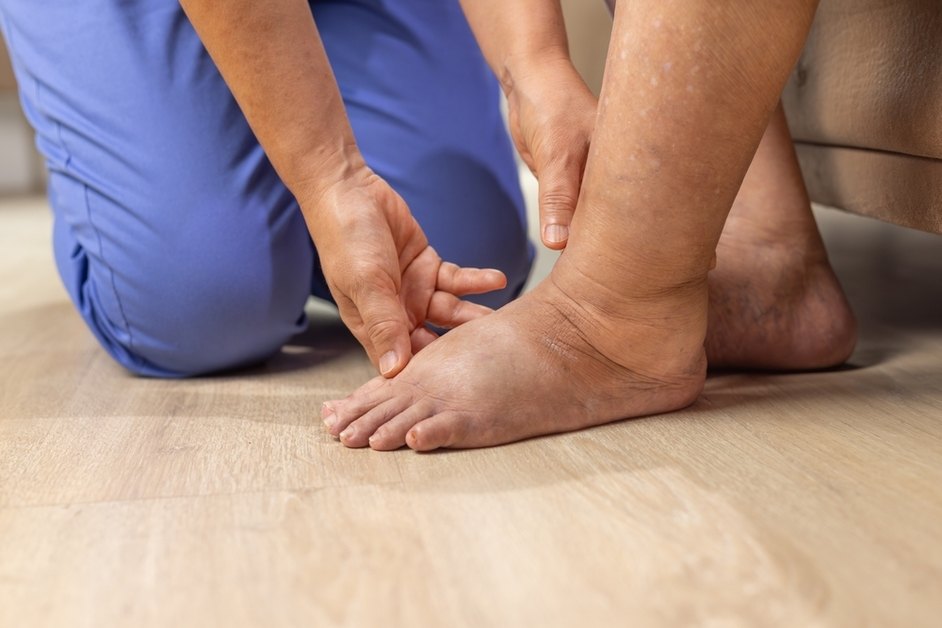
It usually happens when swelling has built up to the point where the tissues are under pressure and the skin simply can’t hold everything in anymore.
You might notice:
-
clear or straw-coloured fluid
-
skin that feels constantly damp or cold
-
patches that won’t stay dry
-
fragile or weeping areas
Sometimes people hear it called “wet legs” — not a medical term, but very real.
This is the bit that matters (and often gets missed)
It’s easy to dismiss this as “just fluid”.
But lymph fluid isn’t empty.
It contains proteins, waste products, immune cells — all the things your body is trying to move and manage.
When that fluid sits in the tissues:
-
it draws more fluid in
-
it thickens and changes the tissue over time
-
it can stress and weaken the skin
And when it starts leaking?
The skin barrier is already struggling.
A useful clinical nugget:
People with chronic oedema have a significantly higher risk of cellulitis, and one study suggests around one-third will experience it at some point.
So this isn’t about panic — but it is about paying attention.
Who tends to experience lymphorrhoea?
Lymphorrhoea doesn’t usually appear out of nowhere.
It’s most often linked to long-standing swelling — particularly:
-
lymphoedema
-
chronic oedema
-
venous and lymphatic overload
You might see it more in people who:
-
have reduced mobility
-
have had cancer treatment (especially lymph node removal or radiotherapy)
-
live with obesity, diabetes or heart conditions
-
have ongoing leg swelling that comes and goes
Another important perspective:
The NHS estimates over 200,000 people in the UK are living with lymphoedema — and many more with chronic oedema that isn’t always labelled.
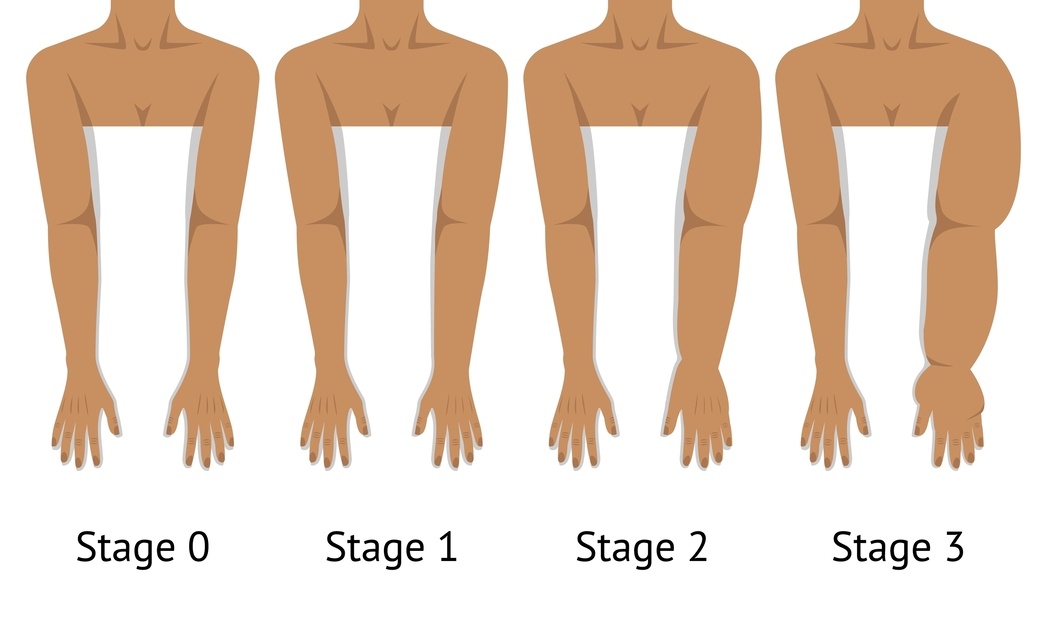
In breast cancer alone, around 1 in 5 people (21.4%) may develop long-term arm swelling.
So this is not rare. It’s just often under-recognised and under-explained.
Why leaking fluid is a turning point
In clinic terms, lymphorrhoea is often a sign that:
The system is overloaded The skin is under pressure
Support is needed sooner rather than later
The challenge is not just the fluid.
It’s that constant moisture can:
-
soften and break down the skin
-
increase infection risk
-
make dressings difficult to manage
-
affect confidence and daily life
And this is the bit people don’t always say out loud…
It can feel upsetting. Embarrassing. Limiting.
So what actually helps?
This is where we gently shift the thinking.
It’s not about “stopping the leak” on its own.
It’s about supporting the whole system.
That often includes:
-
compression (when appropriate and guided)
-
protecting the skin
-
managing moisture safely
-
encouraging gentle movement and circulation
-
specialist input where needed
Clinical reminder:
In lymphoedema care, approaches like compression, skin care, movement and manual techniques are the foundation — not quick fixes, but steady support.
When to get help quickly
Please don’t sit on this if something doesn’t feel right.
Especially if you notice:
-
redness or heat
-
increasing pain
-
a change in smell
-
sudden increase in swelling
-
feeling unwell or feverish
Those can be signs the skin is struggling or infection is developing — and early help makes a big difference.
My take (and this is the honest bit)
When fluid starts leaking, it can feel like things have gone “too far”.
But I don’t see it like that.
I see it as the body saying:
“I need help managing this now.”
Not failure.
Not something you’ve done wrong.
Just a system that’s overloaded.
And the earlier we support it, the more we can often settle things.

If this is you
If you’re noticing:
-
swelling that feels heavy or tight
-
skin changes
-
fluid leaking or damp patches
please get it checked.
You don’t have to manage it alone, and you don’t have to wait until it gets worse.
I support people with lymphatic health, swelling, scar recovery and gentle movement in
Clacton-on-Sea, Bury St Edmunds, Essex and Suffolk.
You may find these articles interesting: