
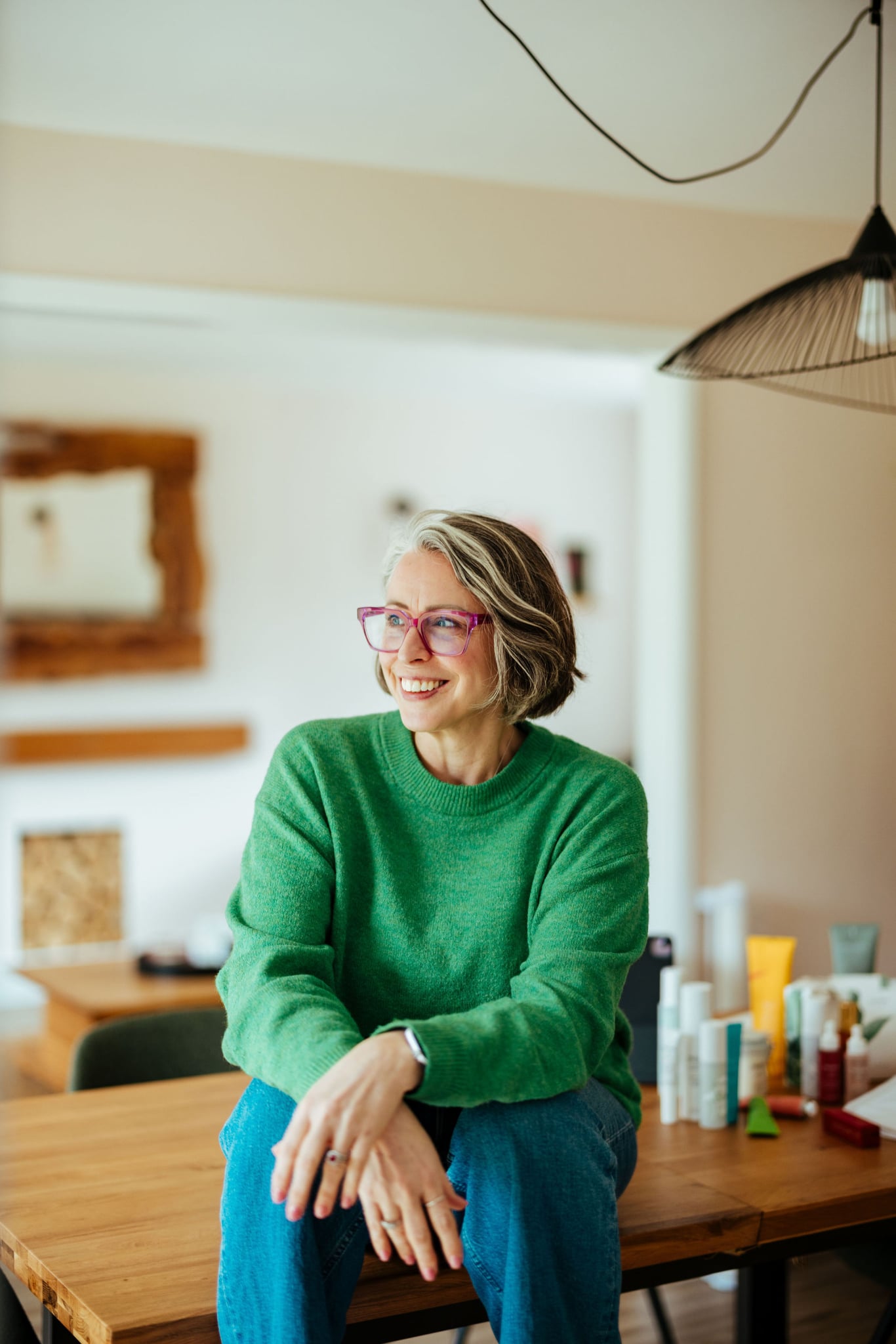
A Conversation with Tropic Skincare Ambassador Lauren Derrett
Pieces of the Puzzle
One of the things I have learnt over the years working with people after surgery, cancer treatment and long periods of recovery is that healing never happens in one place.
It happens in pieces.
Movement is one piece.
Scar care is another.
Lymphatic health is another.
Emotional confidence is another.
And sometimes something as simple as taking care of your skin again can be part of that process.
I loved popping along to Lauren for a little facial and to try of some of the Tropic range. I have integrated these into my skincare routine.
Lauren, Your Story
Tell us a little about you. What drew you to become a Tropic ambassador?
I was looking for clean skincare because I was very conscious of the toxins found in many high-street skincare products and I wanted to reduce or eliminate toxins from my daily life.
Tropic is 100% natural or naturally derived, certified organic, vegan and made in the UK, so it ticked every box for me.
I initially became a customer, but after closing my previous business because it had outgrown me, I decided Tropic would be a great replacement. It allowed me to build something flexible where I could work as much or as little as life allowed.
What does your work look like locally?
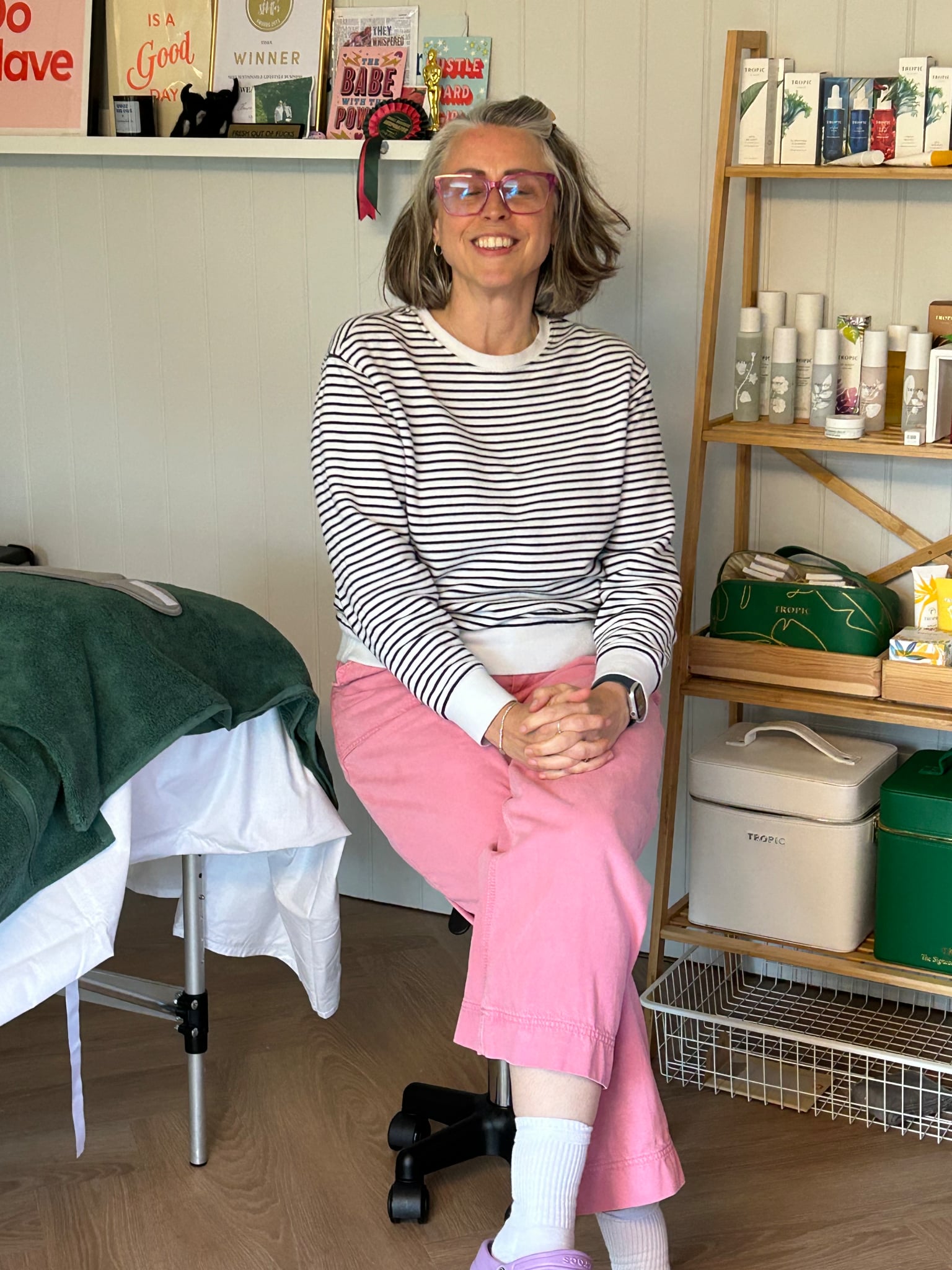
I welcome women into my home salon for one-to-one skincare consultations where we build a natural skincare routine tailored to their lifestyle and skin concerns.
I also support women who want to build a skincare business for themselves around their existing commitments, helping them earn extra income and grow in confidence.
What do you love most about supporting people with skincare?
Helping women understand skincare.
When people understand their skin and start caring for it properly, something shifts. Their confidence grows and they often fall a little bit back in love with themselves.
Sometimes it’s simply about creating a small daily ritual — a few minutes spent nurturing yourself with products that support your skin rather than overwhelm it.
About Tropic
For anyone who hasn’t heard of Tropic, what makes the brand different?
Tropic has a 10% For The World pledge, which means 10% of all profits are donated to causes working towards a healthier, greener and more empowered world.
Some of the charities and initiatives supported include:
-
United World Schools – building schools in Cambodia, Nepal and Madagascar
-
The Prince’s Trust Women Supporting Women initiative
-
The Winnie Mabaso Foundation supporting vulnerable children affected by HIV
-
The Trussell Trust tackling food poverty in the UK
-
Pride in London
-
Reef Restoration Foundation
Tropic has also partnered with Skcin, the UK’s national skin cancer charity.
Through this partnership ambassadors can access MASCED, the UK’s first melanoma and skin cancer awareness training programme designed for professionals in the beauty, hair and health industries.
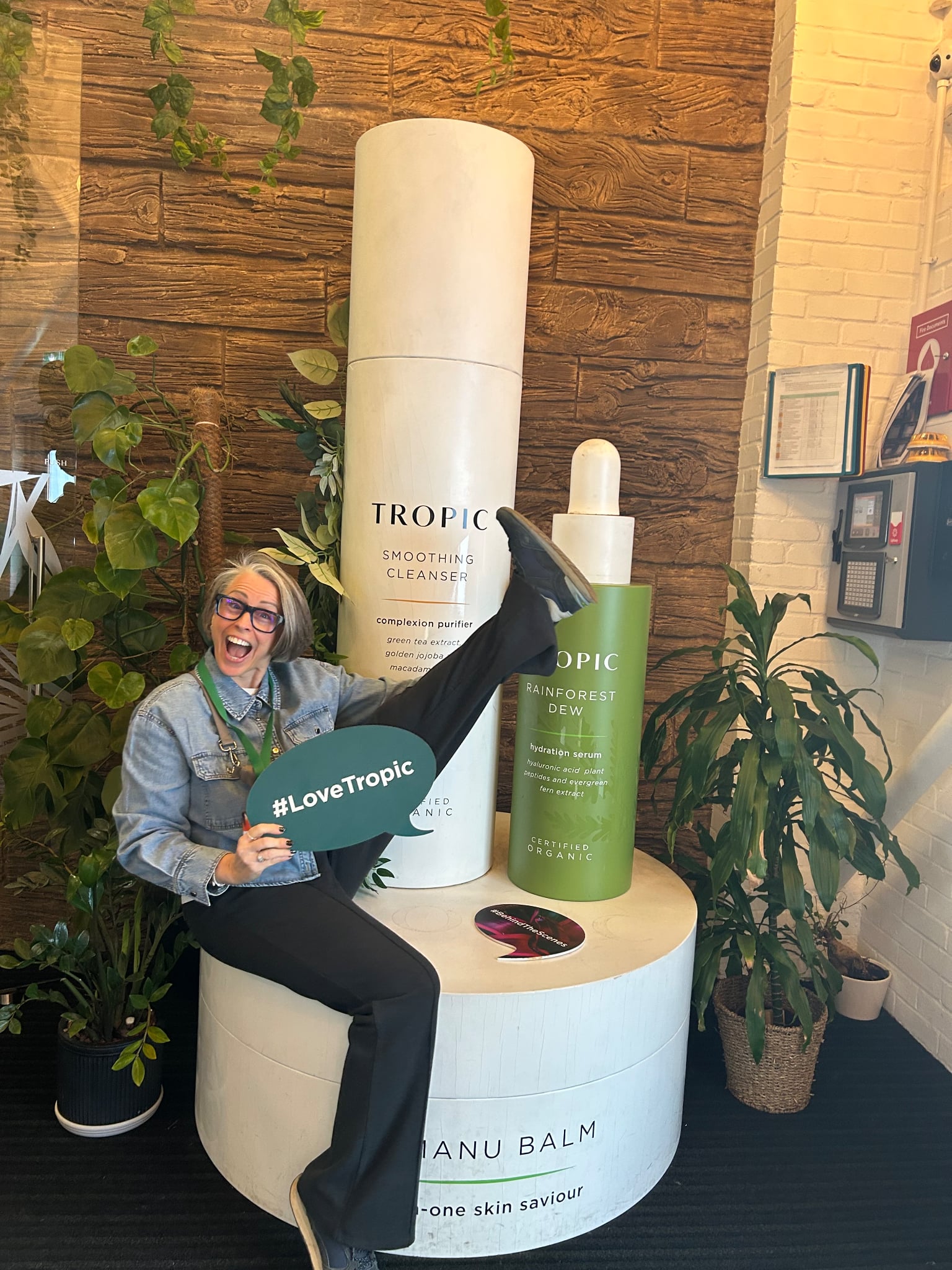

Is there dermatological testing behind the suncare range?
Yes. Tropic’s sun care products are dermatologically tested and designed for all skin types, including sensitive skin.
Key features include:
• Broad spectrum protection from UVA and UVB rays
• Dermatologically tested and non-comedogenic
• Reef-safe and cruelty free
• SPF testing using recognised international methods (COLIPA, JCIA and CTFA-SA)
Tropic was also the first brand in Europe independently verified by Protect Land + Sea to confirm the formulas contain zero ingredients known to harm marine ecosystems.
The mineral filters used are zinc oxide and titanium dioxide, both non-nano, widely considered among the safest sunscreen ingredients for both people and the environment.
The formulas also contain calming and protective ingredients including:
-
resveratrol from red grapes
-
green algae
-
vitamin E
-
tamanu oil
-
aloe vera
-
calendula extract
-
bisabolol
All chosen to help support skin protection and recovery after sun exposure.
Research consistently shows why this matters.
Up to 90% of visible skin ageing is caused by sun exposure, according to the Skin Cancer Foundation, and daily use of SPF 30 or higher can reduce melanoma risk by around 40% (Cancer Research UK).
Suncare After Cancer Treatment
This is where our conversation becomes especially relevant for many of the people I work with.
Why can skin become more vulnerable after cancer treatment?
Chemotherapy, radiotherapy and surgery can all affect the skin in different ways.
The skin barrier can become thinner, more reactive and slower to repair. Radiotherapy in particular can leave skin fragile for a long time afterwards.
People often notice:
• increased dryness
• sensitivity
• pigmentation changes
• delayed healing
• scar tissue vulnerability
Sun exposure can aggravate all of these issues, which is why protection becomes part of long-term recovery.
What should people look for in a suncream after treatment?
Lauren suggests choosing products that are:
• gentle and fragrance free
• designed for sensitive skin
• hydrating rather than drying
• dermatologically tested
• broad spectrum (UVA and UVB protection)
Texture matters too. If something feels heavy, greasy or irritating, people are less likely to use it regularly.
Consistency is the real key.
Are mineral filters preferable for sensitive skin?
Mineral filters such as zinc oxide and titanium dioxide sit on the surface of the skin and reflect UV radiation rather than absorbing it.
Because of this they are often better tolerated by sensitive or compromised skin, particularly after medical treatment.
Many dermatologists recommend mineral sunscreens for people with reactive skin conditions for exactly this reason.
How does Tropic protect skin without irritation?
Tropic’s sun care products combine mineral filters with soothing ingredients designed to calm and hydrate the skin.
Ingredients like aloe vera, calendula and tamanu oil help support the skin barrier while antioxidants such as vitamin E and resveratrol help protect against environmental stress.
For people whose skin has become more sensitive, that balance can make daily protection feel far more comfortable.
SPF 30 vs SPF 50 – What’s the Real Difference?
SPF numbers can be confusing.
Lauren explains it simply.
SPF 30
Provides strong daily protection while remaining lighter and more comfortable on the skin. It works well as part of a daily routine when sun exposure is moderate.
SPF 50
Provides higher protection and is recommended during long periods outdoors, peak summer sun or holidays.
The most important point?
Reapplication.
Suncream should be reapplied roughly every two hours, especially after swimming, sweating or towel drying.
Sun Protection and Scar Healing
From my perspective as someone working with scar therapy, Manual lymphatic Drinage and post-surgical recovery, this is where sun protection becomes particularly important.
Fresh scars are extremely sensitive to UV light.
Sun exposure can lead to:
• darkening of scar tissue
• delayed healing
• thickened or raised scars
• long-term pigmentation changes
When applying suncream to scar areas:
• choose gentle products
• avoid heavy fragrance
• reapply frequently
• protect scars for at least 12 months after surgery
It’s a small step that can make a big difference to long-term scar appearance.
Collaboration Matters
One of the things I always try to emphasise through these interviews is that recovery rarely happens through one practitioner alone.
Lauren has also seen the importance of collaboration.
Many Tropic ambassadors support the charity Look Good Feel Better, running skincare workshops for people living with cancer.
These sessions help people regain confidence and reconnect with their bodies during a very difficult time.
Top Three Sun Safety Tips After Treatment
Lauren’s advice is simple and practical.
-
Wear SPF every day, not just on holiday
-
Reapply regularly, particularly in summer
-
Protect healing skin and scars carefully
Sun protection is not just about aesthetics — it is part of long-term skin health.
Thinking of the Person as a Whole
At the end of our conversation I asked Lauren a question I often ask interview guests.
If we think about recovery as a whole-body process, who belongs in that team?
For many people it might include:
• their GP or medical team
• physiotherapists
• lymphatic therapists
• movement specialists
• skincare professionals
• nutrition support
• mental health support
• supportive communities
Because recovery rarely happens in isolation.
It happens when people are supported from multiple directions — each practitioner bringing their own piece of the puzzle.
If you would like advice on natural skincare or sun protection, Lauren is based locally in Frinton, Essex.
You can find her here: