
Why Does My Arm Feel Heavy After Cancer Treatment?
It’s one of the most common things people mention quietly in clinic:
“My arm just feels… heavy.”
Sometimes there’s no swelling you can see.
No redness.
No pain.
Just a strange sense that something doesn’t feel quite right.
Your watch might feel tighter.
Your sleeve may leave an imprint.
You might notice your rings are harder to remove by the end of the day.
And then comes the question:
Is this normal? Or is this the start of lymphoedema?
First things first — heaviness is a recognised early symptom
After cancer treatment — especially when lymph nodes have been removed or treated with radiotherapy — your arm, shoulder or chest may:
-
ache
-
feel tight
-
feel full
-
or feel heavy
Sometimes this can happen before any swelling is visible
Early lymphoedema symptoms can include:
-
a feeling of heaviness
-
tight skin
-
aching
-
tingling
-
clothing or jewellery feeling tighter than usual
Some people notice these changes months or even years after treatment has finished
So if you’re experiencing heaviness — you’re not imagining it.
Understanding and Supporting the Lymphatic System
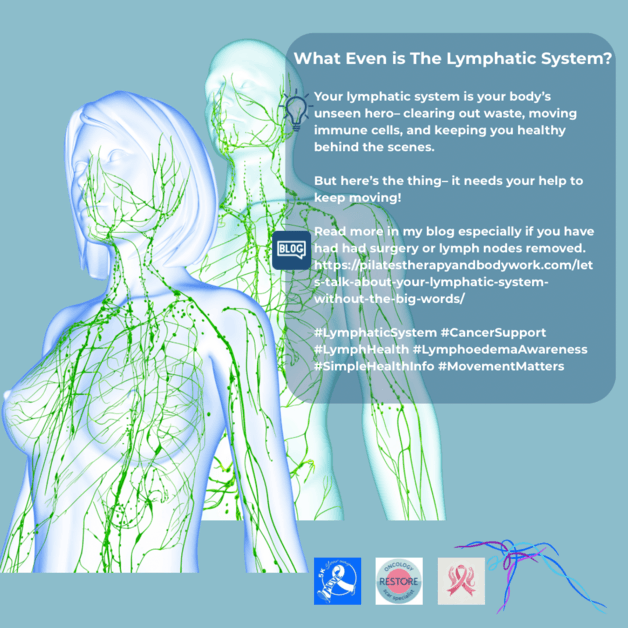
“if you’d like to understand how this works…”
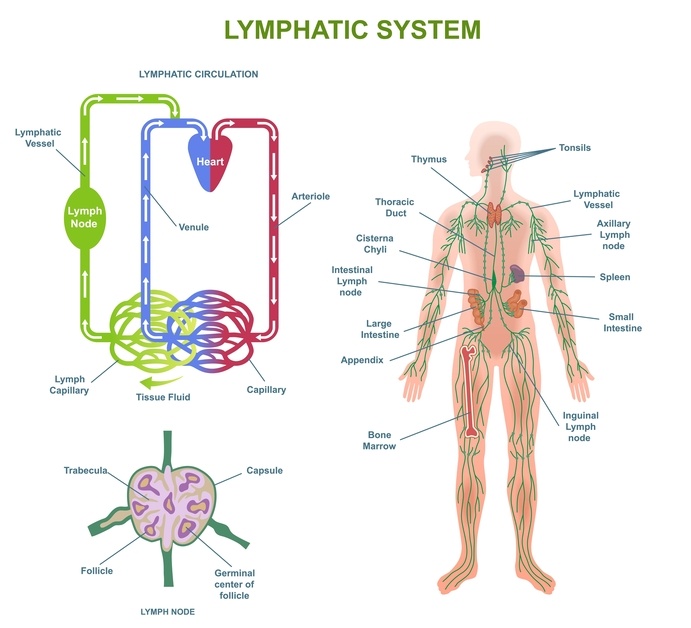
“You can read more about how the lymphatic system works here.”
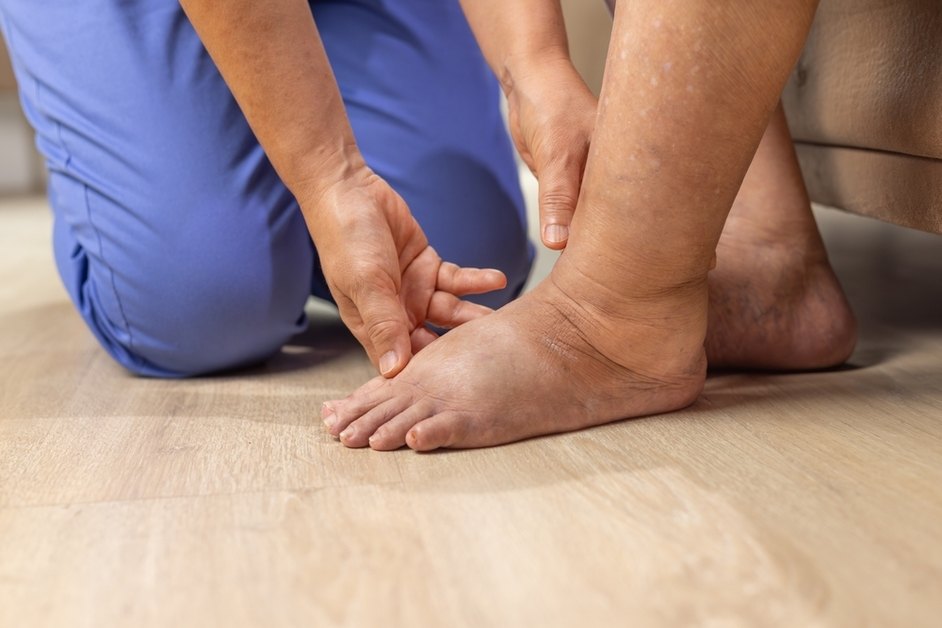
Why might your arm feel heavy?
There are a few different reasons this might happen after treatment.
Sometimes the lymphatic system is:
• Temporarily overwhelmed
After activity, flying, gardening, exercise, heat, or even illness, your lymphatic system may simply be dealing with more fluid than usual for a short time.
In these situations, symptoms might:
-
come and go
-
settle overnight
-
improve with rest or gentle movement
• Or its capacity has changed
Cancer treatments such as:
-
surgery involving lymph node removal
-
radiotherapy to the underarm or chest
can affect how easily fluid drains from the arm.
When lymph fluid can’t drain in the normal way, it may begin to collect in the tissues, leading to:
-
heaviness
-
tightness
-
aching
-
reduced movement
This is how lymphoedema can begin
Scar Therapy After Cancer Treatment
“Scars can sometimes affect how fluid moves through tissues — you can read more about that here.”
“But I can’t see any swelling…”
That’s really common.
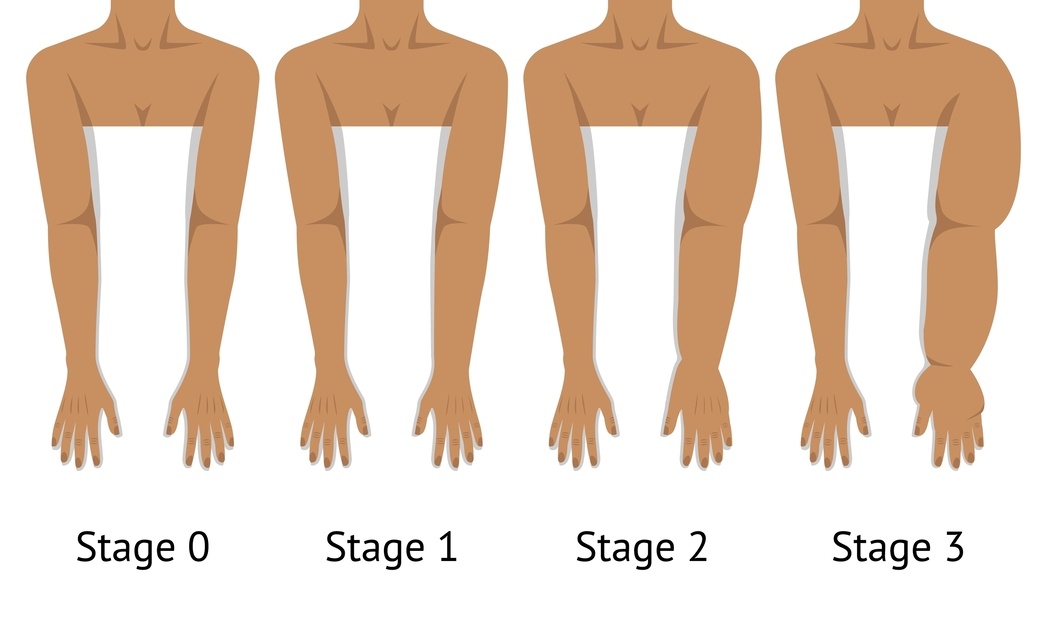
In the early stages, swelling may:
-
be very mild
-
come and go
-
only affect part of the arm
-
or not be visible at all
Many people describe:
“It just feels different.”
You may also notice:
-
bra or clothing straps leaving marks
-
sleeves feeling tighter on one side
-
jewellery not fitting as usual
-
stiffness in fingers, wrist or shoulder
Manual Lymphatic Drainage (MLD)
“Some people are offered specialist support such as Manual Lymphatic Drainage (MLD).”
When should you get advice?
It’s worth speaking to your GP, breast care nurse, or lymphoedema specialist if:
-
heaviness doesn’t settle
-
symptoms keep returning
-
swelling appears
-
your arm feels tight or uncomfortable
-
or movement becomes more difficult
Early advice can make a real difference — picking up changes early often means they are easier to manage
Noticing something early doesn’t mean you’ve done anything wrong
Many people worry they’ve:
-
lifted something they shouldn’t
-
exercised too much
-
slept awkwardly
-
or “caused” a problem
But lymphoedema can develop gradually and unpredictably after treatment
Being aware of changes simply helps you respond earlier — not blame yourself.
What can help?
Depending on what’s happening, early support might include:
-
movement advice
-
skin care
-
or specialist treatments such as
Manual Lymphatic Drainage (MLD)
The aim is usually to:
-
support fluid movement
-
reduce build-up
-
and prevent longer-term tissue changes
Final thoughts
A heavy arm after cancer treatment doesn’t always mean lymphoedema.
But it is something worth noticing.
If something feels different — even if you can’t see it — it’s okay to ask questions and seek advice.
Understanding what your body is telling you is often the first step towards:
• safe movement
• confidence
• and long-term wellbeing after treatment
Please get in touch to book an appointment for Specialist MLD or guided movement. You can call me 07767 384983 or email fi@therapyinmotion.co