
Many men find it difficult to ask for help after cancer treatment — and it’s something I’ve seen more and more in clinic.
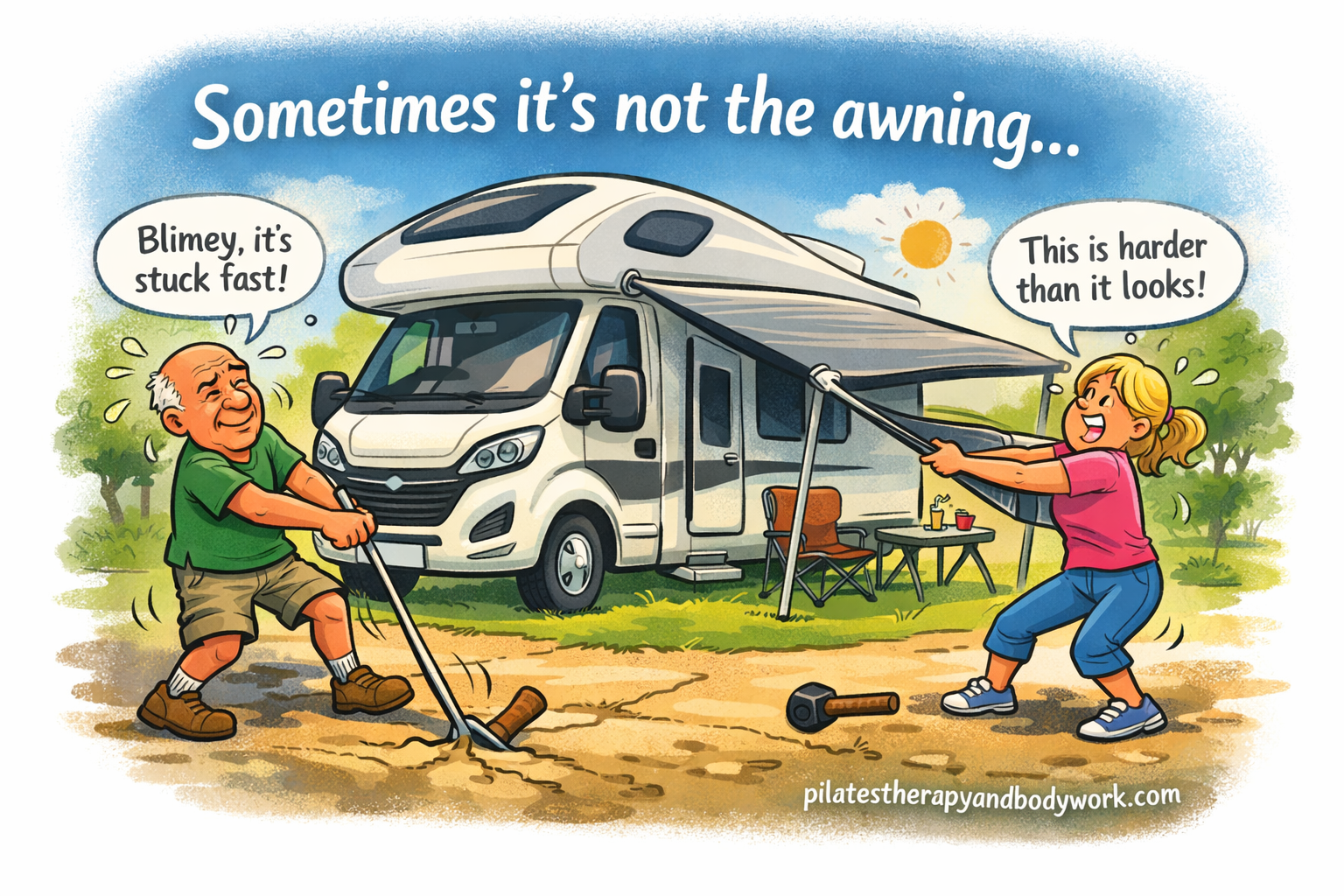
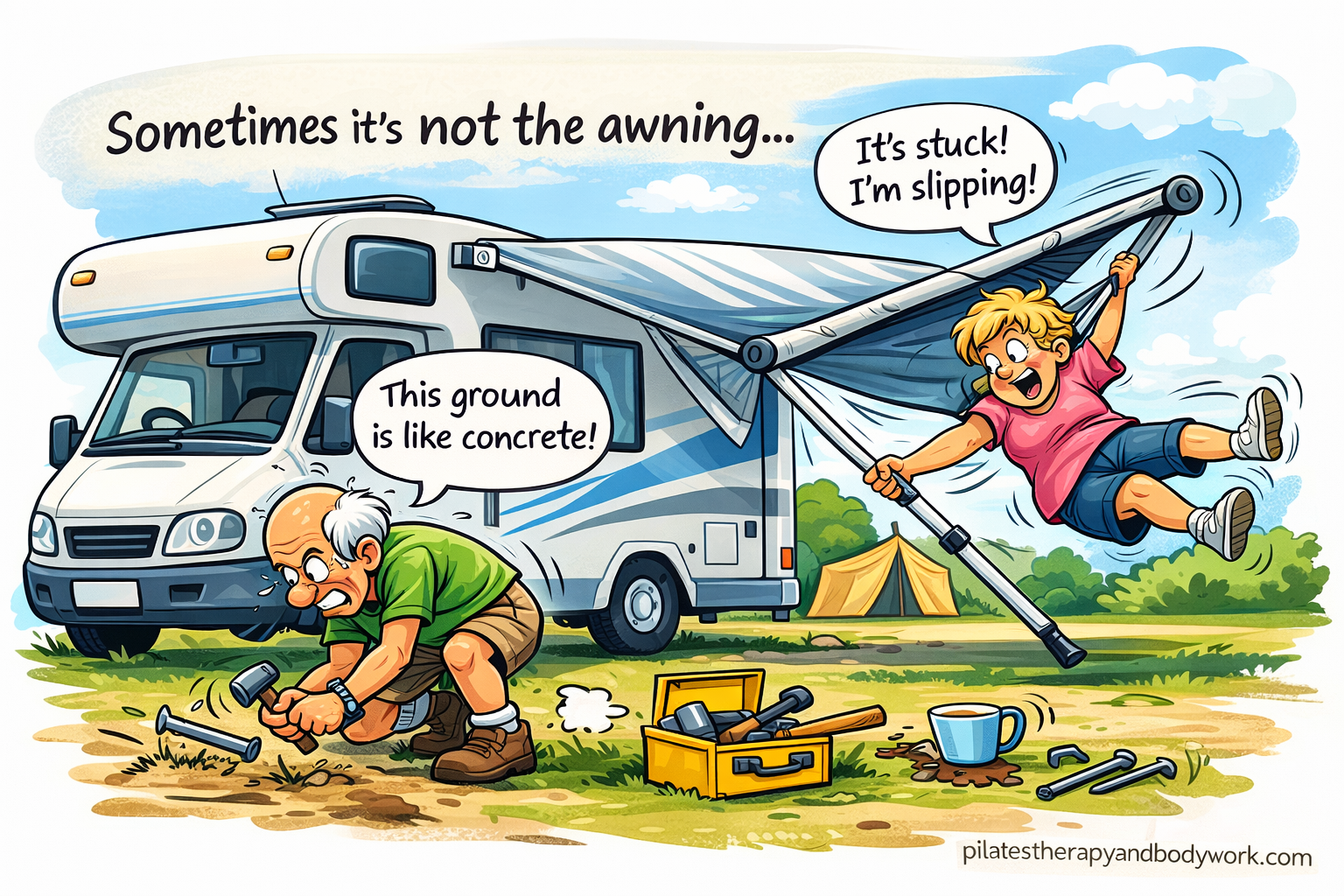
You wouldn’t think a campsite awning would turn into a life lesson… but here we are.
We pulled up, all ready, kettle not far from boiling, and then…
the ground was like concrete.
Now normally, this is where a bit of teamwork, a bit of problem-solving, maybe even a laugh with the staff comes in.
But this time, it didn’t.
And it got me thinking.
The Bit People Don’t See
My husband is 76.
He’s also had bowel surgery, radiotherapy, and chemotherapy.
What you don’t see when you look at him:
-
the balance changes
-
the muscle weakness
-
the fatigue that can come out of nowhere
-
the way tissues just don’t respond like they used to
-
the brain fog, the “what did I just come over here for?” moments
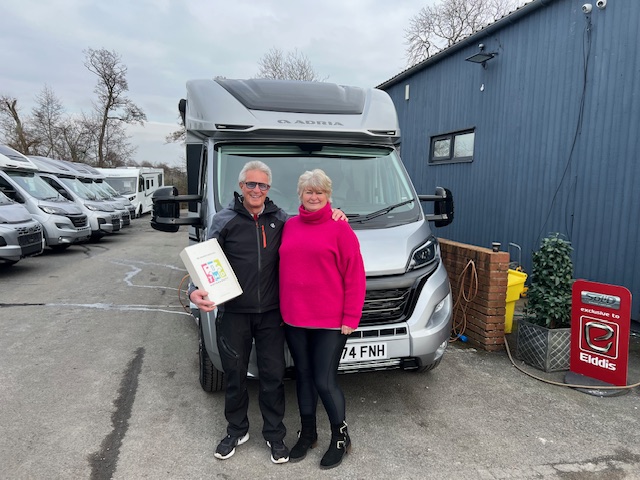
And yet… outwardly, he looks like a man who should be able to put an awning up.
So when the ground wouldn’t budge, and help wasn’t really offered, something subtle happened.
He kept trying.
Because that’s what men do.
(And let’s be honest… there’s also a deeply ingrained belief that if you just try a bit harder, the awning will eventually respect your determination and go in by itself. It didn’t.)
“I Should Be Able to Do This”
This is the bit we don’t talk about enough.
After cancer treatment, there’s a quiet shift:
-
strength changes
-
confidence dips
-
the body doesn’t behave the way it used to
But for many men, there’s also something else:
a sense that asking for help somehow means losing something
Strength.
Independence.
Identity.
There’s a quiet, unspoken rule somewhere that says:
“If you ask for help, you’ve clearly failed as a man.”
Absolute nonsense of course…
but it’s amazing how loud that voice can be.
So instead of saying, “Actually, I could do with a hand here”
they push through.
Even when it’s harder.
Even when it’s not safe.
And Then There’s the Other Side…
The second thing happened at the motorhome dealership.
Questions were asked.
Some of them repeated.
And instead of patience… there was frustration.
But here’s the thing:
-
chemo can affect memory
-
fatigue affects concentration
-
surgery affects strength
-
pain changes how someone moves and thinks
So what looks like:
“asking the same thing again”
…might actually be:
someone doing their best to understand, while their brain is still recovering
A Little More Awareness Goes a Long Way
This isn’t about blaming anyone.
It’s about awareness.
Because if you’ve never experienced cancer treatment — directly or alongside someone — you simply don’t know what it leaves behind.
And what’s left behind isn’t always visible.
And just to be clear — this isn’t about turning every campsite into a full support service with tea, sympathy and a small army of helpers…
…but maybe just someone noticing that the ground is basically concrete and offering a mallet without a sigh would be a good start.
A Gentle Nudge (With a Bit of Reality)
Maybe we need to normalise a few things:
Men saying:
“I’ve had surgery — can you give me a hand with this?”
Businesses responding with:
“Of course — let’s sort it together.”
And all of us remembering:
Not everyone who looks “fine”… is functioning at full capacity.
The Bigger Picture
This isn’t just about awnings or motorhomes.
It’s about:
-
dignity
-
communication
-
understanding what people carry with them after treatment
We don’t need grand gestures.
Just a bit more noticing.
A bit more patience.
And maybe fewer eye-rolls when someone asks the same question twice.
A Thought to Leave You With
Strength doesn’t always look like lifting, pushing, or doing it alone.
Sometimes it looks like:
asking
explaining
accepting support
And that’s something we could all get better at — on both sides.
If you or someone you care about is navigating life after cancer — whether that’s fatigue, strength changes, swelling, or just not feeling quite like yourself — you’re not alone.
I offer gentle, specialist support through movement, Manual Lymphatic Drainage, and hands-on therapies in Clacton-on-Sea, Bury St Edmunds, Essex and Suffolk.
Sometimes the first step isn’t doing more…
it’s finding the right kind of support.
Final thought
And just for the record…
we did eventually get the awning up.
It just took a bit longer… and possibly a slightly bigger hammer.