

Why Early Signs of Lymphoedema Matter More Than You Think
There’s a sentence I hear a lot in clinic.
“It’s probably nothing… it just feels a bit heavy.”
No obvious swelling.
No dramatic change.
Just a feeling.
And this is where it gets important.
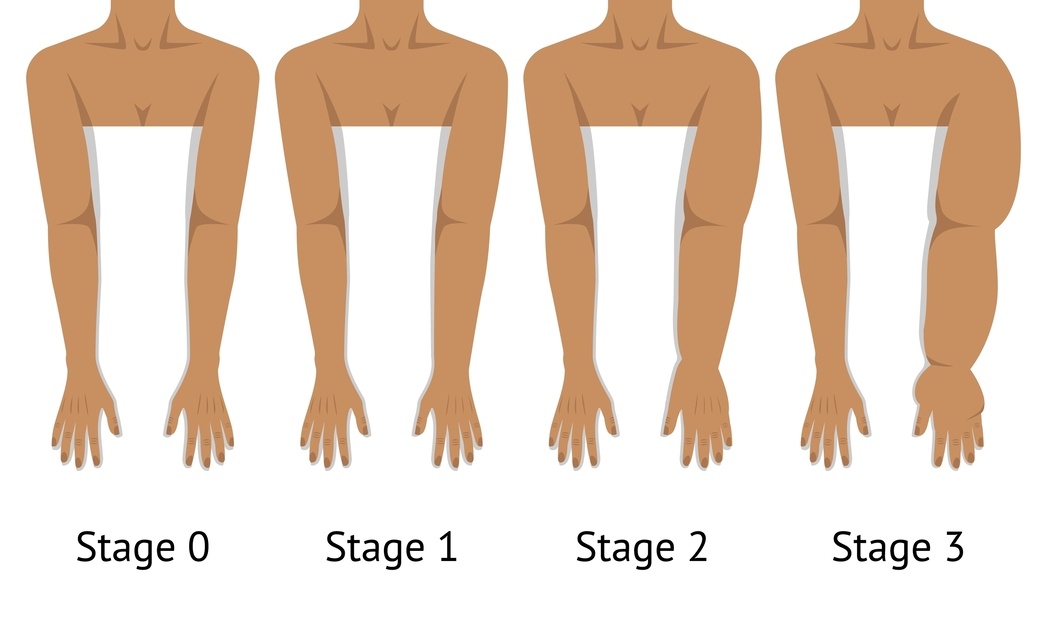
Because lymphoedema doesn’t always start with swelling
It can begin quietly:
- a feeling of heaviness
- tightness in a sleeve or trouser leg
- jewellery feeling different
- a sense that something “isn’t quite right”
And often, people wait.
Because they don’t want to make a fuss.
Because they assume it’s normal.
Or because no one clearly explained what to look for.
If you’ve ever wondered whether swelling is “just fluid” or something more, these might help:
Fluid retention vs lymphoedema — what’s the difference?
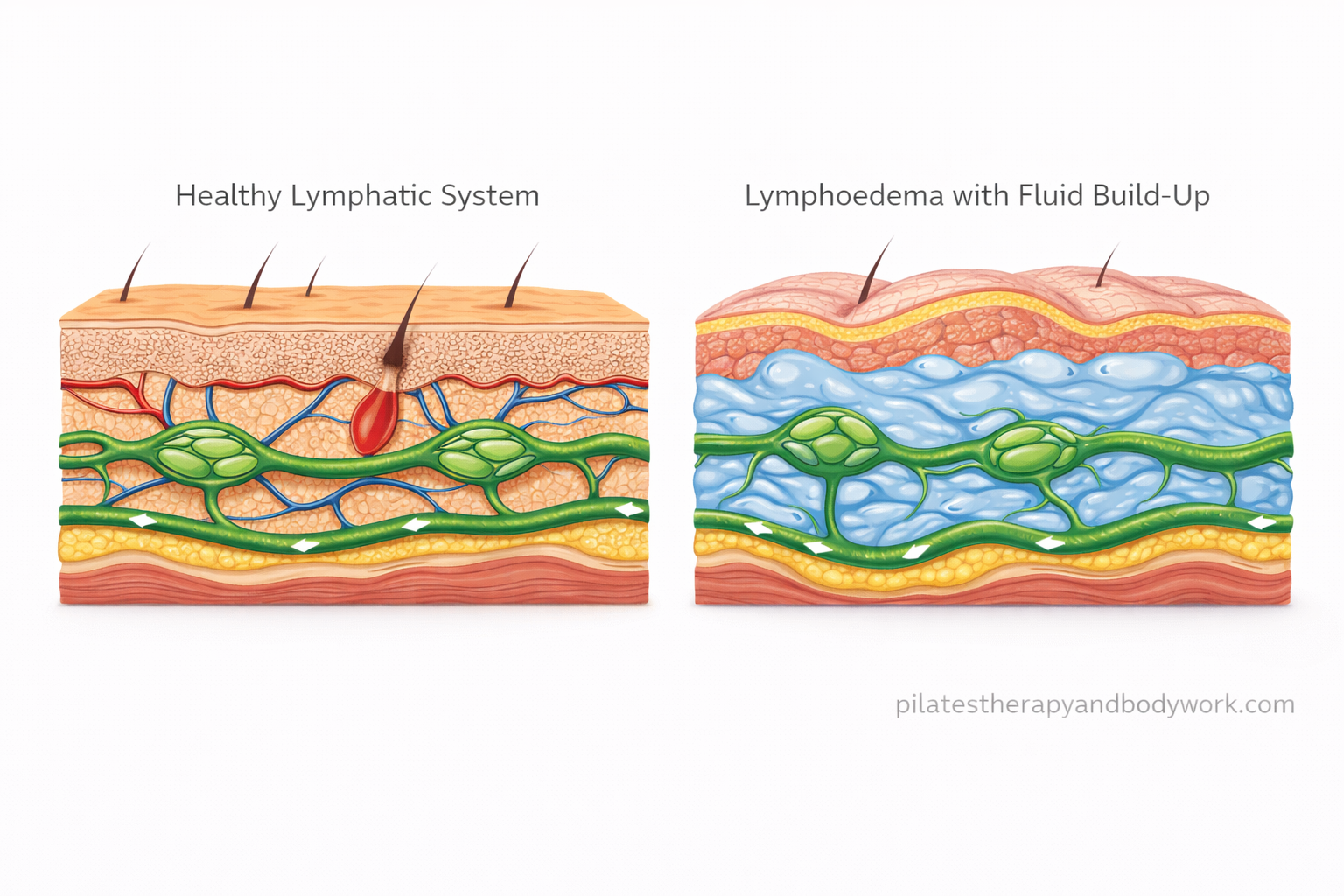
Why early recognition matters
Lymphoedema is a progressive condition.
That means:
the earlier it’s recognised, the easier it is to manage
Left unsupported, it can lead to:
- skin changes
- fibrosis (thickening of tissue)
- increased risk of infection (cellulitis)
And cellulitis matters.
In the UK, it’s one of the more common reasons for hospital admission related to skin infection, and it places a significant demand on NHS resources.
Early support doesn’t just help you — it helps prevent complications later.
The reality — not everyone leaves hospital with clear information
In an ideal world, everyone at risk of lymphoedema would be told:
- what it is
- what early signs feel like
- when to seek help
But in reality, this information can be:
- brief
- overwhelming at the time
- or simply not remembered
And that’s understandable.
When you’re going through treatment, you’re taking in a lot.
In one UK project looking at lymphoedema awareness:
- only 13% of people with lymphoedema were known to services
Understanding your body helps you act sooner
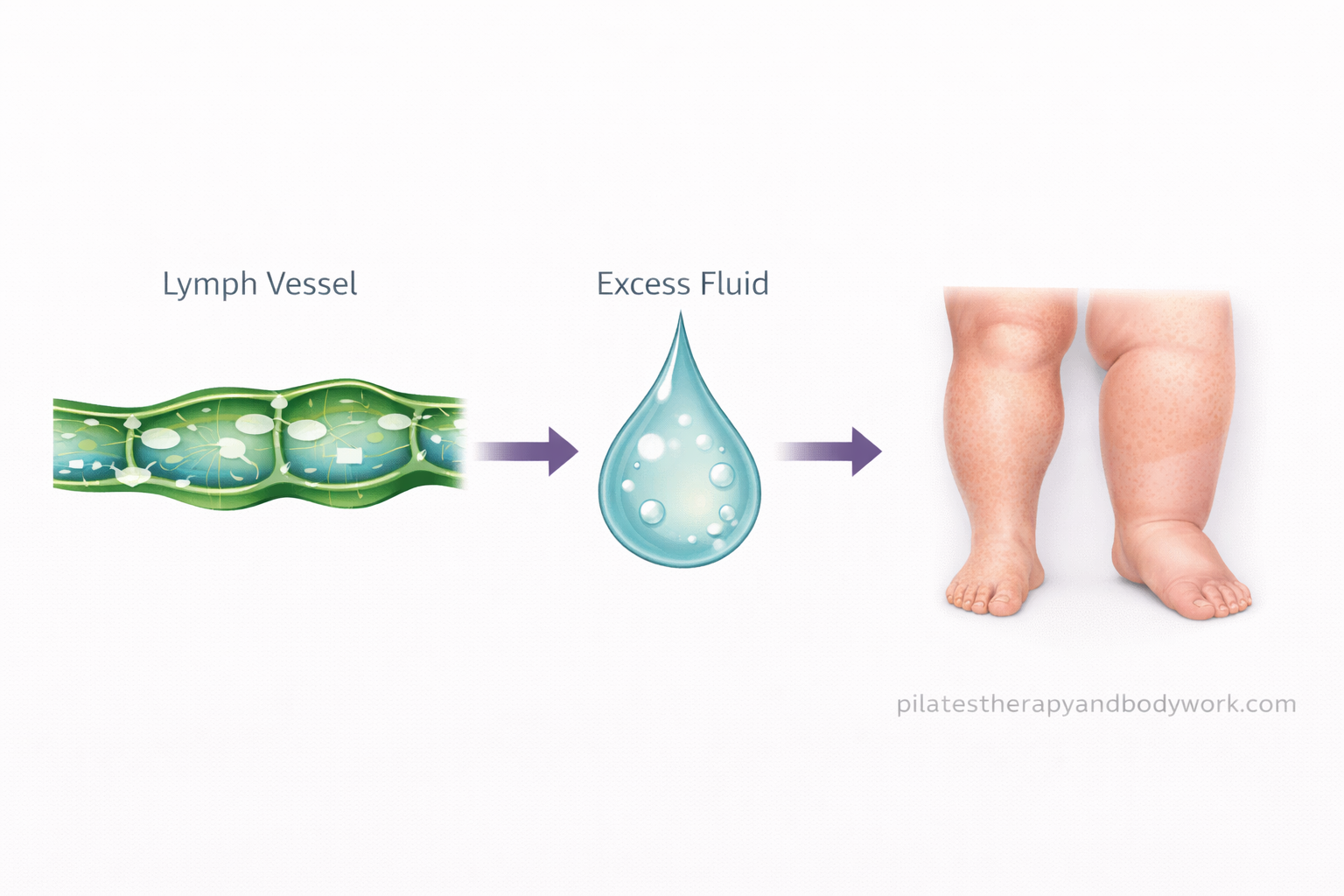
Your lymphatic system doesn’t work in isolation.
It’s influenced by:
- movement
- breathing
- connective tissue
- circulation
If you’d like a simple explanation of how this all works together:
What does the lymphatic system actually do?
And if you’ve ever noticed that some people swell more than others:
Why does my body swell more than others?
Because often, your body is giving you information — we just need to recognise it.
Why you might not be offered treatment straight away
Something I hear quite often is:
“They said it wasn’t bad enough to treat.”
And that can feel confusing.
Because your arm feels different.
Heavier.
Not quite right.
In the NHS, lymphoedema services are often prioritised for people with more established or complex swelling, where support is most urgently needed.
That doesn’t mean what you’re experiencing isn’t real.
And it doesn’t mean you should ignore it.
It simply means that early changes don’t always meet the threshold for specialist treatment straight away.
Why early changes still matter
Even if you’re not referred on straight away:
early signs are still important
Because this is the stage where:
- small changes are easier to manage
- skin and tissue are more responsive
- good habits can make a real difference
So rather than waiting for things to get worse, this is the time to:
- stay aware
- look after your skin
- keep moving
- and monitor any changes
“Not needing treatment yet doesn’t mean nothing is happening — it means this is your window to support your body early.”
What to do if something doesn’t feel right
If you notice:
- heaviness
- swelling (even mild)
- tightness or discomfort in one limb
don’t wait for it to become obvious
In the UK, your first step is usually your GP.
You can:
- explain what you’re noticing
- mention any surgery, radiotherapy, or treatment history
- ask whether monitoring or referral is appropriate
And it can really help to bring a few notes with you — what you’ve noticed, when it started, and how it’s changing.
What early support might look like
Early-stage support is often simple, but effective:
- education and reassurance
- skin care (keeping the barrier healthy)
- gentle movement and exercise
- monitoring changes over time
- compression (if appropriate)
Why monitoring matters
This is something I feel really strongly about.
Because when you can track what’s happening, you can:
- explain it more clearly
- feel more confident speaking to your GP
- be taken seriously earlier
And small changes matter.
A gentle but important shift
We often think healthcare starts when something is diagnosed.
But with lymphoedema, it starts earlier than that.
It starts with:
- noticing
- asking
- being listened to
And sometimes, gently advocating for yourself.
You are not “making a fuss”
This matters.
Because so many people hesitate.
But early action:
- can slow progression
- can reduce complications
- can make long-term management easier
And from a wider perspective:
early support doesn’t just help individuals
it supports the system as a whole
If something feels different in your body — especially after surgery, cancer treatment, or injury — trust that.
You don’t need to wait for it to become obvious.
“Early doesn’t mean overreacting.
It means giving yourself the best possible chance.”
If you need support
If you’re noticing heaviness, swelling, or changes in your body, you’re not alone.
I offer gentle, personalised support in:
Clacton-on-Sea, Essex
Bury St Edmunds, Suffolk
Where we look at the whole picture — not just the symptom.

Further reading & research
- Macmillan Cancer Support – Lymphoedema information and skin care
- British Lymphology Society – Commissioning guidance for lymphoedema services
- NHS resources on cellulitis and infection risk
- UK research on the economic and clinical impact of cellulitis