
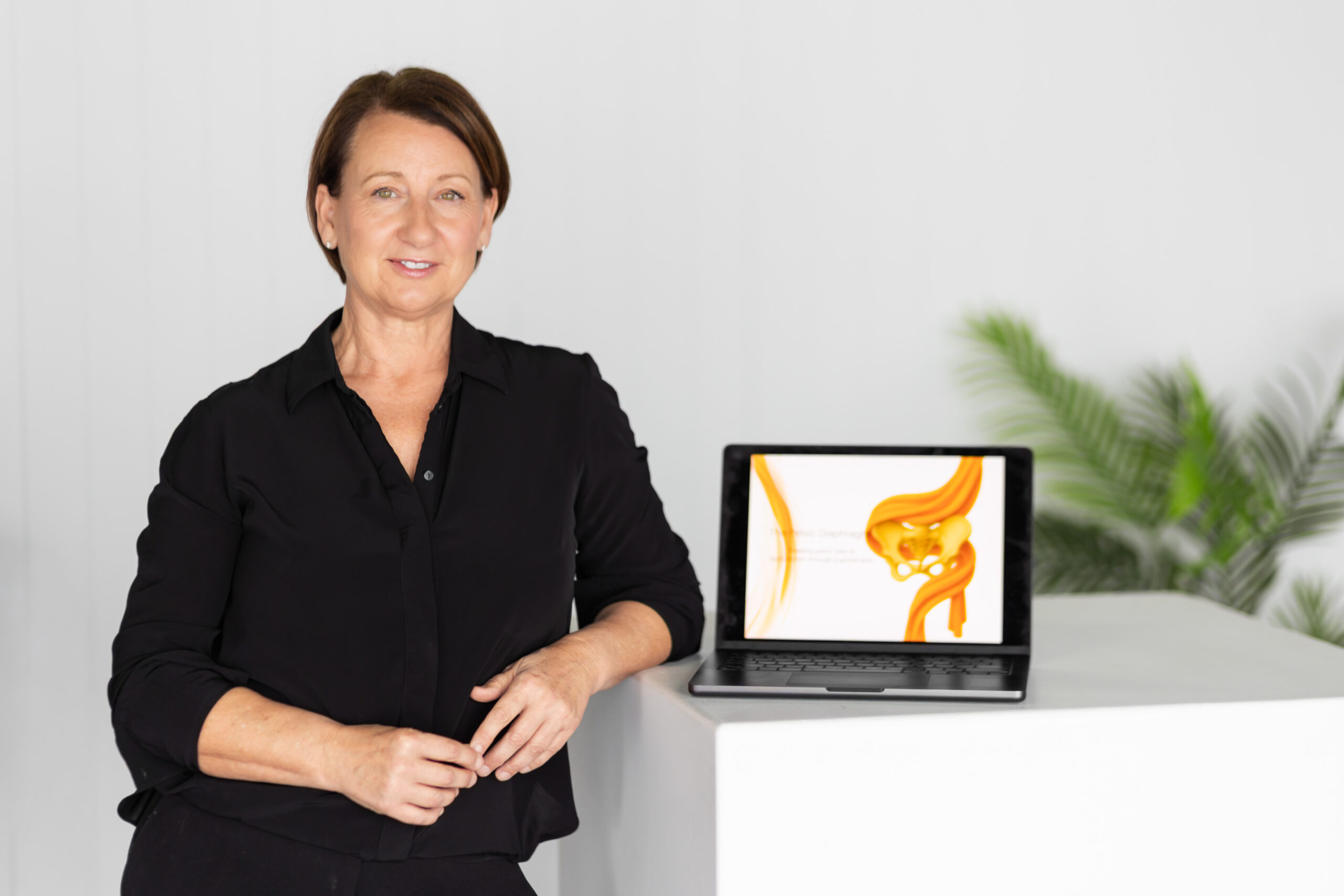
Serious Anatomy, Serious Joy
A conversation with Julie Hammond
Julie Hammond and I have laughed our way through anatomy labs, teaching rooms, travel days, and some very geeky conversations about fascia and pelvic anatomy. But underneath all that laughter sits something much deeper — serious professionalism, strong ethics, and a genuine respect for the people we work with.
Julie is one of the hardest-working women I know.
She is the Director of Anatomy Trains Australia and New Zealand, a global teacher, clinician, mentor, and now the author of The Pelvic Diaphragm. The Pelvic Diaphragm. Her work sits at the intersection of deep anatomical knowledge, clinical curiosity, and a belief that no single practitioner or modality has all the answers.
That belief — that each practitioner holds one piece of the puzzle — runs through everything Julie does.
Rather than competing, she actively builds communities of practitioners who share knowledge, collaborate across disciplines, and support one another to do better work for the people we serve.
Her new book, The Pelvic Diaphragm, reflects that philosophy. It is serious anatomy, yes — but written with curiosity, clarity, and the intention of helping practitioners see the body through a wider lens.
Julie has spent more than two decades in clinic and teaching around the world, and the book is very much shaped by that lived experience: real bodies, real dysfunctions, and the constant question that drives good clinicians — why?
Julie and I also co-founded the Balancing the Diaphragms workshop together — an idea that started in a dissection lab in Phoenix and grew out of our shared fascination with how the body works as a whole rather than in isolated parts.
This conversation explores Julie’s journey through anatomy, leadership, teaching, business, family life, and the creation of the book.
And like most good conversations with Julie, it contains a mix of deep anatomy, honesty, laughter, and the occasional reminder that sometimes the best learning happens when we stop trying to do everything ourselves and start working together.

Who Is Jules?
If someone met you outside a classroom first — before titles and credentials — what would you hope they’d notice about you?
Julie:
I am a very down-to-earth, honest person — what you see is what you get. I am an introvert but love to talk about my passion, which is my work and anatomy. I am also just a very hard-working mum and grandmother with strong work ethics.
What still lights you up about anatomy after all these years? What hasn’t gone stale?
Julie:
For me, anatomy is a lifelong journey. There is always something else to learn — the more you know, the more you realise you don’t know.
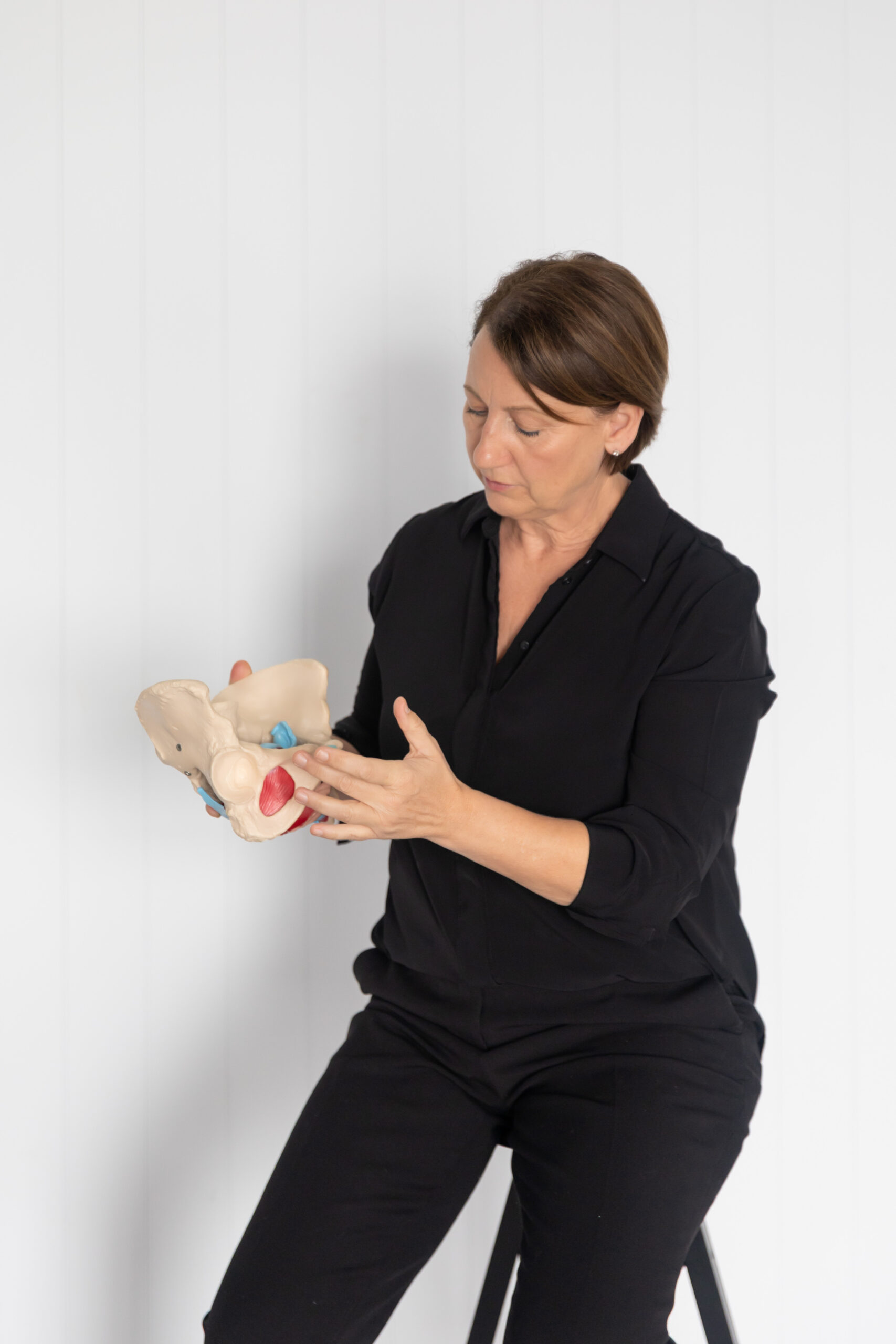
I get excited when I see old anatomy images and collect anatomy books. I have a memory of dissecting the pelvic diaphragm and kneeling on the floor beside Tom Myers and Karin Gurtner admiring this amazing structure.
Long-term work and leadership
You’re the Director of Anatomy Trains Australia and New Zealand — what does that role actually involve day to day?
Julie:
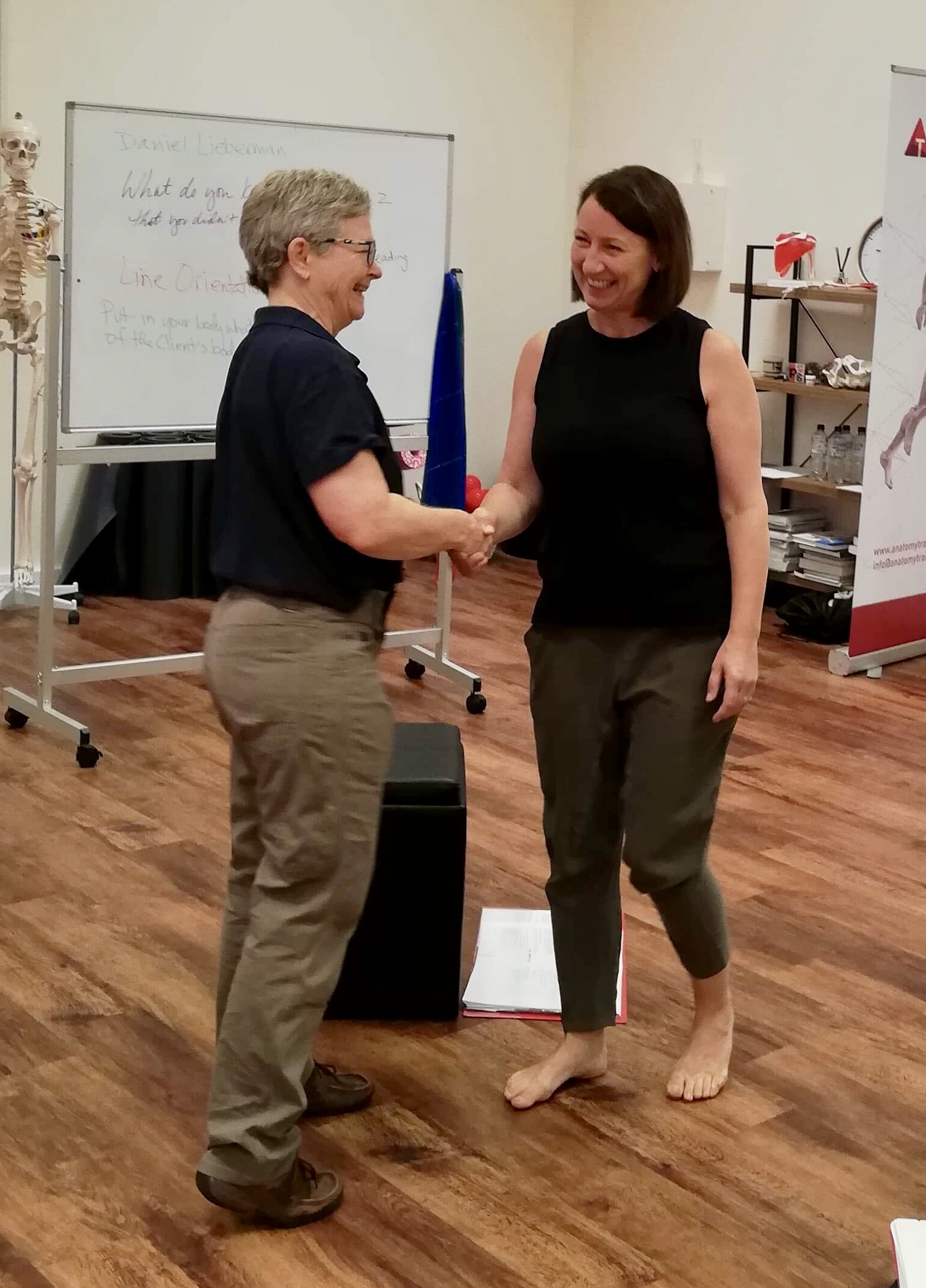
We are a small team so I am a jack of all trades. I run my teaching team and organise their workshops and travel. I update teaching material, rewrite slideshows, organise marketing material and plan our yearly workshop schedule — all while teaching my own workshops and running my clinical practice.
My days are long and often include late-night Zoom meetings with hosts and the global American company.
What kind of leader have you chosen to be — and what values matter most to you when supporting your teaching team and colleagues?
Julie:
Loyalty and support are very important to me, along with maintaining the values of our company.
I have strong values and clear boundaries, and I hold high expectations. But I also believe in supporting my team 100%.
Community matters to me — making sure my teachers feel supported when they need it, and that our graduates continue to feel part of that support as well.
I tend to see people’s strengths even when they don’t see them in themselves, and I enjoy encouraging that growth. Sometimes it’s a gentle nudge — and sometimes it’s firmly encouraging my teachers out of their comfort zones.
My teachers would probably laugh reading that and say it’s definitely the latter!
Balancing the Diaphragms
Where curiosity met courage
Balancing the Diaphragms was co-founded in a dissection lab in Phoenix — which already tells us a lot. What was missing in pelvic health conversations that made you want to create something different?
Julie:
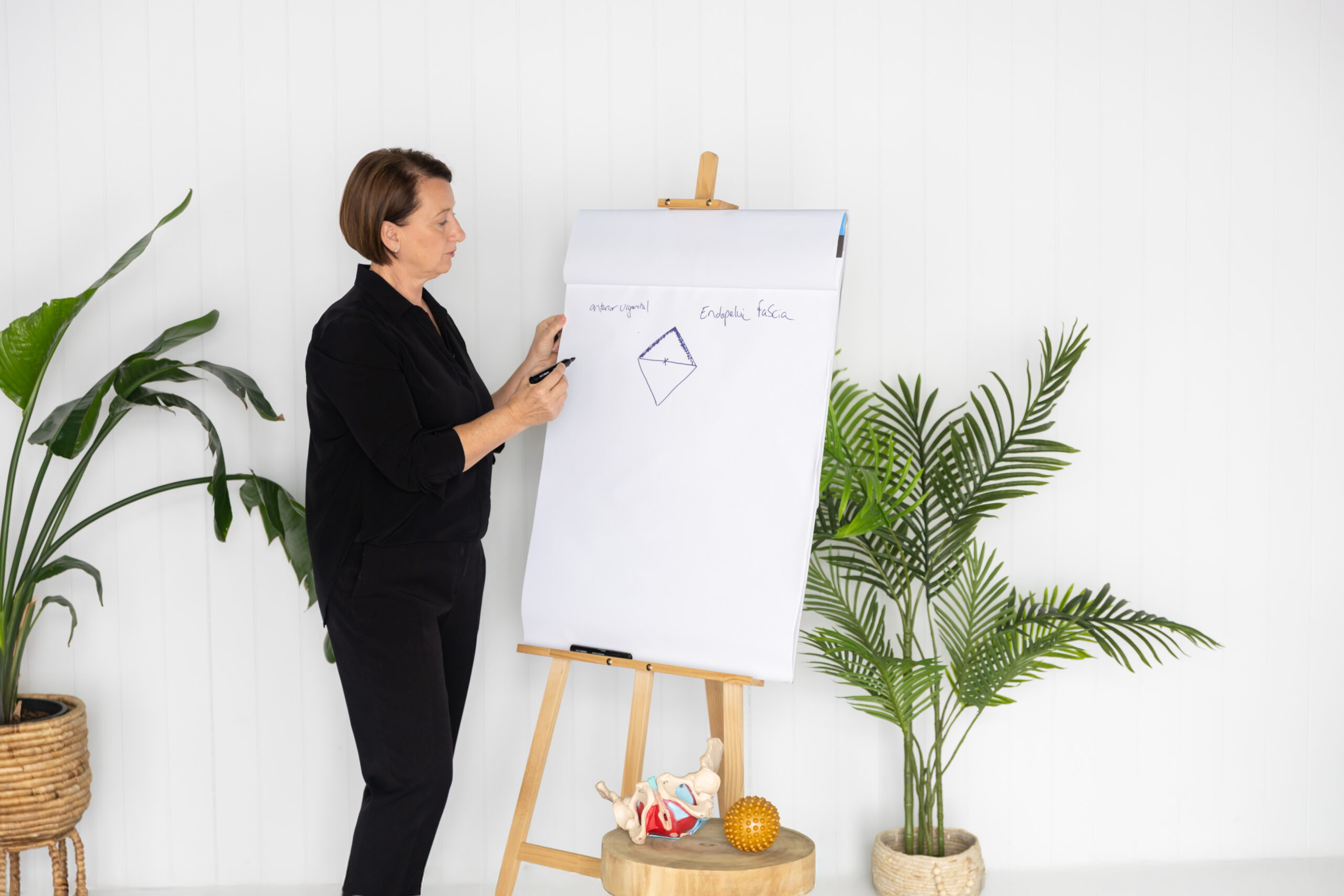
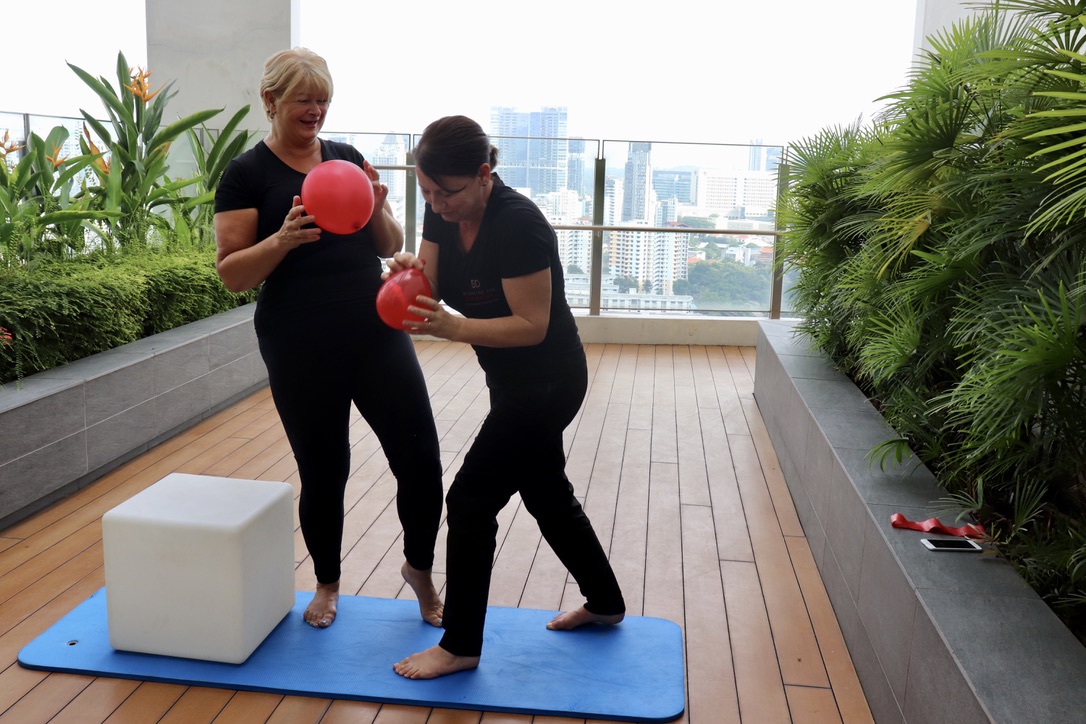
When we developed the concept of balancing the diaphragms in Arizona, it came from an accumulation of both of our passions and our teaching experience — but also from seeing the remarkable anatomy of the pelvis and its many connections.
The pelvis cannot be looked at or treated in isolation.
How does Balancing the Diaphragms take a global view of the pelvic diaphragm rather than isolating it?
Julie:
BTD looks at the whole person — the structural and functional relationships of the body along with the emotional piece that goes along with pain and dysfunction.
It’s about giving support to the body. Supporting the pelvis from the ground up and unweighting the upper body to reduce compression.
It’s asking why. Why is the pelvic diaphragm overworking or underworking?
What happens if I ease tension in the pelvic diaphragm — does it have the support it needs first?
Often it is under tension for a good reason. The question becomes: how can I help it?
What’s been most exciting for you about drawing different modalities together in that space?
Julie:
Every time I teach I learn about myself and the body.
I love hearing different points of view and sharing information with other health professionals. We all have our strengths.
I don’t want to be mediocre at everything. I would rather be really good at what I do and collaborate with others who have their own strengths.
I don’t believe one person can do it all.
What changes when practitioners stop working in silos?
Julie:
Shared knowledge, active collaboration, creativity, aligned goals, allowing a holistic approach to healthcare — and most importantly better results for clients.
The book: a milestone moment
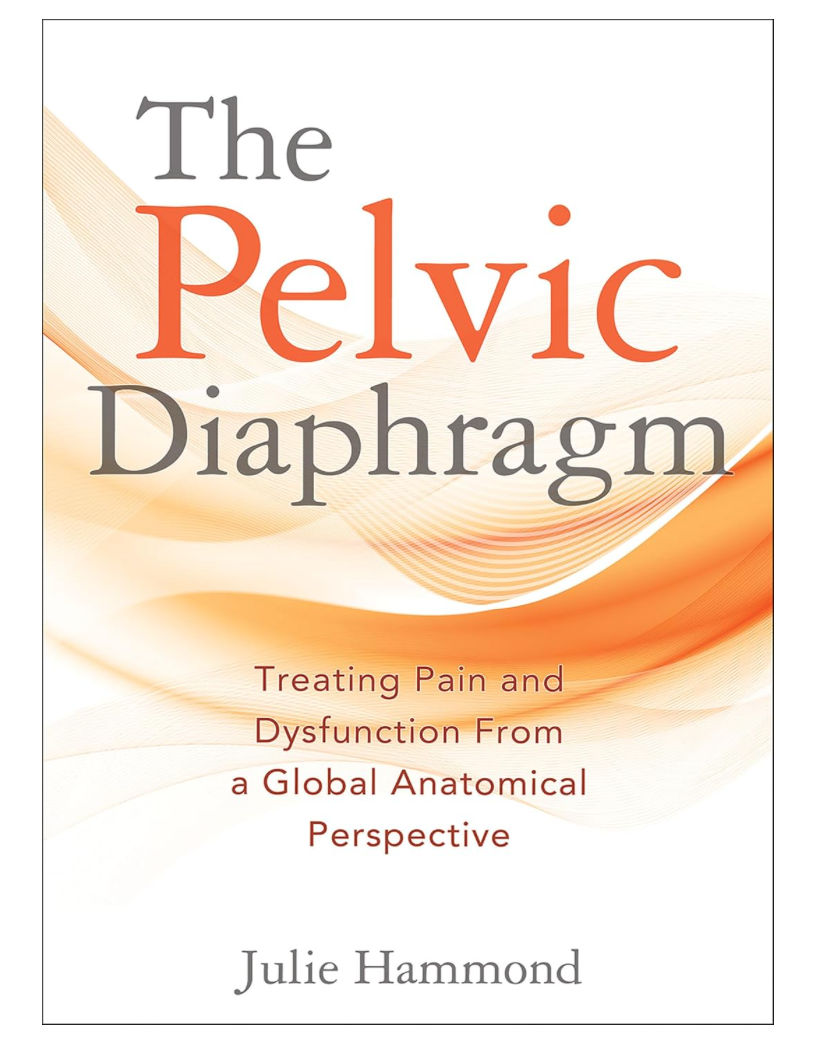
Julie has recently published her book The Pelvic Diaphragm, drawing together decades of clinical practice, teaching, and anatomical exploration.
The book is available through:
• Human Kinetics
• Anatomy Trains
• Amazon
You can also explore Julie’s work and upcoming workshops on her website:
https://juliehammond.com.au
You’ve just finished your degree and published your first book — what did it take to get that over the line?
Julie:
Honestly it has been a tough couple of years and I don’t recommend anybody writing a book while finishing their university degree and running a business.
It took the support of many friends and family who encouraged me when I was tired and losing my creativity and passion.
I had support from all over, including other authors who gave me great encouragement. An email from Jill Miller as I was nearing the end of the project — but struggling to complete it — was the drive I needed to finish the book.
Fi, you were there on the end of the phone whenever I needed you, so thank you.
What made you feel this book needed to exist now?
Julie:
I felt it was time to get my thoughts out and not be afraid to use my voice.
The book was a labour of love — an accumulation of my clinical practice and teaching experience.
I see many groups of health professionals arguing about which modality is better, and the truth is none. We are all needed.
I love anatomy and when teaching, students are often scared of anatomy.
It’s just words. The more you use them, the more they become part of your vocabulary.
I want everybody to understand and get excited about this anatomy.
Who is the book for — and who might be surprised to find it accessible?
Julie:
The book is for health professionals but really anybody with an interest and love of the human body.
I am a manual therapist so it has a manual focus, but I feel many different health professionals will be able to use the information.
It gives a different lens to view pelvic pain and dysfunction.
Once you put these glasses on, I don’t think you can take them off.
A gentle dip inside the pages
What can readers expect — conceptually and practically?
Julie:
The book is split into understanding the why, then explaining fascial layers before delving into pelvic anatomy.
It uses experientials to understand the anatomy so the reader can have a felt sense of the area.
I then use a global lens to look at the structural and functional connections into the pelvis.
The book highlights my love of fascial origami.
It includes manual techniques, self-release homework for clients, and a chapter on traditional Pilates methods for treating pelvic pain and dysfunction through a global lens.
Is there a section you feel particularly proud of?
Julie:
Chapter 8 on the jaw is my favourite.
I went away for a week and just wrote while staring at beautiful Busselton Jetty from my room. It allowed me to write without stopping and starting due to my busy schedule.
When I write my next book I will definitely just go away and write.
The clinic as a grounding force
How does staying in clinic influence the way you teach?
Julie:
Clinic is like coming home to me.
It grounds me and reminds me why I do what I do.
Clinic informs my teaching and my teaching informs my clinical practice.
I honestly don’t think you can teach well unless you are still doing what you teach.
What do you notice in clinic that can’t be learned from books alone?
Julie:
Everybody is unique and there is not one size fits all.
You have to constantly adapt to suit the client’s needs, energy, tissue and emotional wellbeing on any given day.
It’s not just about the techniques — it’s about how you support the client, creating a safe space. The words you use are just as important.
Teaching, travel and the 2026 workshops
You’ll be running workshops around the world in 2026 to support the book — what can people expect?
Julie:
Hopefully fun!
I want people to enjoy learning heavy anatomy.
I am an interactive presenter and enjoy great conversations. I adapt my classes depending on the questions and discussions.
People will leave with information that can be translated into clinical practice immediately.
Being a woman in business
What have you learned about being a woman in leadership without burning yourself out?
Julie:
It is tough juggling all facets of life.
You have to ask for help. You cannot do it all.
Surround yourself with good people who support you and want you to do well.
Be who you are, don’t lose sight of your values and accept that not everybody will like you.
That’s ok.
The fun bit
We are serious anatomy geeks — but we also laugh a lot.
What role does humour play in your work?
Julie:
I have so many memories of travel and laughter with you and other teachers that became good friends.
I found my tribe.
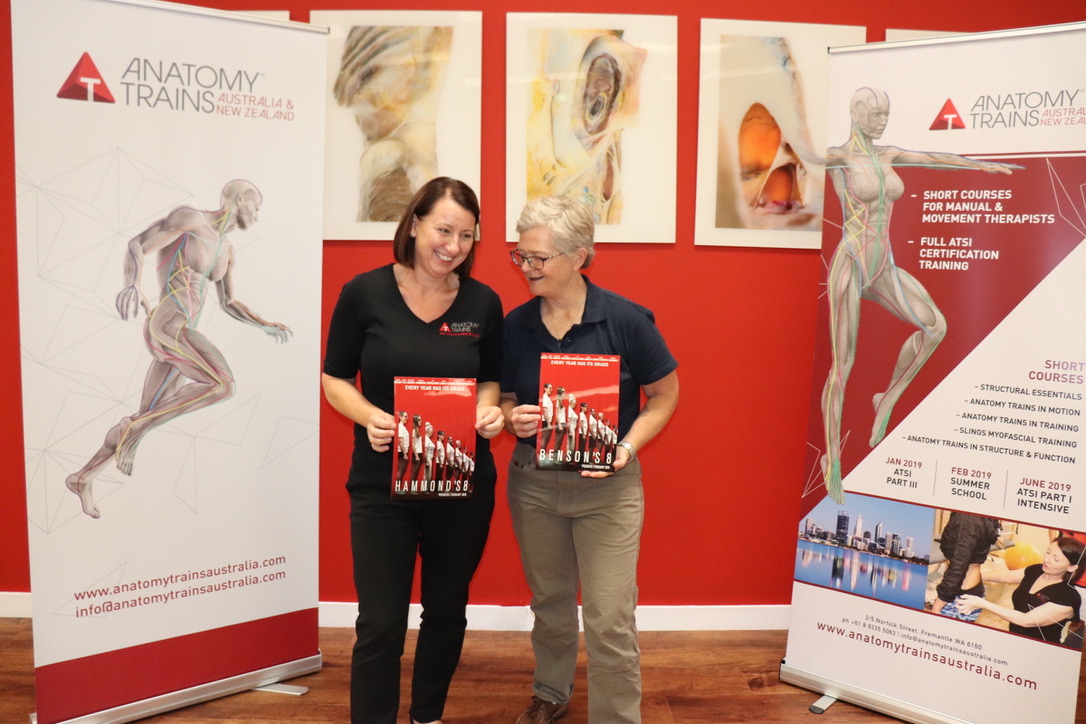
When I taught with Lou Benson we spent most of our teaching time laughing or geeking out on anatomy.
I also have great memories of travelling with you and the very talented Wojtek Cackowski — we have laughed together in many countries.
One thing people might not expect about you?
Julie:
I am an introvert who hates talking in public and constantly has imposter syndrome.
But I’ve learned that imposter syndrome isn’t always a bad thing — it keeps you learning and honest.
I am also a Whovian. I love Doctor Who and sci-fi.
The final puzzle piece
If this conversation is one piece of the puzzle — what piece does it offer?
Julie:
I hope people realise that everybody has a voice and a piece to play in someone’s healing journey.
We can’t do everything — and that’s ok.
Just be really good at what you do.
And don’t be afraid to collaborate with other health professionals.
Where to find Julie’s work
Website:
https://juliehammond.com.au
Book:
The Pelvic Diaphragm available via Human Kinetics, Anatomy Trains and Amazon.
Julie will be teaching workshops across the USA, UK, Hong Kong, Norway and New Zealand in 2026.