
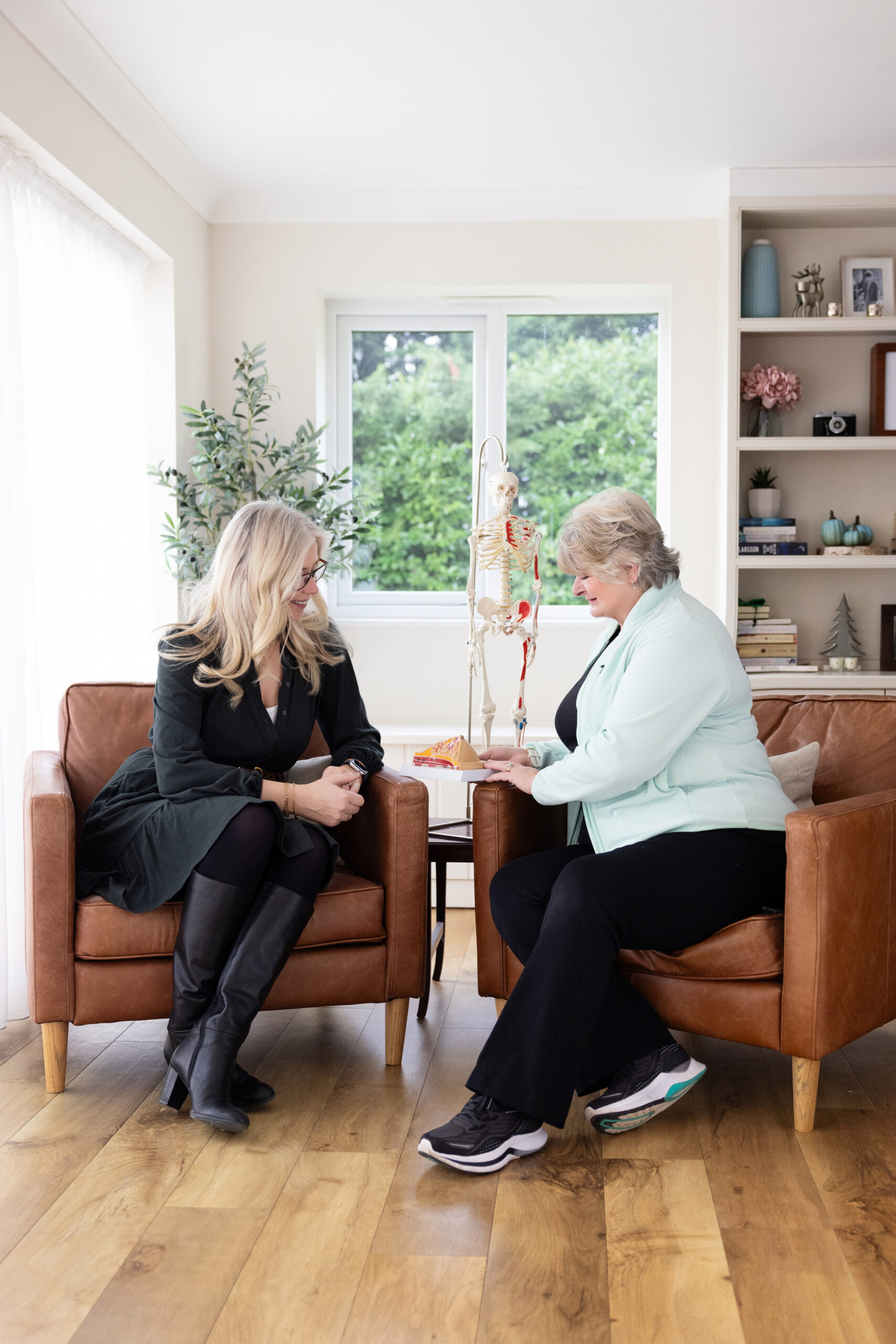
“The right massage can change everything – when it’s chosen with care.”
Massage has been used for thousands of years to ease pain, reduce stress, improve mobility and support healing – but not all massage is the same. From deep tissue to myofascial release, aromatherapy to oncology massage, each approach has its place, its purpose and its ideal client.
And with so many options available, it can feel overwhelming to know what to choose.
This guide helps you understand the different types of massage, who they suit, and ehy ‘deeper’ isn’t always better. `my hope is to help you make informed, confident choices – whether you’re seeking relief, relaxation, recovery or support during cancer treatment.
Why Massage Works: A Quick Overview
Research shows massage can support:
• Pain reduction (muscular, postural, post-surgical)
• Improved circulation and lymphatic flow
• Reduced stress and anxiety
• Better sleep
• Tension headaches
• Mobility and flexibility
• Post-exercise recovery
• Emotional wellbeing
Gentle touch also activates the Vagus nerve and the body’s rest-and-digest response – essential when recovering from illness, trauma, chronic stress or cancer treatment.
Massage is powerful… but only when it’s matched to your needs.
Different Types of Massage & Who They Suit
Below is a simple, honest guide to the most common styles.
1) Swedish/Relaxation Massage
Ideal for:
✔️ Stress, overwhelm
✔️ Anxiety
✔️ Sleep problems
✔️ Nervous system support
✔️Older adults or beginners (your first massage)
✔️ Anyone wanting a soothing, nurturing treatment
Benefits:
✔️ Relaxation
✔️ Calms the body’s stress response
✔️ Improves circulation
✔️ Helps the body reset
Gentle and flowing, Swedish massage is the foundation of most hands-on therapies
2) Deep Tissue Massage
Ideal for:
✔️ Chronic muscular tension
✔️ Athletes
✔️ Localised knots (with care and often specialised techniques used)
✔️ People used to firm pressure
Important Note: Deep tissue is not always the right choice.Meeting a tight, guarded body with heavy, forceful pressure often causes more guarding, not less. Your body may tense, protect and brace – the opposite of what you are seeking.
“Massage is a two-way conversation – your body speaks, and skilled hands listen and respond.”
Deep tissue is most effective when the underlying tissues are ready to receive pressure, not fighting it.
3) Sports Massage
Ideal for:
✔️Athletes or active people
✔️ Recovery after training
✔️ Injury prevention
✔️ Muscular maintenance
Uses firmer techniques, stretching and targeted work. Best for those who are comfortable with deeper pressure, and used as part of your fitness regime.
4) Aromatherapy Massage
Ideal for:
✔️ Stress
✔️ Hormonal balance
✔️ Menopause support
✔️ Emotional grounding
✔️ Those who love essential oils
Uses gentle massage with oils. Not suitable for people undergoing certain cancer treatments unless with an oncology-trained therapist.
5) Myofascial Release
Ideal for:
✔️ Tightness or restrictions
✔️ Postural issues
✔️ Fascial adhesions
✔️ Chronic pain
✔️ Trauma patterns
✔️ Anyone wanting slow, deep, non-forcefil work
Myofascial releases uses slow, sustained pressure to melt into connective tissue (fascia). It is highly effective but rarely feels “deep” in the traditional sense – it works with the nervous system, not against it.
6) Structural Integration
Ideal for:
✔️ Postural imbalance
✔️ Chronic tension
✔️ Compensations even many years after a surgery or injury
✔️ Long-term movement limitations
✔️ People wanting structural change, not just relaxation
This work reorganises fascia, helps the body move more effciently, and supports whole-body alignment. It is most oten offered as a series of sessions (3, 10, 12).
7) Cupping Therapy
Ideal for:
✔️ Muscle tension
✔️ Reduced mobility
✔️ Local congestion
✔️ Fascial restrictions
Cupping lits tissues rather than compressing it. Not suitable for fragile skin, radiotherapy sites, lymphoedema, or some cancer survivors – unless with a specialised therapist.
8) Oncology/Modified Massage
Ideal for:
✔️ People undergoing cancer treatment
✔️ Survivors
✔️ Older adults or those with chronic conditions
✔️ Those with lymph node removal
✔️ Post-surgical clients
✔️ Fatigue, neuropathy, anxiety
Oncology massage is safe, adaptive and gentle. Pressure, positioning and duration are adjusted to meet the needs of someone whose body has been through treatment physically and emotionally.
It is NOT simply “light pressure.”
It is a highly trained, specialist approach.
Choosing the Right Pressure: Why “Harder” Isn’t Always Better
Many people ask for deep pressure because they believe it will “break up knots.”
But in reality:
• A tight muscles is often a guarding muscle
• Too much pressure triggers a protective response
• The body tenses, holds its breath and braces
• Release becomes impossible
Gentle, slow, responsive touch often creates more change than forceful, fast pressure.
This is especially true for:
• Older adults
• People with chronic tension
• Cancer survivors
• People holding trauma
• Those with neuropathy or fatigue
Your body softens when it feels safe – not when it feels overpowered.
Finding the Right Therapist: Training, Qualifications & Experience
Not all massage qualifications are equal. Here’s what to look for:
1. Base Qulaification (minimum level)
• ITEC/VTCT are well recognised
• Level 3 Massage Therapy (UK)
• Level 3/4 Complementary Therapies
• Sports Massage Level 3-5
2. Specialist Training
. • Oncology massage
• MLD
• Scar therapy
• Myofascial Release
• Structural Integration
• Reflexology (Level 3-5)
• Contiued professional development in things additional modalities being offered
3. Experience Level
A therapist with 10-30 years’ hands-on work brings a depth that can’t be achieved in short weekend courses.
4. Adaptability
Your therapist should ask:
• Your medical history
• Medications
• Energy levels
• Surgeries
• Symptoms
• Preferences
This allows a treatment to be tailored safely to your needs.
Supporting Both the Client and the Carer
Cancer affects the whole family – not just the person diagnosed.
Many of my clients bring partners, carers or loved ones who are exhausted, overwhelmed or burnt out.
Offering:
🫶 Oncology massage for the client
🫶 Therapeutic relaxation massage for the carer
… creates a powerful shared healing experience.
Two different treatments – one safe, specialist space.
🏡 Home Visits available (additional cost)
When Massage Should Be Modified or Avoided
. • Active infection
• Fever
• Recent DVT
• Lympheodema (specialised treatment required)
• Certain stages of cancer treatment without oncology- trained support and medical clearance
• Fragile, radiated skin
• New open wounds
• Some cardiac conditions
Always seek a therapist with the right training for complex medical needs.
… In Summary: Your Body Deserves the Right Kind of Care
Massage is not “one size fits all.” Your body changes daily – and your treatment should adapt with it.
The right touch, the right pressure, and the right therapist can help you move with ease, breathe more deeply, and feel more like yourself again.
If you are unsure which treatment is right for you, we can decide together based on your history, goals, symptoms and comfort levels.